
have been used on tombstones for centuries. But it was not until the mid-1800’s that this secret code
caught on with the ‘common folk’ who could finally afford to decorate their graves with
statues and carvings.
 |
| Painting by James Tissot |
of ornate designs, and this carried on to their gravestones. Stone carvers of the period
created works of art. Rural
cemeteries became the poor person’s art gallery, offering carvings, statues,
and buildings of spectacular craftsmanship.

Victorians were enamored with flowers, which were known to have their own
language. Give a woman a red rose
and that signified love, a yellow rose indicated friendship, and a white rose meant innocence or secrecy. It is no wonder they carried this
silent language on to the grave.
 Roses
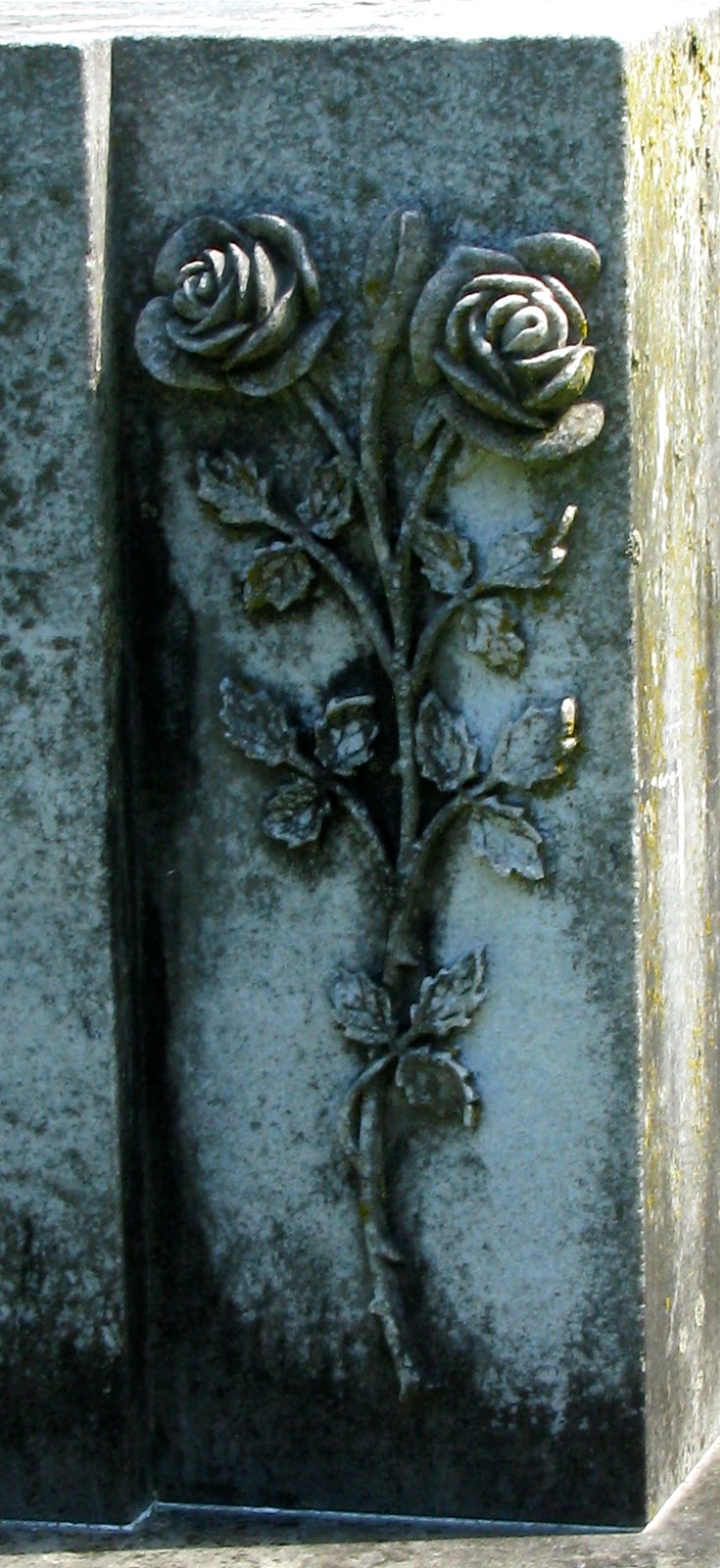
Roseson a tombstone can have several meanings, depending on the number shown and if the
rose is in bud or bloom. A rose
symbolizes love, hope and beauty.
roses joined together signified a strong bond, as on this couple’s stone.
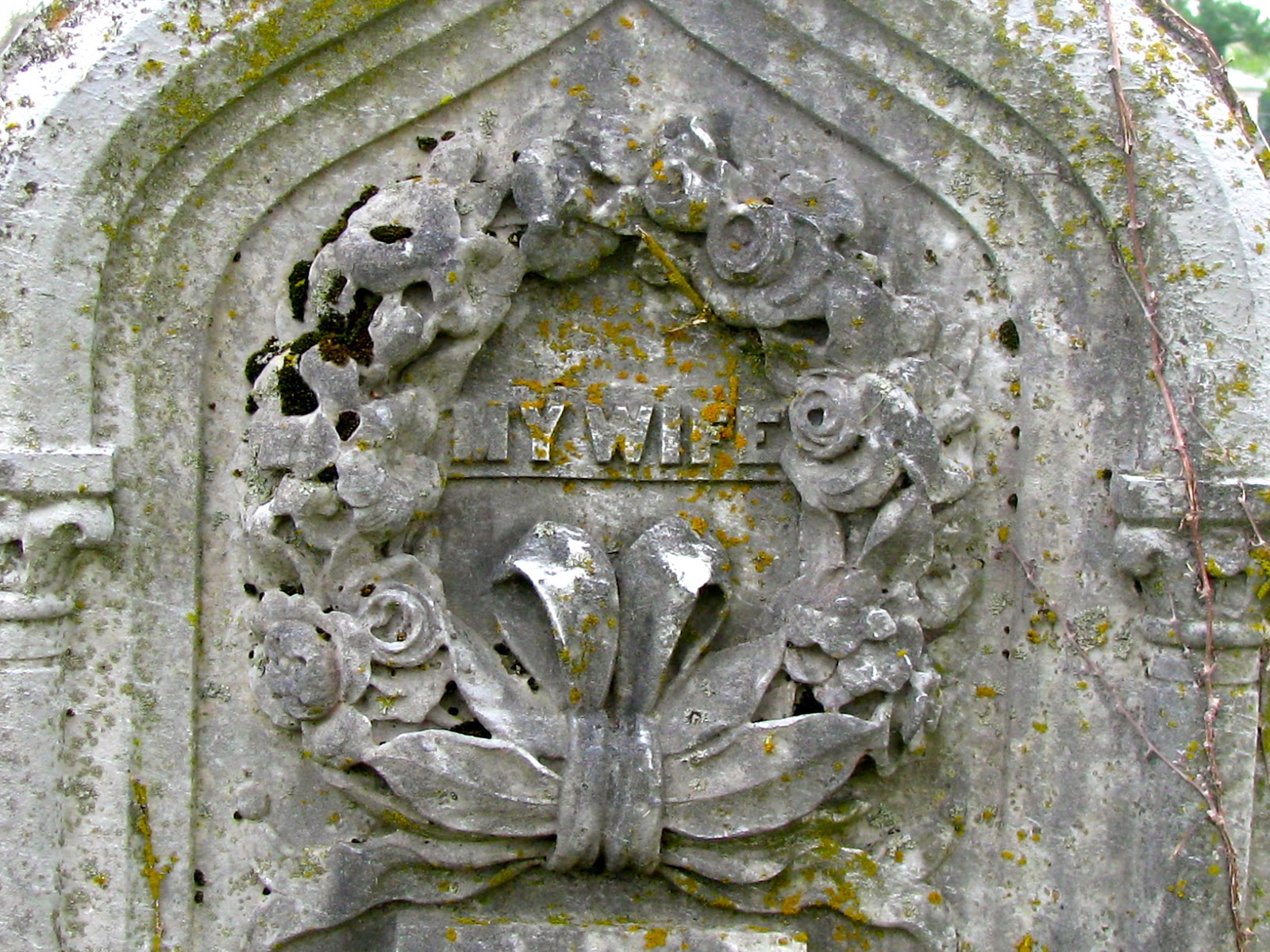 A
A
wreath of roses stands for beauty and virtue.
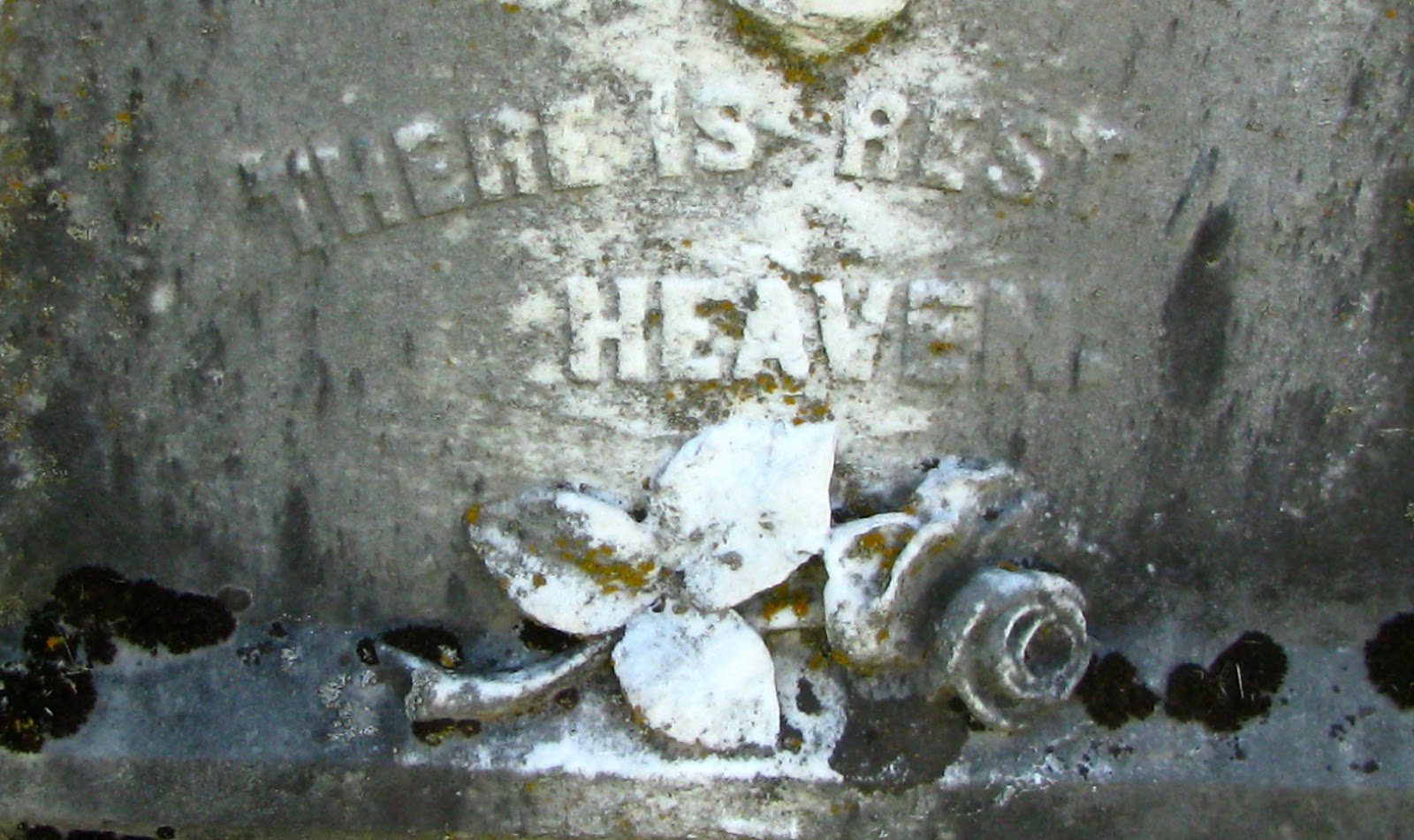
Age could also be noted with a rose bud indicating the grave of a child.
A partial bloom was used to show someone who had died in his or her teen
or early adult life.
And a full bloom signified someone in the prime of life.
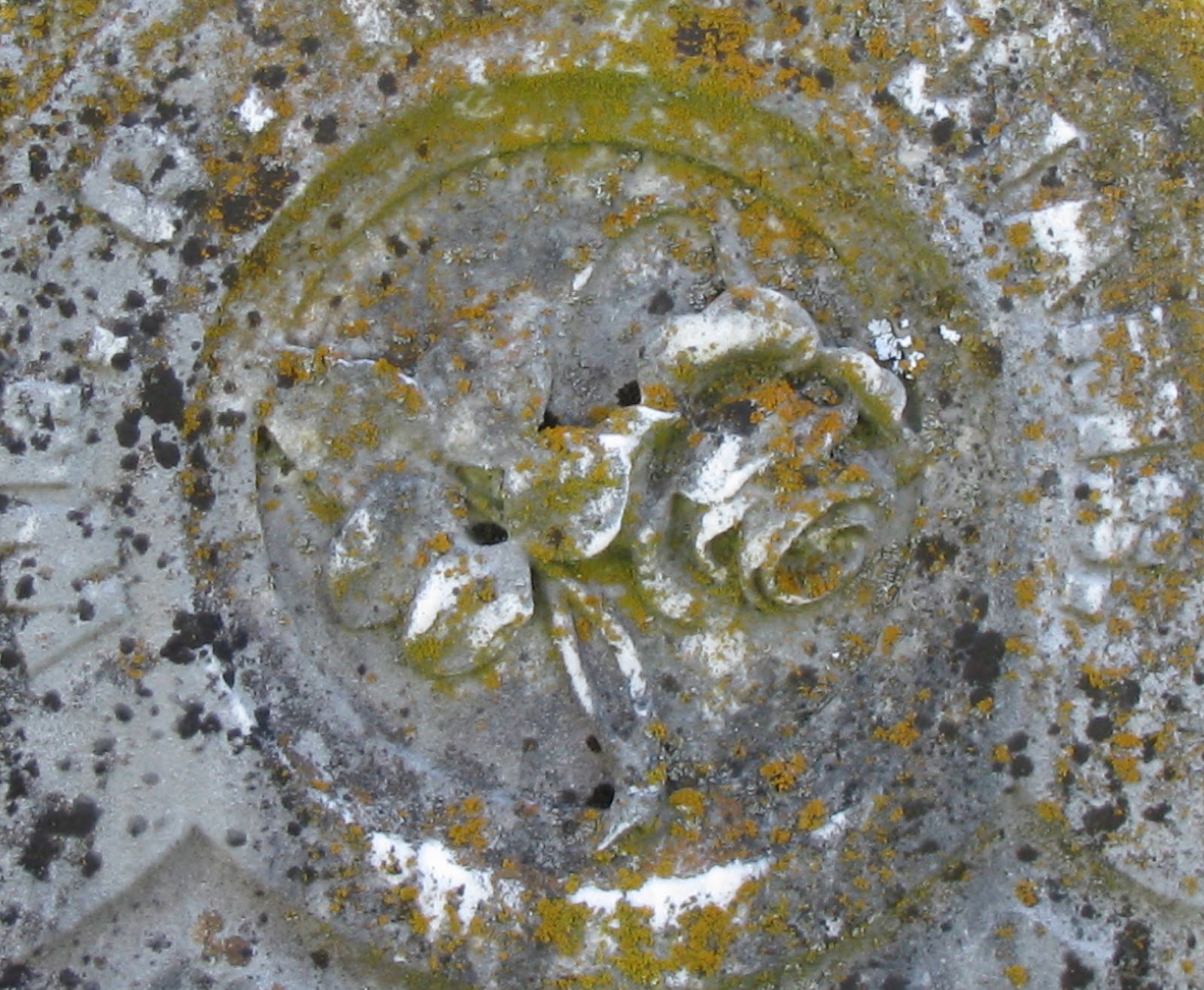
A
broken blossom, whether a rose or another flower, indicated that someone had
died too young.

Another
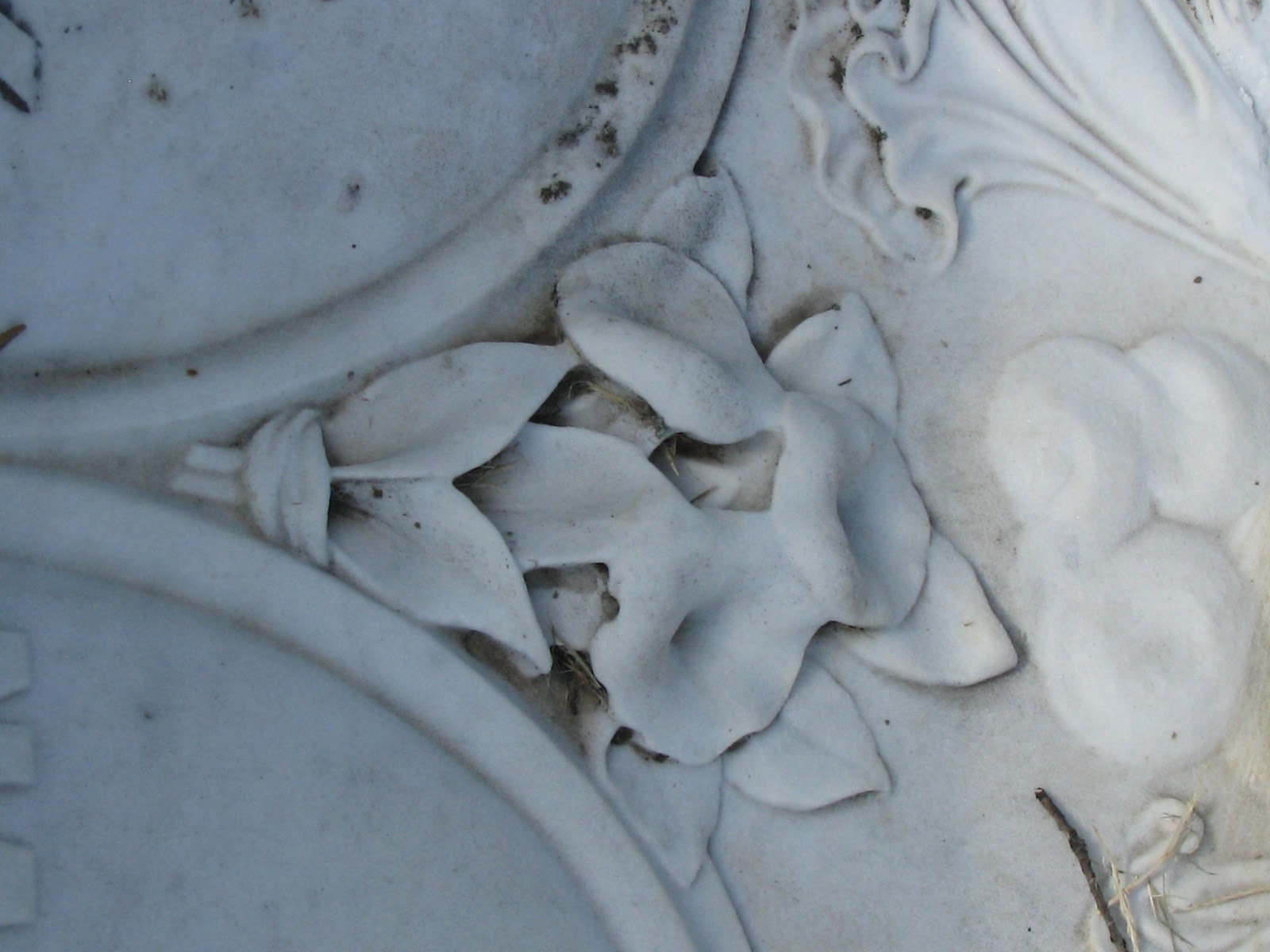
flower that is abundant in the cemetery is the lily, which stands for innocence
and purity. There are several
various types of lilies used on gravestones, each with a slightly different
meaning.
most popular is the Easter Lily, which represents resurrection and the
innocence of the soul being restored at death.
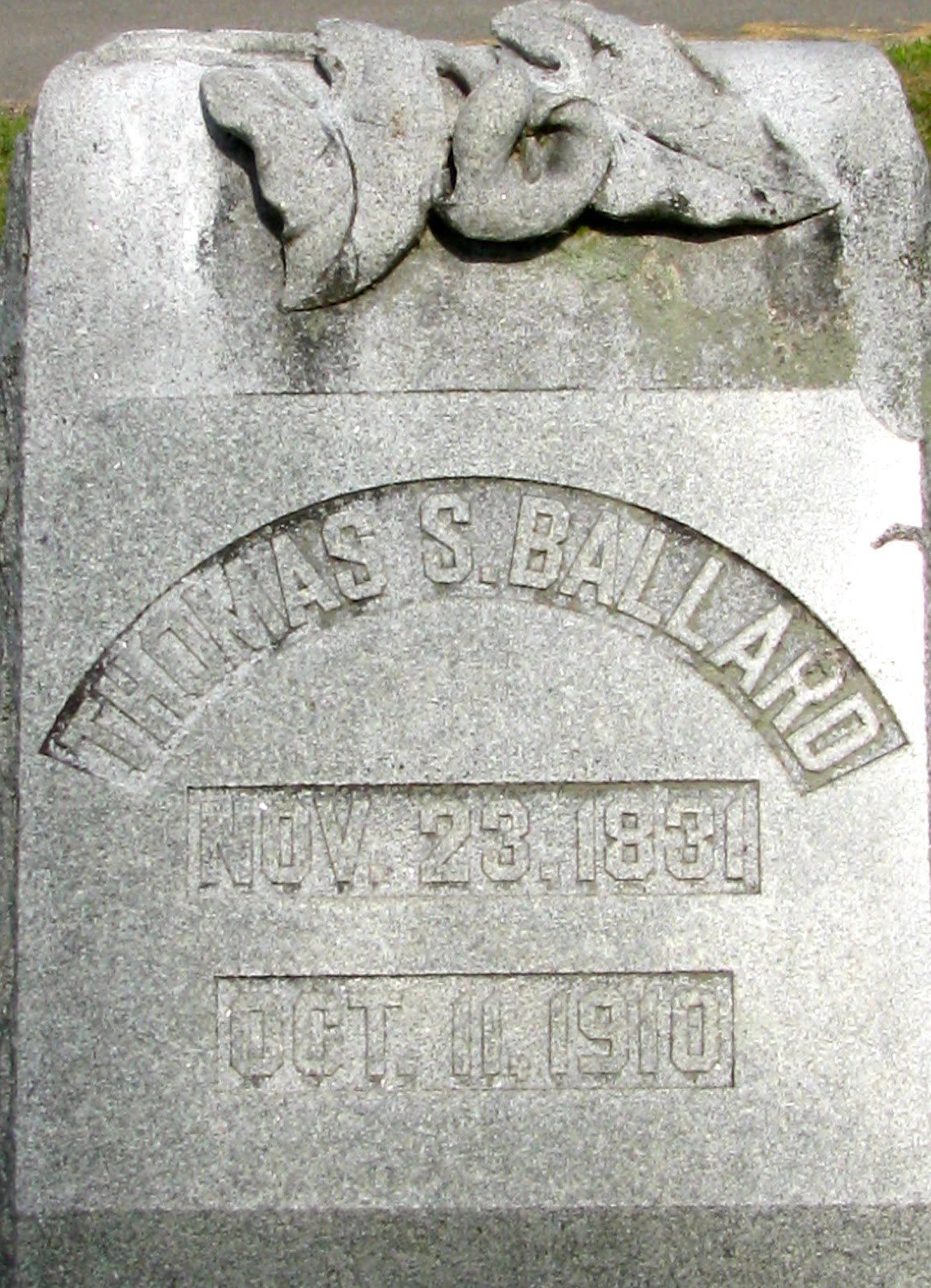
Calla
Lilies represent marriage and fidelity.
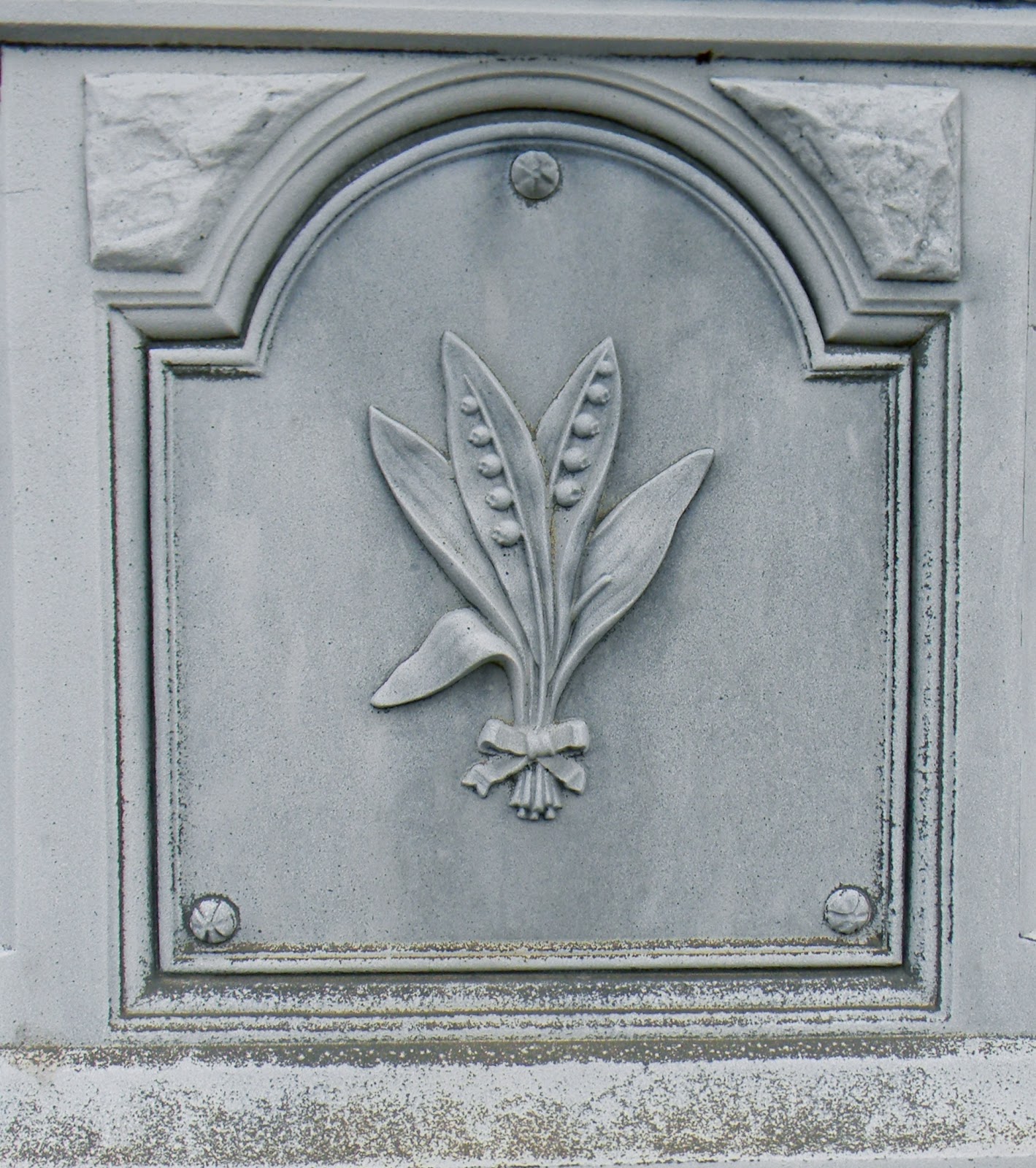
A
Lily of the Valley signifies innocence, humility and renewal.
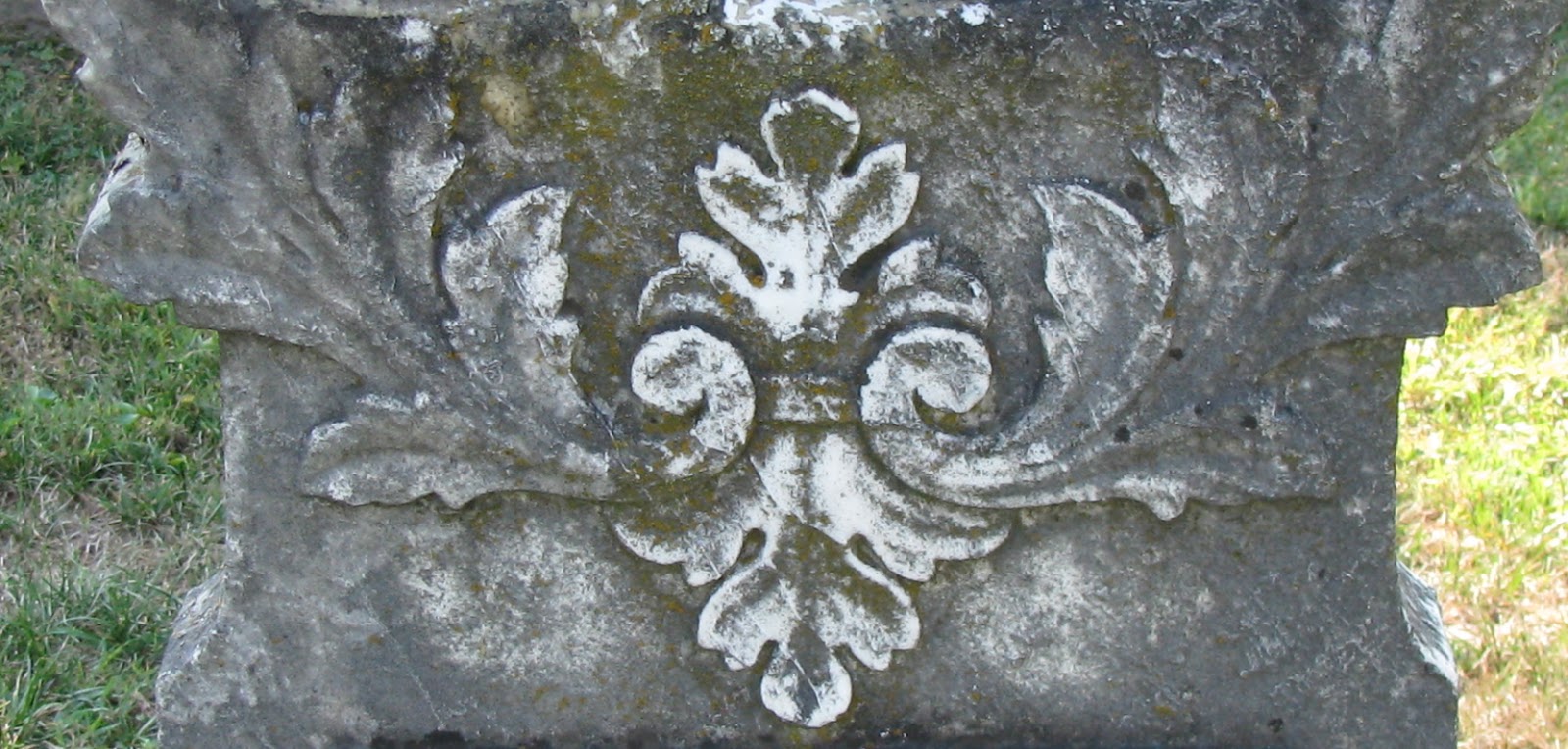
The
Fleur de Lis is actually a stylized lily that represents the Holy Trinity.
 And
And
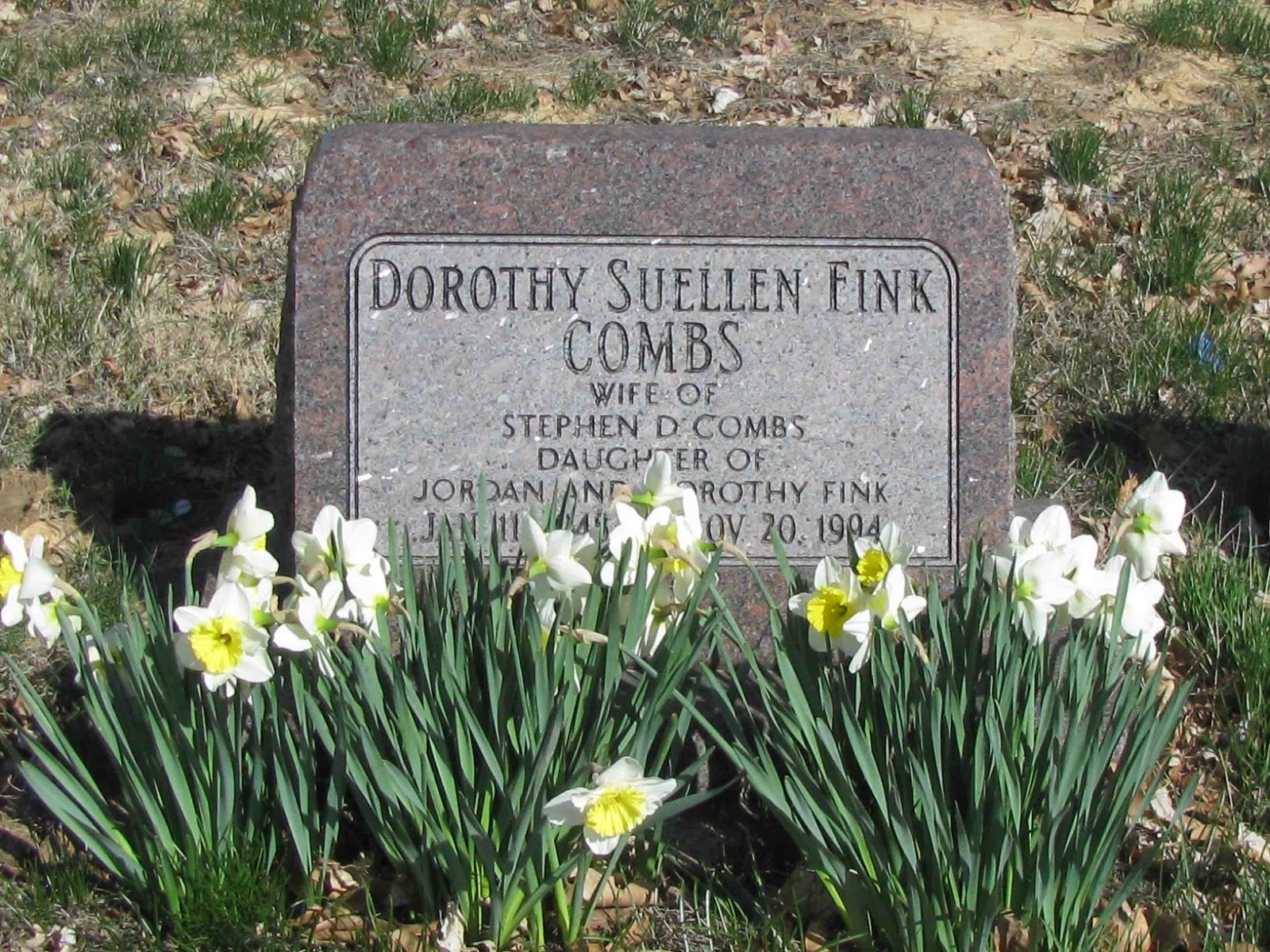
the Daffodil, also part of the lily family, indicated grace, beauty and a deep
regard. You’ll notice that live daffodils
are abundant in older cemeteries during the spring.
Other
flowers used on gravestones include the daisy, which means gentleness and
innocence. And
the morning glory, which suggesting mourning, mortality and farewell.
 Greenery
is also used to convey unspoken thoughts.
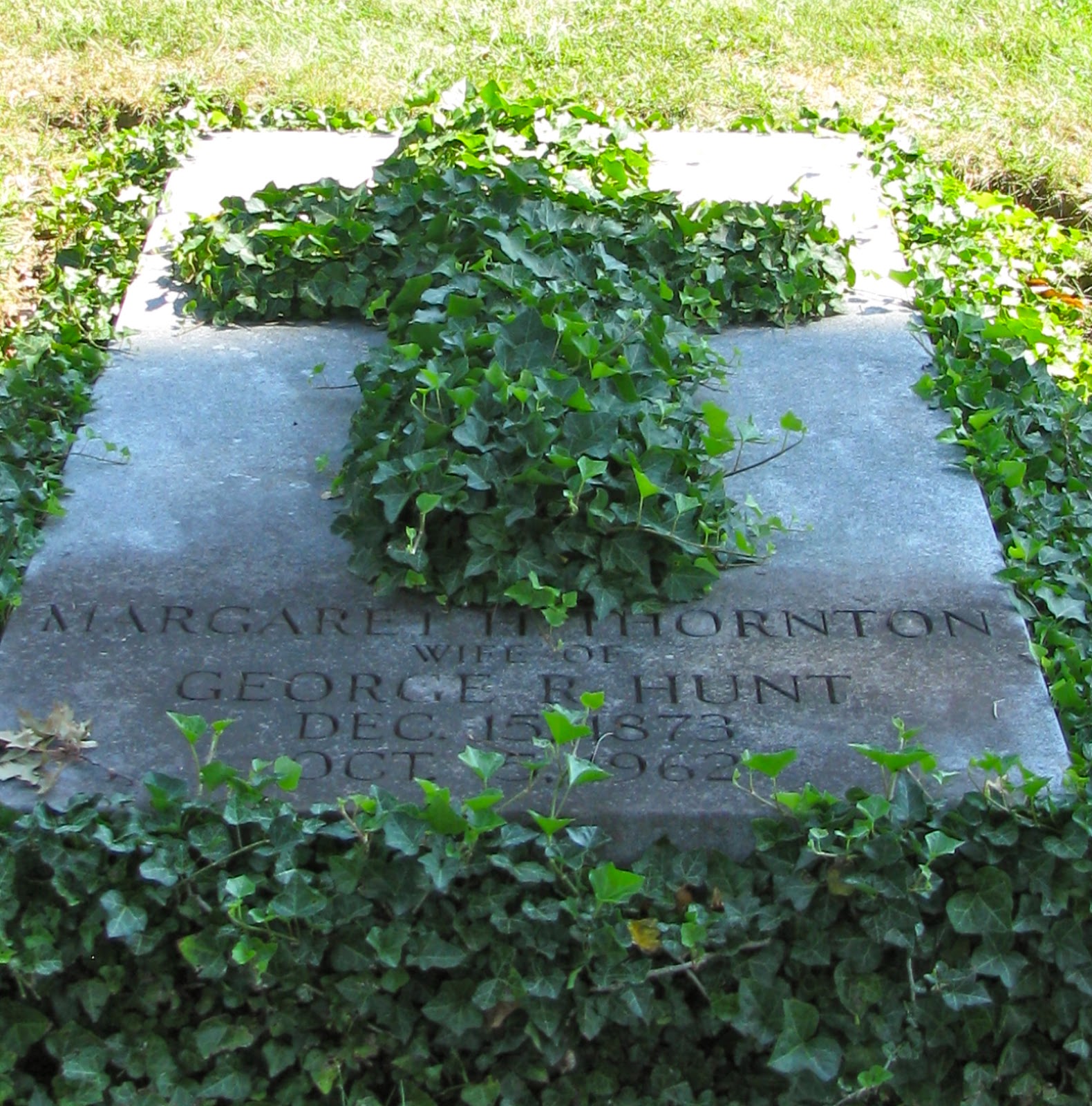
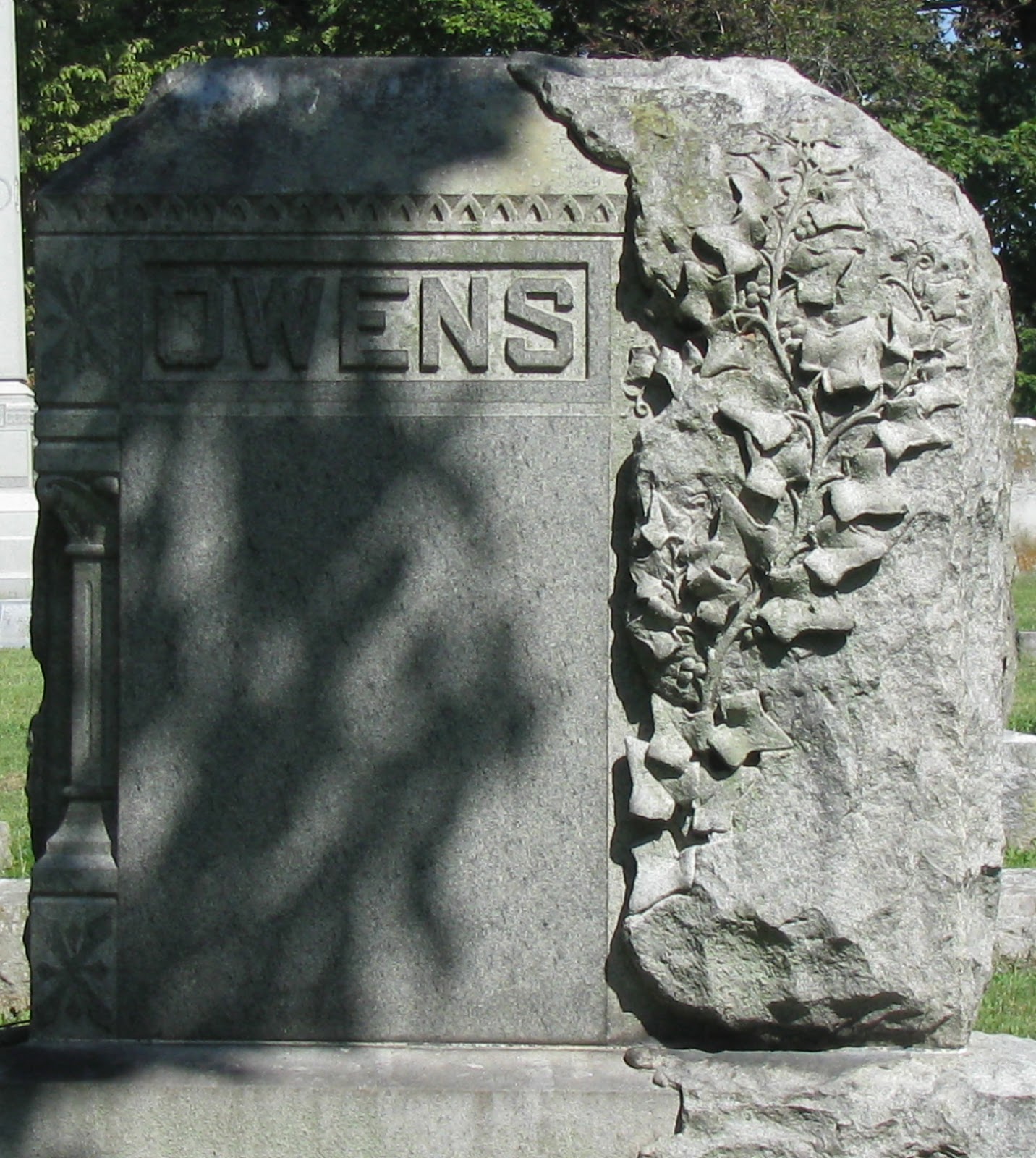
Many stones are covered in Ivy to imply faithfulness, undying affection
and eternal life.
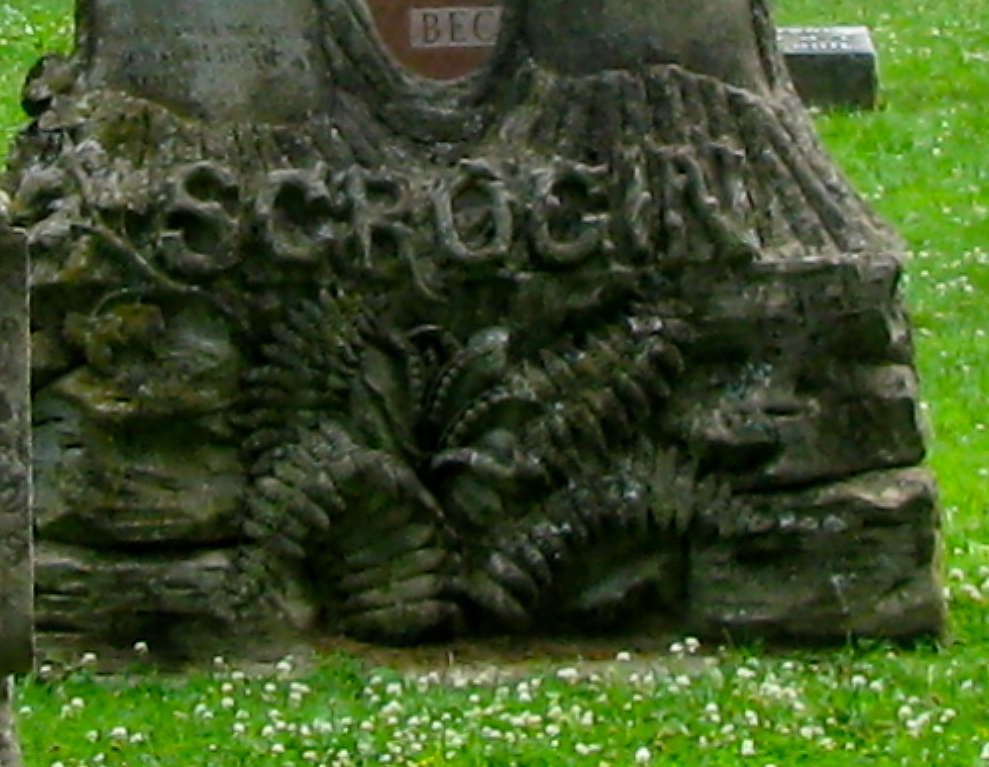
The
fern was very popular in Victorian times as an indicator of sincerity and
solitude.
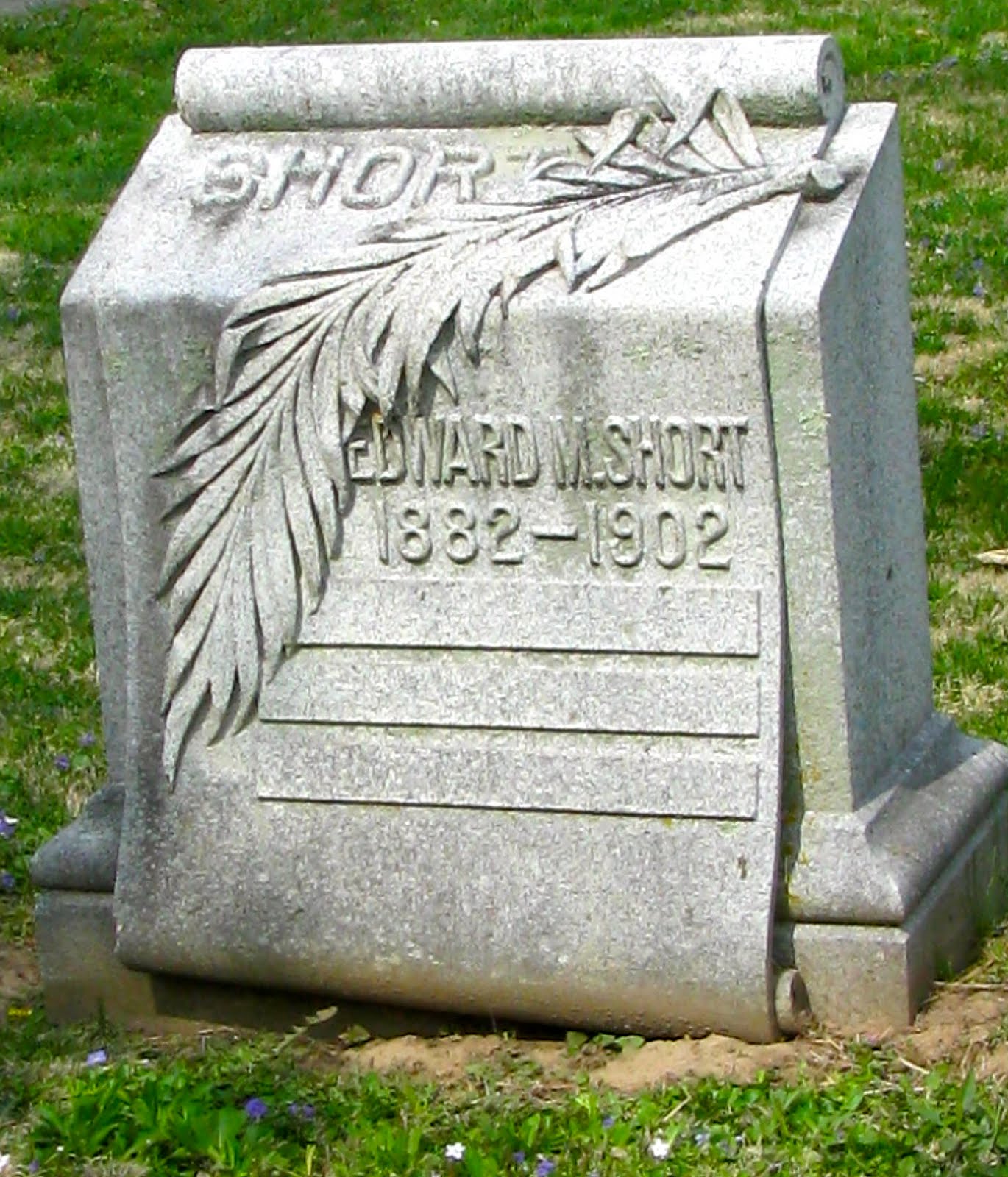
And
the palm, another plant associated with Easter, signified triumph over death, and a forthcoming resurrection.

Wander
any cemetery and you will discover a secret language communicated through
symbols. All it takes is the
interest to learn what each generation wished to imply with their symbols, and
the time to let them speak to you, offering interesting insights into someone’s
life and time.
the weekend; take some time to listen to this silent language.
Joy
(This
is one of the topics I speak on for Genealogical and Historical societies. If your group is interested in a presentation, please
contact me here or on Facebook at http://www.facebook.com/pages/A-Grave-Interest/123365667736789)