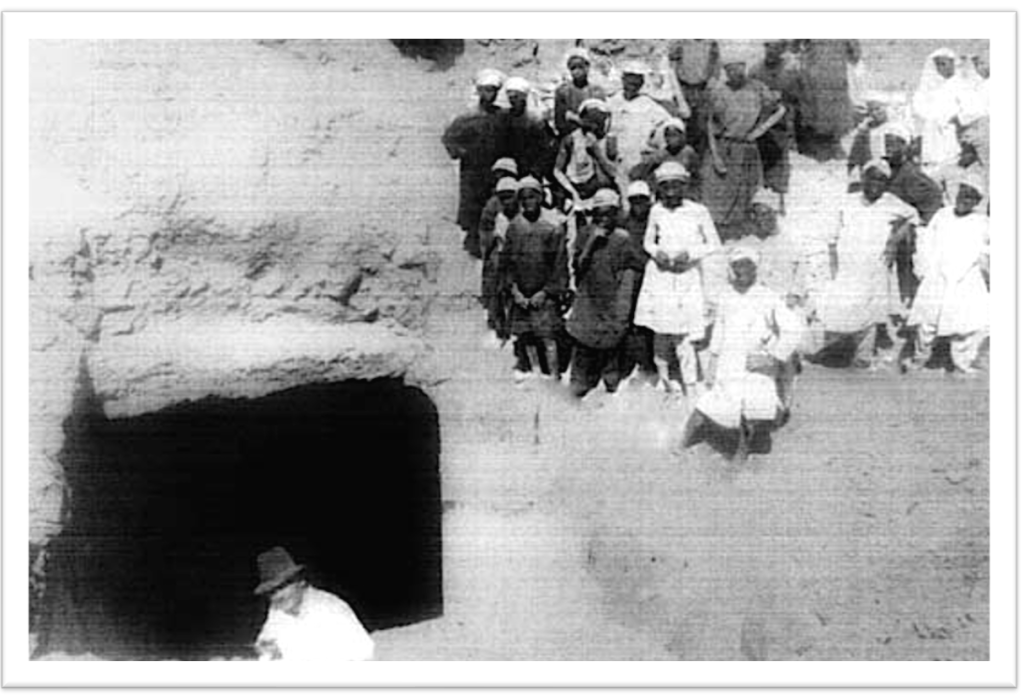
Tomb robbing dates back thousands of years, when jewels, treasures, gold, and cultural symbols of power and wealth were buried with the deceased, as occurred in ancient Egypt. Today, these brazen grave thefts continue as bronze emblems and vases are pried loose and removed from cemetery stones. Sometimes, even the stones themselves are taken.
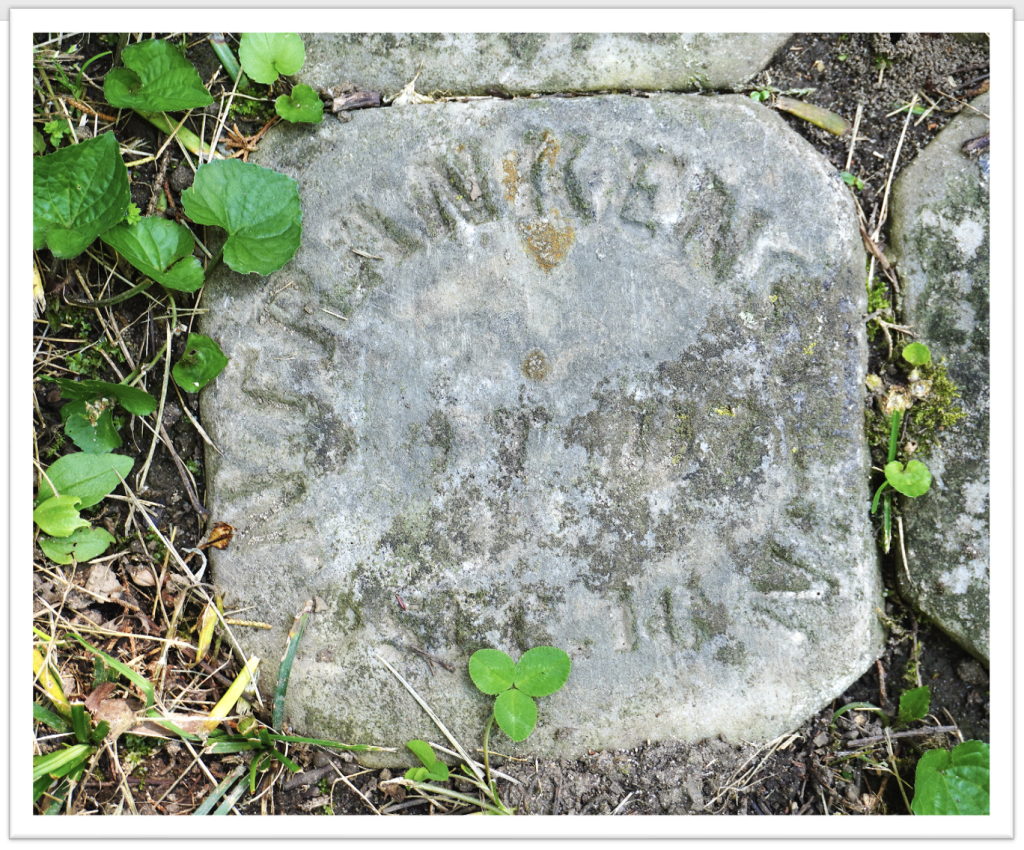
As an example, the *Godfrey Frankenstein family plot in Spring Grove Cemetery in Cincinnati, Ohio, no longer retains any family markers. Godfrey was the first president of the Cincinnati Academy of Fine Arts, who died in February 1873. Due to the morbid popularity of his name, thieves have cleared the lot of any stones or markers. It is now a barren plot.

During the eighteenth and nineteenth centuries, grave robbing was a lucrative, albeit distasteful, business. The reason was usually to procure fresh bodies for medical studies at local universities, which netted the “resurrectionists” a hefty price since few people wished to do such work. But even in the twenty-first century, stealing from graves is still practiced, only it is not bodies being taken, but cemetery stones and items, and without the guise of any altruistic-seeming motive.
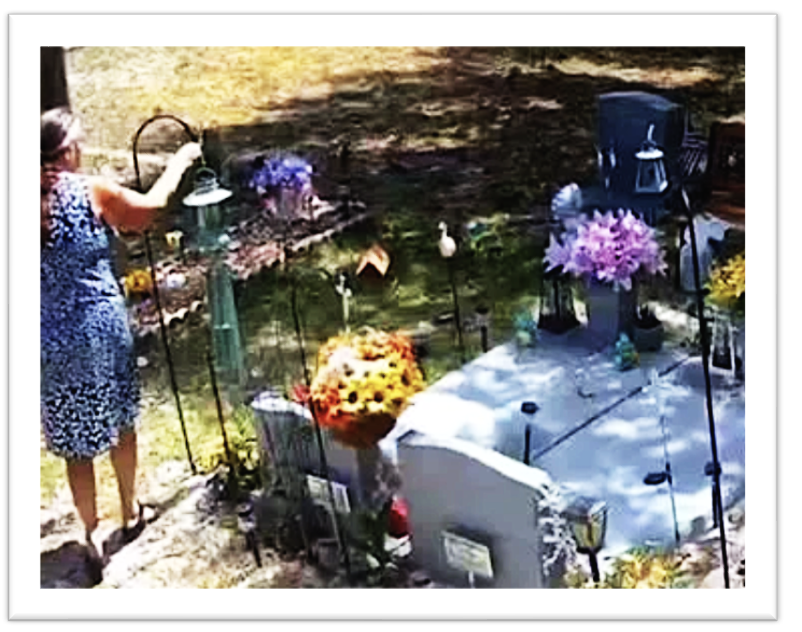
There are far too many newspaper articles about people who have been arrested for stealing from the dead. Reasons given for such thefts vary, from collecting morbid trophies to stealing something to resell for financial gain to acts of contempt against a person’s religion or culture to the fact that they “just wanted it.” Thieves today will also steal the deceased’s identity for fraudulent purposes.
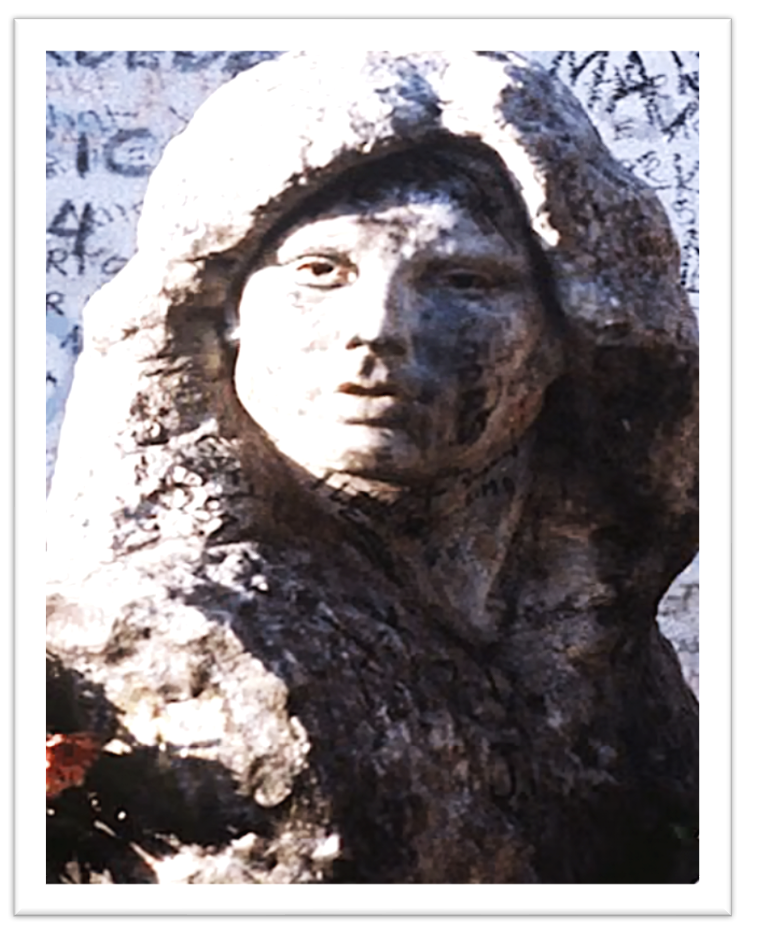
Even famous graves are desecrated. The grave sculpture of rock star Jim Morrison was stolen from his grave in Paris in 1988. It was thirty-seven years before the sculpture, which was considered a piece of historical rock memorabilia, was returned in 2025. The thieves were never identified.
One of the most taken cemetery pieces involves bronze emblems. Most scrap metal dealers adhere to the law and require proof of ownership and a valid ID before they will consider buying any cemetery items. But some do not.

These shady scrap metal dealers will pay cash for a profitable item, especially bronze. The dealer will melt the bronze into ingots to be resold and repurposed into something new. Legit dealers usually cooperate with local police to assist in stopping such sales.

U.S. government stones, including those for the military, are considered private property, as are grave markers in a private cemetery. These markers belong to the plot owner and their heirs. If there are no next of kin then ownership belongs to the cemetery association. In a public cemetery, the grave markers are also personal property, belonging to the plot owner and their legal heirs.
What To Do If You Find a Cemetery Item
If you see a cemetery item, a vase, emblem, marker, or other grave article in a retail store or flea market for sale, do not purchase it. Instead, take a photo of it where it is, include the address of its location, and notify the local police or sheriff. It is their job to discover if the item is legally held. Your job is only to pass the information along.

You can also contact local and state historical societies, apprising them of the discovery, or notify the State Historic Preservation Officer. These groups will have networks that can locate where the item was taken from and work to return it to the rightful owner.
If you have followed the correct procedure and have seen no movement or follow-up after a reasonable time, contact your local media: television, newspaper, or radio station. There are journalists who will work to get the word out and make this theft known in the community, and state-wide.
Punishment for Grave Theft

In most states, the unauthorized sale, possession, and disposal of these items is illegal. The punishment for stealing cemetery items varies by state, but possessing and/or attempting to sell the item is viewed as a high-level misdemeanor or felony charge punishable by large fines and imprisonment. It may also be considered a desecration of a burial site.
A Grave Tip:
To learn more, check the internet to discover what the laws are that protect cemeteries and their contents in your state.
As taphophiles, we should all be concerned with thefts occurring in our cemeteries and take every reasonable step to help prevent these contemptable acts.
Joy
* For more on the Frankenstein Family plot and Spring Grove Cemetery and Arboretum, make a note to check out my next book, Spring Grove Cemetery: A Step Back in Time to be released this spring.
Also, make a note to visit A Grave Interest blog post on https://agraveinterest.com/ and click on Blogs. A Grave Interest podcast will take a deeper look into stealing from graves, including Body Snatching, next month.