
Last
week, we looked at the various costs associated with dying in the United
States. All told, death is a $12
to $15-billion industry in this country. According to the 2010 Funeral Price
Survey by the National Funeral Directors Association (NFDA) http://www.nfda.org/, Americans spent, on
average, $7,775.00 for a traditional adult funeral. (This
does NOT include the burial plot and cemetery expenses.)
 But
But
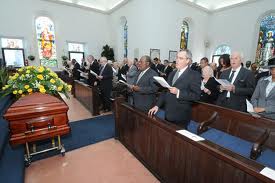
not everyone wants a funeral that includes embalming, a viewing, a religious
ceremony, and a graveside service.
Not to mention a state-of-the-art casket with burial vault, obituary
notices, flowers, music, prayer cards, memorial cards, acknowledgement cards,
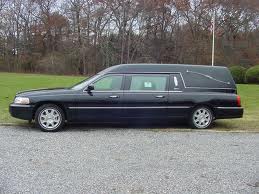
hearse, and limousine for transportation to the cemetery for the
interment. National trends show
that we are moving away from these traditional religious funerals. For those seeking less pomp and
circumstance, there are options.
Cremation
is the alternative that more people are deciding on. In 1985, only 15% of the deceased were cremated. According to the Cremation Association
of North America, (CANA) http://www.cremationassociation.org/
today, 36% of deceased are cremated.
And projections show that by 2025, almost 56% will be cremated. (The revenue on cremations alone has
increased almost 1-billion dollars in just five years.)
 |
| Cremation in the U.S. |
 The
The
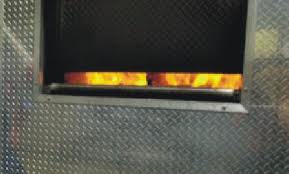
acceptance of cremation varies widely across the country as shown on this 2006
map. Western states favor
cremation more than other states, with almost 67% of Hawaiian residents, along
with 65% of residents in Oregon and Nevada opting for cremation. Southern states such as Alabama and
Mississippi only show 11% of those deceased being cremated. Studies indicate that the drastic
difference of acceptance for cremation in this country may be due to religion
and religious beliefs.
that in mind, cremation is growing in acceptance as our ties to tradition
diminish. According to the funeral
industry-sponsored 2006 Wirthlin Report, the top five reasons why a person
selects cremation are:
 •
•Cremation saves money (30%)
Cremation saves land (13%)
Cremation is simpler (8%)
The body is not in the earth (6%)
Personal Preference (6%)
to Ask
considering cremation, the Cremation Association of North America suggests you
ask the following questions before deciding on a funeral home or crematory:
they have their own crematory or do they work with a cremation firm?
If the
latter, which crematory do they use?
owns the crematory facility?
often do they inspect that facility?
licenses and permits current?
many operators do they have and what type of training
do they require?
Are they
CANA certified?
the crematory have refrigeration?
long does the crematory hold the body prior to cremation?
the crematory have liability insurance?
members?
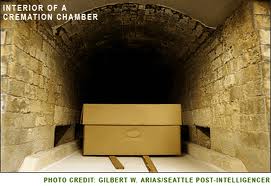 |
| Cremation Box |
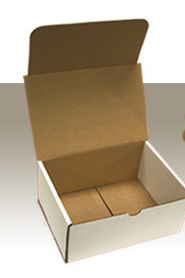 |
| Remains Box |
When
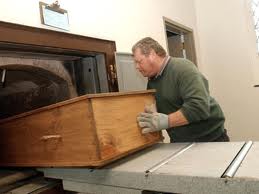
selecting cremation you do not have to purchase a casket. Check with your local funeral home
about renting a casket if you would like to hold a public viewing. If you decide on direct cremation,
(having the remains cremated immediately after death,) you can choose an
unfinished wooden coffin or a heavy cardboard enclosure for the cremation. You
are also not required to purchase an urn for the remains. You may keep them in
the box provided by the crematory.
is Cremation?
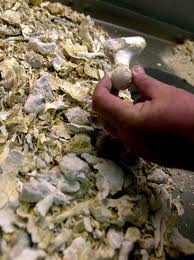 |
| Cremated Remains |
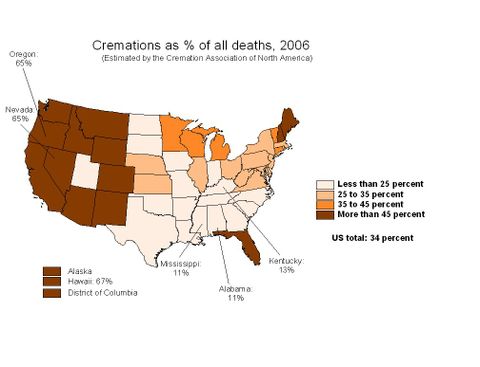
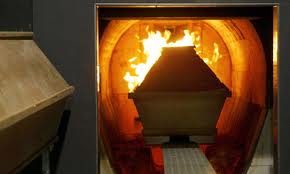
Cremation
is a process that reduces the body to ashes, known as cremains. But the cremains are more than just
ashes. They also contain bone
fragments that are pulverized and resemble gravel or broken seashells.
like a traditional funeral, will vary in cost depending on what you decide
on. Basic cremation can cost as little
as $300. Or it can run several
thousands if you decide on an Urn Committal Service, (similar to a traditional
funeral service with cremation.)
Options
 |
| Private Viewing |
You
may choose to hold a private family viewing, without embalming, before the
cremation. Embalming is never required for the first 24 after death. You also
have a set amount of time to arrange for the body to be cremated before
embalming may be required
according to your state law.
 |
| Memorial Service |
You
may decide on direct (immediate) cremation and then hold a memorial service for
the deceased at a later time when all of the family and friends can gather
together.
 |
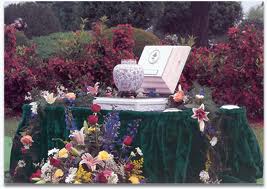
| Memorial Bench for Urns |
 |
| Urn Committal Service |
you could choose to have a more traditional ceremony, known as an Urn Committal
Service. The deceased is embalmed and casketed for a public viewing and a
funeral service is held before the cremation. You can also purchase a burial spot for the receptacle to be
buried in.
typical cremation with memorial service and urn can cost between $1,500 and
$2,000.
Remains
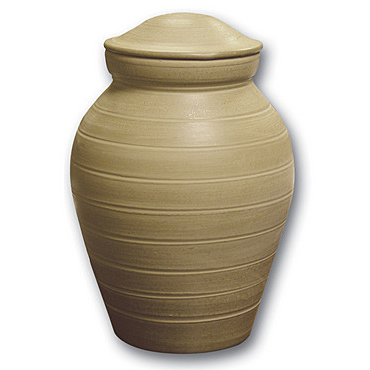 |
| Earthen Urn |
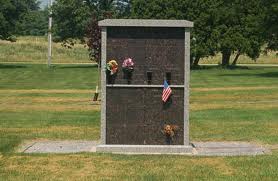 |
| Outside Columbarium |
Once
the body is cremated you may elect to keep the remains in a container at home,
place them in a columbarium, or have them buried.
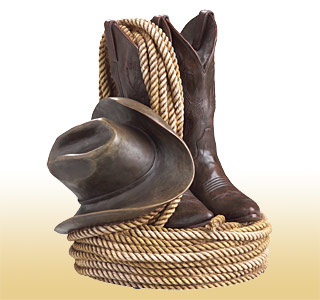 |
| Cowboy Urn |
 |
| Fingerprint Heart Jewelry |
Urns
and receptacles come in many options including biodegradable, hardwood,
granite, marble and metal. Urns
can be very simple or as unique as you would like. Jewelry is also offered which holds a small amount of ashes,
keeping your loved one close to you.
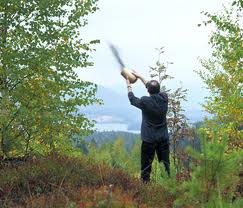 |
| Casting Ashes to the Wind |
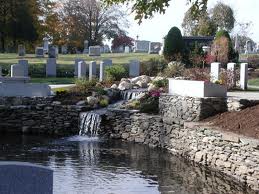 |
| Cremation Garden |
The
ashes may also be scattered or cast at a Cremation Garden or a location that was
special to the deceased. Just make
sure this is in compliance with the local health department’s regulations. It is legal in all states to scatter or
bury cremated remains on private property, as long as you have the landowner’s
permission. You may also consider
scattering ashes at sea.

The
most important thing to remember is that no amount of money can express how we
feel about those we have lost, so we owe it to them to handle their remains in the manner that they would have wanted – with love and respect for the life they
lived.
~ Joy