A Grave Interest: Searching for Clues in the Cemetery
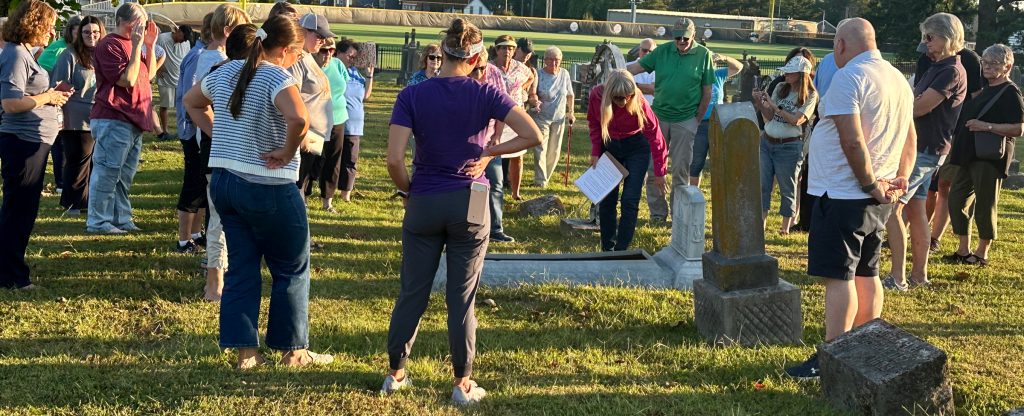
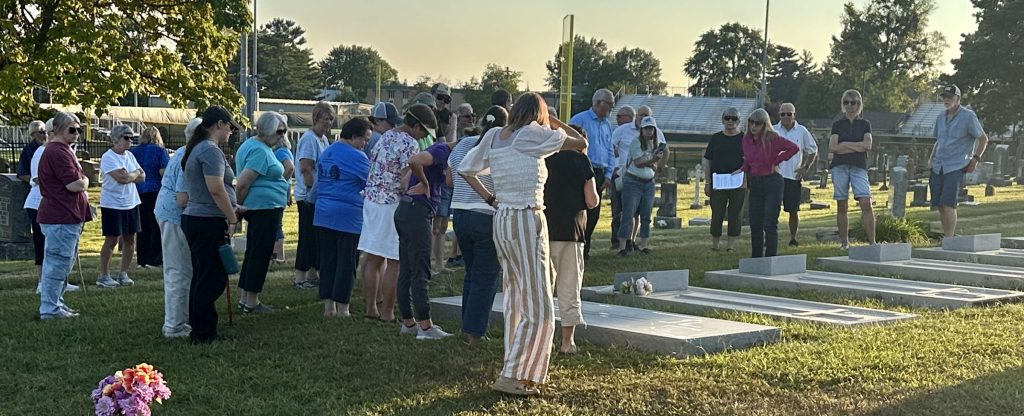
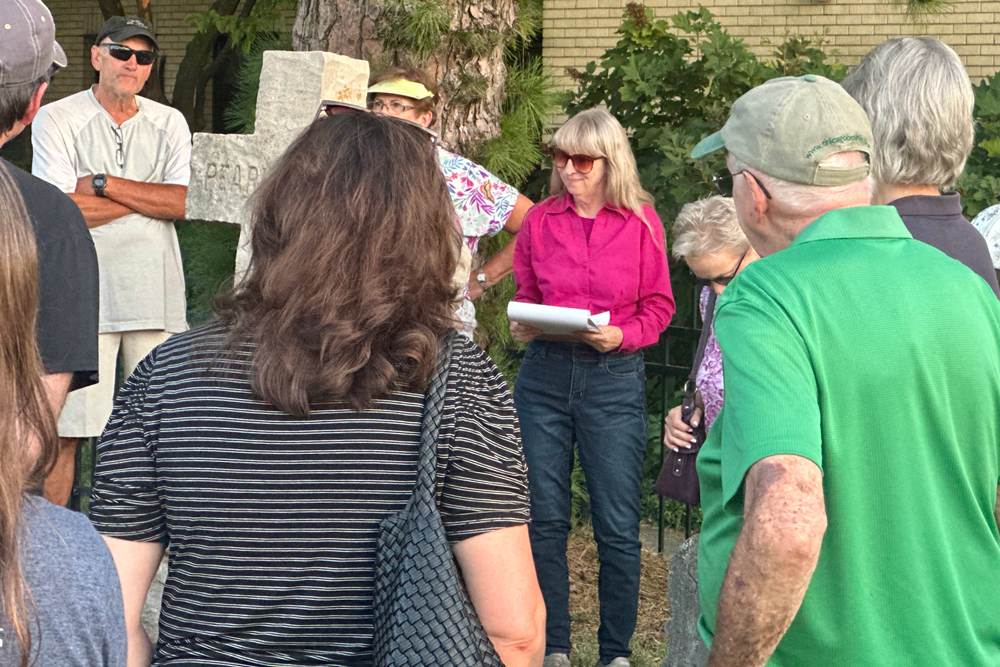
Cemeteries are treasure troves of genealogy records and can hold a wealth of information if you know where to dig. In this session, we’ll uncover secrets hidden in cemetery deeds, plat books, plot maps, and Sexton’s files. We’ll also learn the various types of graveyards that exist, who to contact for assistance, and how to put it all together in a meaningful way. Plus, we’ll explore “21 Crypt Clues,” designed to bring an ancestor’s story to life.
Christmas on the Frontier
In the early days of America, Christmas was far from the festive holiday we know today. Following the founding of the country, the Christmas celebration was often debated. For many frontier families, Christmas began as a modest, religious observance and gradually evolved into traditional community gatherings.
In this session, we’ll explore how settlers transformed their cabins for the holiday celebration using natural materials and handmade decorations. We’ll uncover their annual traditions, like winter dances, church services, and Christmas caroling. We’ll also dive into the preparation of the long-anticipated Christmas feast, complete with authentic menus that reflect the ingenuity and resourcefulness of early American families.
Dead Distillers Tell Tales
Cave Hill Cemetery is the final resting place for nearly 20 distillers, with another 13 resting in Bardstown. Names that echo through history, like George Garvin Brown, Pappy Van Winkle, the Stitzel-Weller Brothers, Jim Beam, and Booker Noe, are just a few. In this session, we’ll uncover the stories these legendary figures left behind concerning their lives, their spirits, and their indelible mark on the Bourbon industry. From the rise of bourbon to the trials of Prohibition, we’ll trace their influence and explore who continues to shape and “haunt” the industry today.
Forgotten Records of Death
When we think of death records, burial registers, death certificates, and cemetery deeds often come to mind. But beyond these staples lie lesser-known documents that can unlock information about our ancestors final chapters, sometimes, their entire life stories. In this session, we’ll uncover ten forgotten death records that provide detailed information about the deceased, reveal unexpected connections, and open new doors for genealogical research. These forgotten records can not only illuminate how our ancestors died, but also how they lived.
Grave Superstitions: What Our Ancestors Believed
Superstitions are beliefs we hold without any truth or rational proof. These curious notions have woven themselves into matters of birth, love, life, and death. Passed down through generations as old wives’ tales, folklore, and whispered prophecies, these traditions once held powerful sway over our ancestors’ decisions and fears, foretelling, or foreshadowing coming events.
In this session, we’ll explore symbols that foretell death, rituals to protect the living, warnings from folklore, and what were seen as omens of death. Whether rooted in fear, reverence, or tradition, these superstitions offer a fascinating glimpse into how our ancestors made sense of the unknown, and how their beliefs still linger today.
Leave No Stone Unturned: Research in the Cemetery
Not all research can be done online; sometimes, you have to head out into the field, or in this case, the cemetery. In this session, we’ll learn to identify six types of graveyards, who to contact for assistance and access, how to determine what type of stone was used for the marker, and how to make sense of your findings. Discover what records to request, like burial registers, plot maps, and maintenance logs, and where to share your findings to help others on their genealogical journey.
Silent Language of the Stones
Symbols have appeared on tombstones for centuries, but during the mid-1800s, this cryptic language flourished. The Victorians loved a good secret, so they decorated their graves with carvings, symbols, and statues that quietly conveyed hints about family relationships, military service, professions, wealth, and social standing. In this session, we’ll uncover what some of these symbols and abbreviations mean, and how to read this “silent language of the stones.”
The Victorian Celebration of Death (A One-Woman Performance)
During the Victorian Era, mourning customs and funeral rituals had very rigid rules. Grief had gained social status, and families were judged by how well they “did death.” Edwina, an Edwardian librarian, will take to the stage to guide us through life during the Victorian Age. Discover the customs, etiquette, and symbolism that shaped life and death during the 19th century. You will learn:
• The rigid rules of mourning attire, from jet jewelry to layers of black crepe.
• The expected etiquette for mourners including how long grief should be displayed and by whom.
• Why families spared no expense on funerals, even those who could not afford to do so, to present a “socially acceptable” funeral.
• What role superstition and rituals played in these mourning customs.
Edwina offers a fascinating glimpse into a time when death was not hidden but woven deeply into the fabric of everyday life.
Clash of Spirits: Women and the War Between Temperance and Whiskey
At the heart of the Whiskey War were the women of the temperance movement demanding an end to alcohol. These were not politicians or lawmen. They were mothers, wives, and daughters who believed that liquor was destroying the very fabric of family life.
Led by crusaders like Eliza Jane Thompson, these women organized what became known as the Women’s Temperance Crusade. They marched into saloons, knelt on sidewalks, and sang hymns outside tavern doors, quoting scripture, singing songs, and sparking sheer determination. These women defied social norms, turning personal grief into public action. Their actions sparked national attention, inspiring similar movements across the country, and laying the foundation for the Woman’s Christian Temperance Union, and eventually the passage of Prohibition.
The Whiskey War of 1875 was more than a clash over alcohol. It was a defining moment in women’s activism, proving that ordinary women, armed with conviction and community, could challenge entrenched power, and reshape public policy. These women proved they could challenge the status quo and change history.