 |
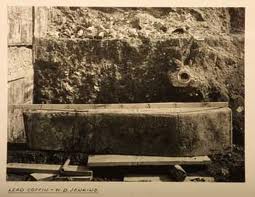
| Old Coffin |
The
word coffin comes from the Old French cofin and from the Latin cophinus, which translates into basket. The word was first
used in the English language in 1380.
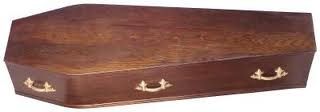
A coffin is defined as a box or chest for the display/burying of a
corpse. When used to transport the deceased, a coffin may also be referred to
as a pall.
 |
| Sarcophagus |
 |
| King Tut |
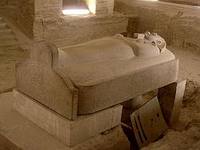
have been used since ancient Egypt when a body was mummified and placed in a
sarcophagus before being buried in pyramids. In Europe, around 700, the Celts began fashioning burial
boxes with flat stones. But the
majority of people throughout time have been buried wrapped in a shroud, or in
a wooden box.
 |
| Wooden Coffin |
 |
| Wooden Casket |
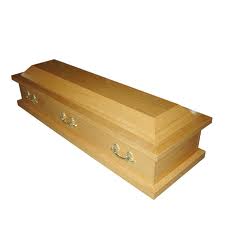
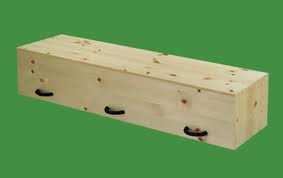
casket is defined as a fancy coffin by Merriam-Webster. The word casket is used mainly in North America; a casket has four
sides, a top and bottom, (rectangular shaped.) A coffin has six sides, with a
top and bottom, (hexagonal shaped.)
 |
| Casket |
 |
| Nathaniel Hawthorne |
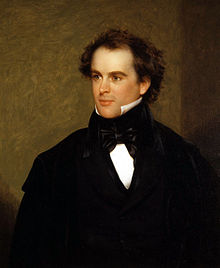
Nathaniel Hawthorne put it in 1863, “Caskets! A vile modern phrase, which
compels a person … to shrink … from the idea of being buried at all.”
 |
| Civil War Dead |
 |
| Casket Company |
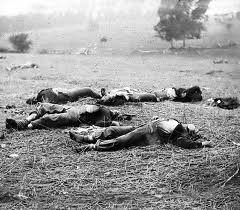
the Civil War, so many coffins were needed to transport the dead that the mass
production of coffins began and the casket industry developed by the late 19th century.
 |
| Iron Coffins |
 |
| Gold Casket |
have been made from wood, cast iron, steel, fiberglass, glass, bamboo, wicker,
wool, even gold. Ornamental trim could be carved from whalebone,
elephant ivory or precious metals.
 |
| Reusable Coffin |
 |
| Joseph II |
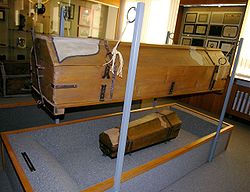
1784, Holy Roman Emperor Joseph II declared that reusable coffins were to be used
in order to save wood. The coffins
were equipped with a trap door on the bottom that would drop the body into the
hole and allow the coffin to be pulled back up and used for another funeral. Due to public outcry, the law was
cancelled within the first six months.
 |
| Cast Iron Coffin |
 |
| 1850 Cast Iron Coffin |
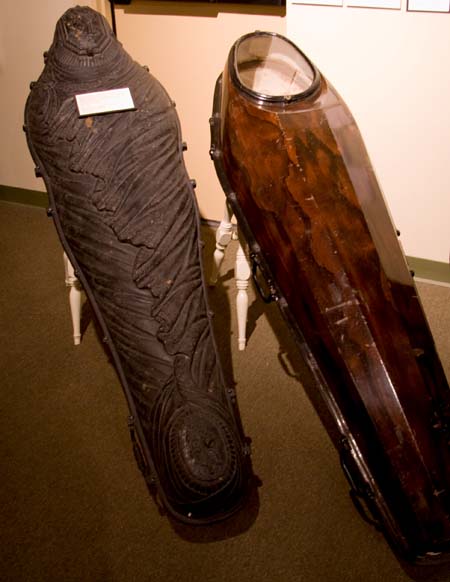
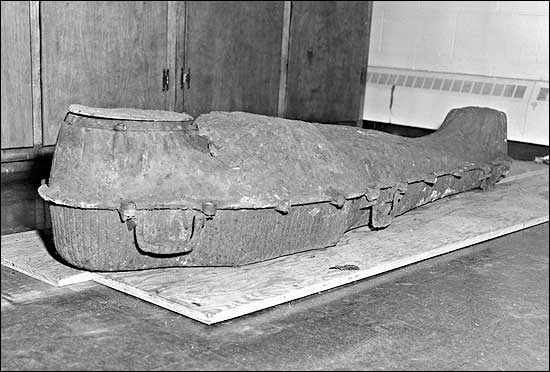
coffins were made from the 1850’s through the 1870’s. Almond Fisk patented the
first cast-iron casket in 1848. It
was shaped like a sarcophagus, weighed over 300 pounds, and cost up to $100.
Wooden coffins sold for $1 to $3.00, (around $40 to $60 today.) Unfortunately,
Fisk’s manufacturing building burned to the ground in 1849. Fisk died in 1850, penniless, having
mortgaged his patented rights to John G. Forbes in order to get loans to
continue building his metallic burial boxes. Forbes and his family restructured
the company, changed the name, and continued making the metallic burial cases
until 1888 when the company folded.
 |
| U.S. Grant |
 |
| Grant’s Iron Casket |
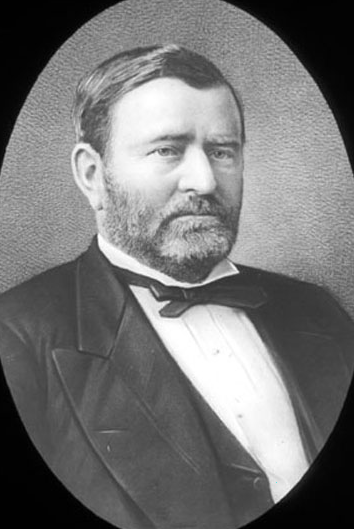
metal coffins had caught on with wealthy families. The affluent purchased them to deter grave robbers. In 1885
General Ulysses S. Grant was buried in an iron casket that was created in New
York.
 |
| Casket with Escape System |
 |
| Rope Attached to Bell |
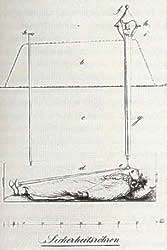
fear of being buried alive was rampant in the late 1700 and 1800’s. This was due in part to the cholera
epidemic and rumors of live burials that had occurred. Edgar Allen Poe’s story “The
Premature Burial” didn’t help
matters. In response to these
fears a safety coffin was developed.
The coffin would include a mechanism that allowed the occupant to signal
that s/he had been buried alive.
Usually it was a cord attached to a bell.
 |
| Wooden Coffin |
 |
| Steel Casket |
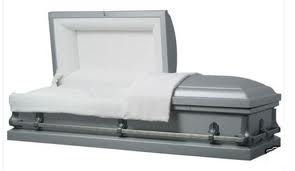
the turn of the 20th Century, wooden caskets were still the most popular. But by the 1960’s, steel casket
production had grown to 50% of the market. By the 1970’s, nearly two-thirds of all caskets were
metal. Today, it is mainly stainless
steel caskets that are used. Caskets are available in 16 – 18 – 19 (a
combination of 18 & 20 gauge) – 20 and 22-gauge steel. Metal coffins can also be made in
bronze and copper. The less
expensive metal caskets are made of the higher gauge of stainless steel.
 |
| Cloth Covered Casket |
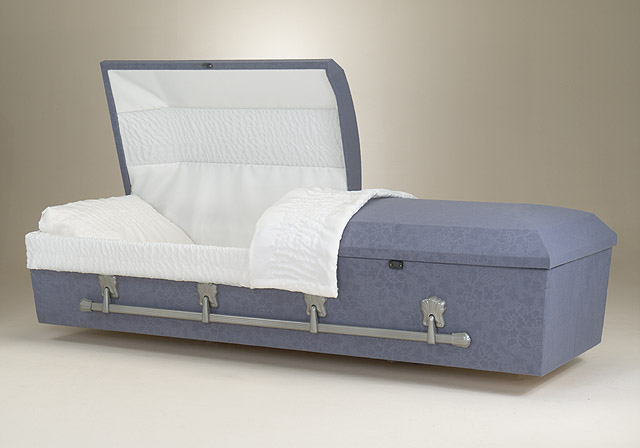
covered caskets are made from pressed wood, softwoods or corrugated
fiberboard. Caskets that are cloth
covered and less expensive than hardwood or steel caskets.
 |
| Oak Casket |
 |
| Maple Casket |
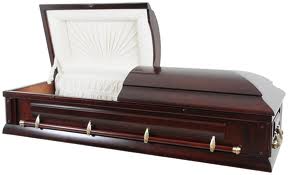
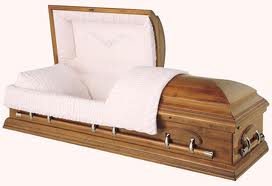
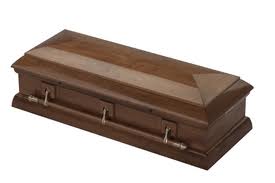
the interest in cremation growing, and the beliefs of many religious groups,
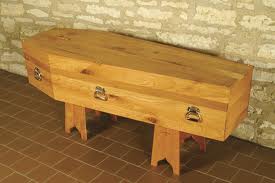
wooden coffins continue to have a place in our burial traditions. Hardwood caskets are made of solid
wood. Selected woods include
mahogany, walnut, cherry, maple, birch, oak, pine, poplar and willow. Other wood can also be used such as
ash, elm, cedar, and redwood. A
veneer-finished casket is less expensive than one of solid wood.
 |
| Steel Gasketed Casket |
 |
| Hardwood Casket |
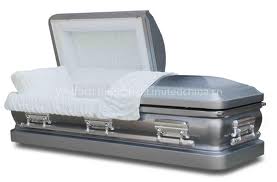
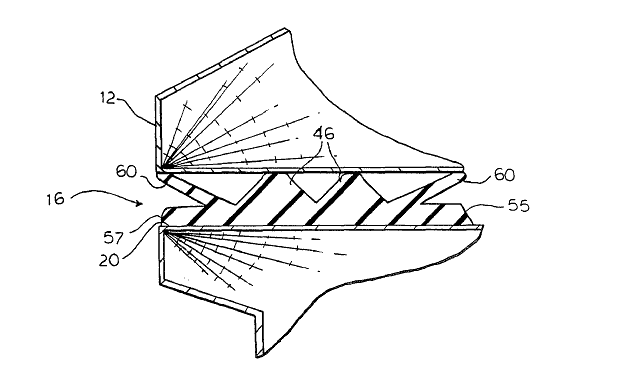
to the Casket & Funeral Supply Association of America, http://www.cfsaa.org, as of 2007, over
1,700,000 caskets were sold. Of
those, over 800,000 were steel gasketed, over 300,000 were hardwood caskets,
and just under 200,000 were cloth covered.
 |
| Sealing Gaskets |
 |
| Sealing Gaskets |
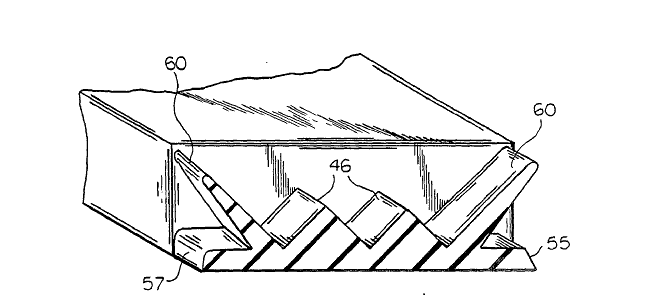
But remember
that regardless of any claim, even if the casket has a gasket that seals, it
will not protect the body from decay, or protect the public from disease. In fact, an airtight coffin
can cause the body to liquefy. A
coffin that permits air to pass through, such as a wooden box, allows for
skeletal remains.
 |
| Wine Opener Casket |
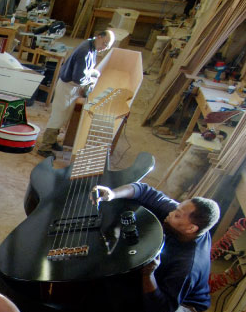 |
| Guitar Coffin |
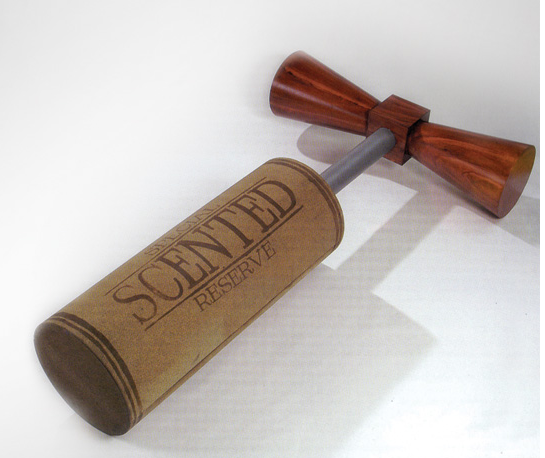
can now be found in a variety of shapes, including musical instruments, cars,
and wine corks. (http://crazycoffins.co.uk)
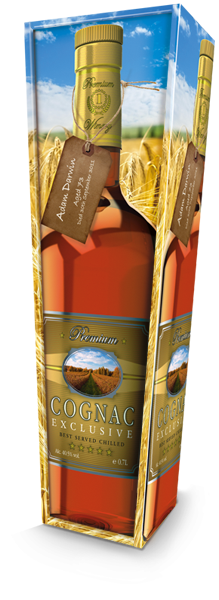 |
| Cognac Casket |
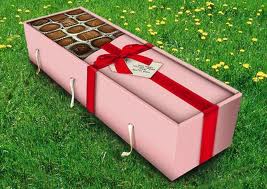 |
| Box of Chocolates Casket |
are designed to look like a box of chocolates, flowers, even a bottle of cognac. (http://www.creativecoffins.com/)

 Regardless
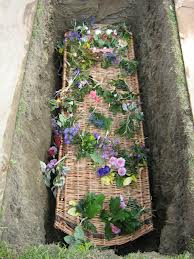
of the type of coffin/casket or lack of burial container, a burial, cremation
or committal ceremony is a way for the living to honor the deceased. It is a chance to say a final goodbye
and pay tribute to a life well lived.
And that is what truly matters.
Joy