
 |
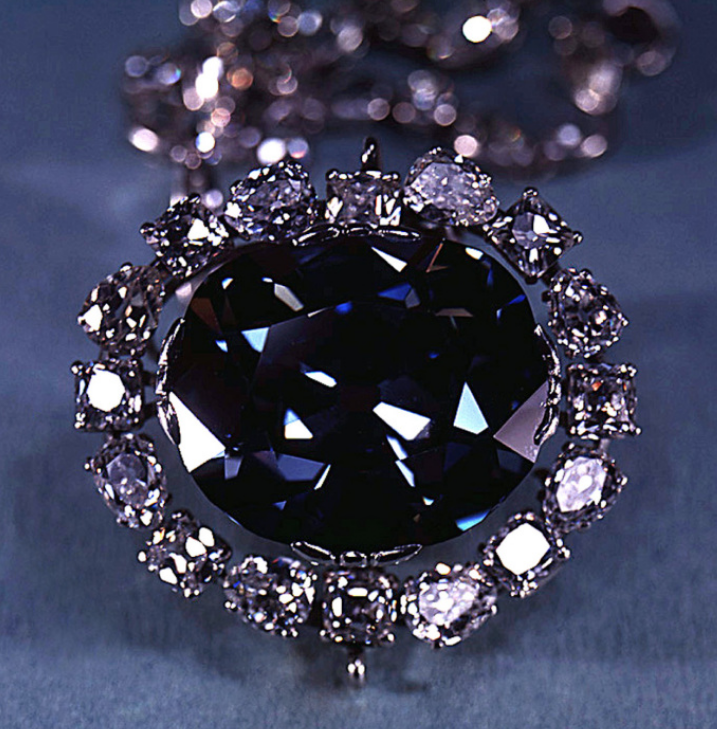
| The Hope Diamond |
fame comes at a cost … more than a dozen owners of the diamond lost fortunes, attracted suspicious circumstances, or suffered tragic deaths, all supposedly due to the diamond’s curse.
 |
| Jean Baptiste Tavernier |
Tavernier
from India in 1666. French gem merchant Jean-Baptiste Tavernier sold the 112-carat
diamond to King Louis XIV in 1668. Legend has it that marauding
dogs killed Tavernier as part of the curse. It seems Tavernier acquired the
diamond through deception and murder, and in retaliation; a curse was put upon the stone.
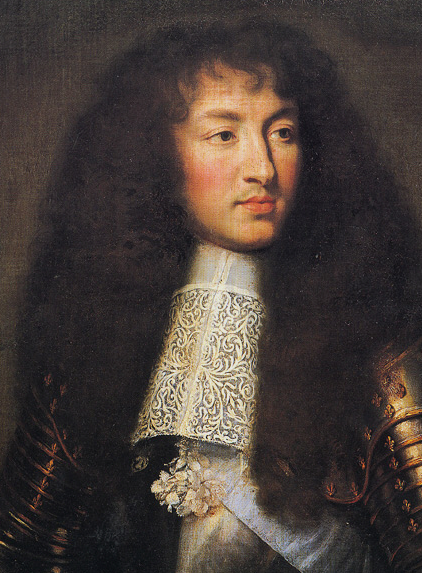 |
| King Louis XIV |
King Louis
XIV and Louis XV
stone into a 67-carat diamond that became known as The Blue Diamond of the
Crown. In 2009, it was discovered that the gem had been specially cut to create an
effect of a sun in its center. The jewel was then displayed on a gold
background to heighten the sun effect. Louie gave the stone to his mistress, who he later abandoned – but kept the diamond.
 |
| Kind Louis XV |
be worn as a ceremonial piece for the Order of the Golden Fleece. Louis XVI
died of gangrene.
and Marie Antoinette
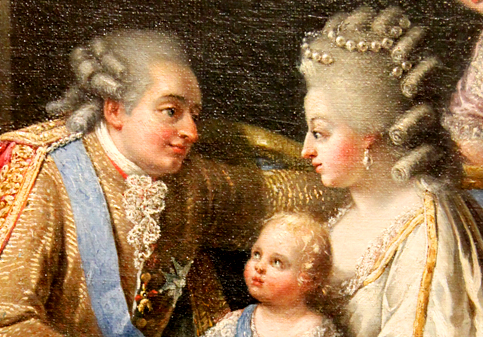 |
| Louis XVI and Marie Antoinette |
After Louis XV’s death, his grandson Louis XVI inherited what
was now called the French Blue. Rumor has it that Marie Antoinette may have
worn the diamond; although historians say the
king would have worn the diamond, just as his grandfather had with the Golden Fleece. Regardless of who wore the jewel, it was said
that their beheadings in 1793 were a result of the cursed stone.
 |
| The Recut Diamond |
Daniel
Eliason
shape. But in 1812, a blue diamond surfaced in England owned by diamond
merchant Daniel Eliason. Although it had been recut, it appeared to be the same
stone. Speculation was that King George IV may have owned the stone but at his
death in 1830, everything of value was sold to pay off his debts.
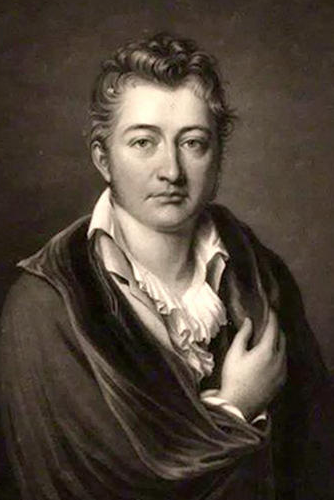 |
| Henry Philip Hope |
The Hope
Family
the 1830s. It then became known as the “Hope Diamond.” Henry Philip Hope was
the next owner, followed by his nephew Henry Thomas Hope, and the gem eventually
went to Lord Francis Hope.
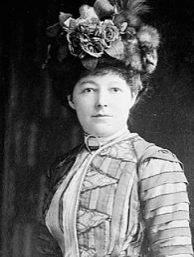 |
| May Yohe |
Lord
Francis Hope and May Yohe
actress May Yohe in 1894. Yohe, who performed in musical theatre, divorced Hope eight years later; the same year he sold the stone to
pay off his debts. Yohe also died penniless. Part of the Hope
diamond curse?
 |
| Death at Sea |
Turkish diamond collector, Selim Habib purchased the diamond in
1908. The next year he sold his collection of gems due to financial trouble.
Habib died at sea – contributing to the diamond’s curse.
Cartier
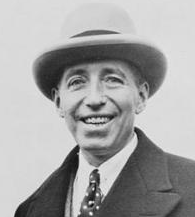 |
| Pierre Cartier |
Paris jeweler Pierre Cartier was the person who gave the curse some sparkle. When he talked to people about the stone, he always mentioned that it was cursed. When he sold the diamond to the owner of the Washington Post,
Cartier included a statement that read, “Should
any fatality occur to the family of Edward B. McLean within six months, the
said Hope diamond is agreed to be exchanged for jewelry of equal value.”
The “curse” became famous.
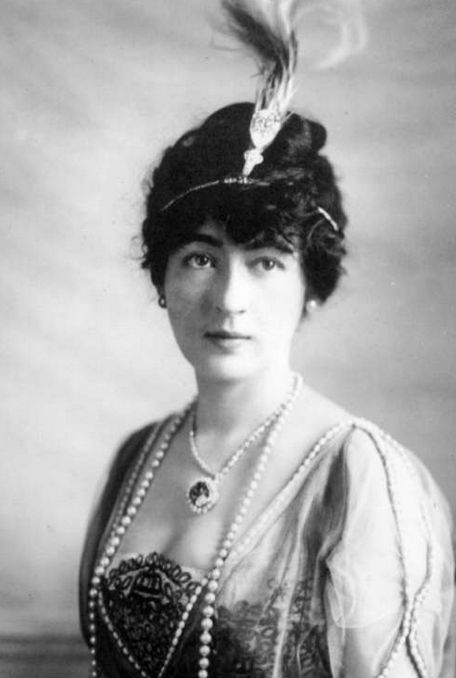 |
| Evalyn Walsh McLean |
Edward B
McLean and Evalyn Walsh
had it made into the diamond pendant necklace that exists today. Newspapers
carried headlines linking the McLean’s to the “sinister” diamond. Evalyn was
fascinated with the story and believed that what brought bad luck to others
would bring her only good. Then, in 1919, their nine-year-old son Vinson Walsh
McLean was killed by an auto outside the family residence. Edward left Evalyn for another woman and the
couple divorced. But in 1933, Edward was declared legally insane. He died eight
years later of a heart attack. Evalyn’s 25-year-old daughter died of a drug
overdose, and Evalyn was eventually forced to sell The Washington Post. She continued to own the stone until her death in 1947 when diamond merchant Harry
Winston purchased all of her jewels, including the Hope Diamond, to settle her
debts.
Winston
 |
| Harry Winston |
Once Harry Winston had the diamond, it was put on display in the
“Court of Jewels” exhibition for over a decade. The diamond was exhibited at charity
events throughout the world. Then, in 1958, Winston donated the Hope Diamond to
the Smithsonian Institution. But he didn’t take it to the Smithsonian, instead he sent the diamond through regular
mail, insuring it for roughly $150.
 Rumor has it that the mailman who delivered the package bearing the diamond had
his share of cursed luck. James Todd suffered a crushed leg in an accident
soon after. He also sustained a head injury in another accident, and his house
burned down.
Institution
 |
| Embracing Hope |
Once the gem arrived at the Smithsonian, the “curse” appeared to
end. The Hope Diamond has remained at the institution, leaving the premises
only four times in the past sixty years. Today, the diamond has its own room. In
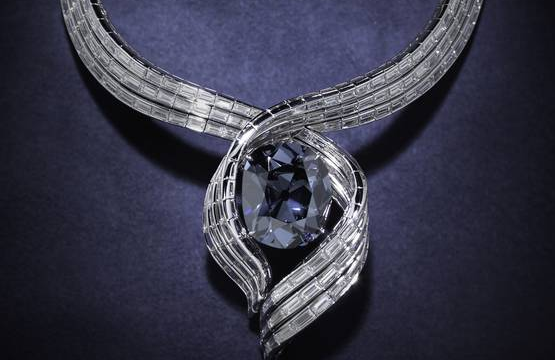
2009, to celebrate the 50th anniversary of the diamond’s arrival to
the Smithsonian, “a modern design consisting of three ribbons set with
baguette-cut diamonds wrap around the Hope Diamond in an exquisite embrace.”
Known as “Embracing Hope,” the necklace was displayed for more than a year before
the stone was returned to its original setting.
 |
| Hope Diamond Today |
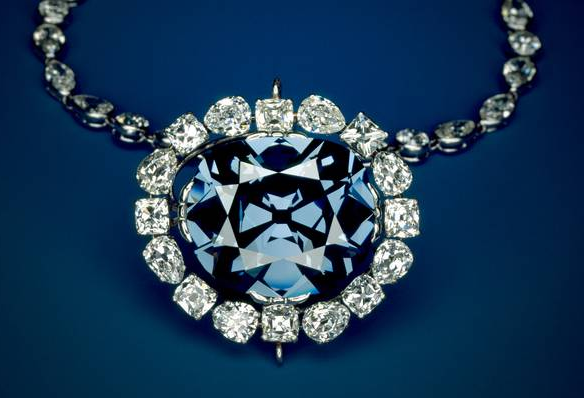
Once again, the Hope Diamond is
surrounded by 16 white diamonds on a necklace chain of another 45 white
diamonds. The cut of the diamond is described as “cushion antique brilliant with
a faceted girdle and extra facets on the pavilion.” The diamond itself is
45-carats: about the size of a walnut, and worth an estimated $250 million
dollars.
 Make holiday shopping easy. My new book The Family Tree Cemetery Field Guide is now available at bookstores across the country. Click
here for book information.
