
There are more than 400,000 servicemen and women, their families, and veterans, along with presidents, Medal of Honor recipients, and military staff interred at Arlington Cemetery in Washington, D.C. They are segregated by race, gender, or religion. All are given full military rites based on their service to this country.
But all that changed last winter when American president, Donald Trump signed Executive Order 14185 to dismantle and remove Diversity, Equity, and Inclusion (DEI) programs and offices in the Department of Defense and the U.S. Coast Guard, stating that these programs “undermined leadership, merit, and unit cohesion.” This included museum exhibits, interpretive signs, educational displays, historical plaques, and cemetery visitor displays, both in this country and those that have American cemeteries.

At Arlington National Cemetery, known as “Our Most Sacred Shrine,” online histories located on biography pages, photos, articles, or videos about Black, Hispanic, and women soldiers and veterans were erased. The move was called a “digital content refresh” of all online historical materials.
Then, during the spring of 2025, the United States removed two information plaques honoring African American troops, who took part in the liberation of the Netherlands during WWII, from the Netherlands American Cemetery in Margraten, Netherlands.
Again, this was due to signed presidential executive order 14185 eliminating diversity, equity, and inclusion (DEI) in all federal agencies. The American Battle Monuments Commission (ABMC) acquiesced to the government and had the two panels in the Netherlands American Cemetery at Margraten, Netherlands, taken down. This event sparked strong public backlash in the Netherlands and America, especially considering that the plaques were originally placed by the ABMC just one year earlier, in 2024. There was no public explanation for the removal of the plaques.
But removal of online histories and visitor center plaques cannot alter the fact that more than one-million Black soldiers enlisted and fought against the Nazis during WWII, all over the world. Nearly 500,000 Hispanic soldiers fought for the U.S., and more than 350,000 women served in the U.S. military just during WWII.
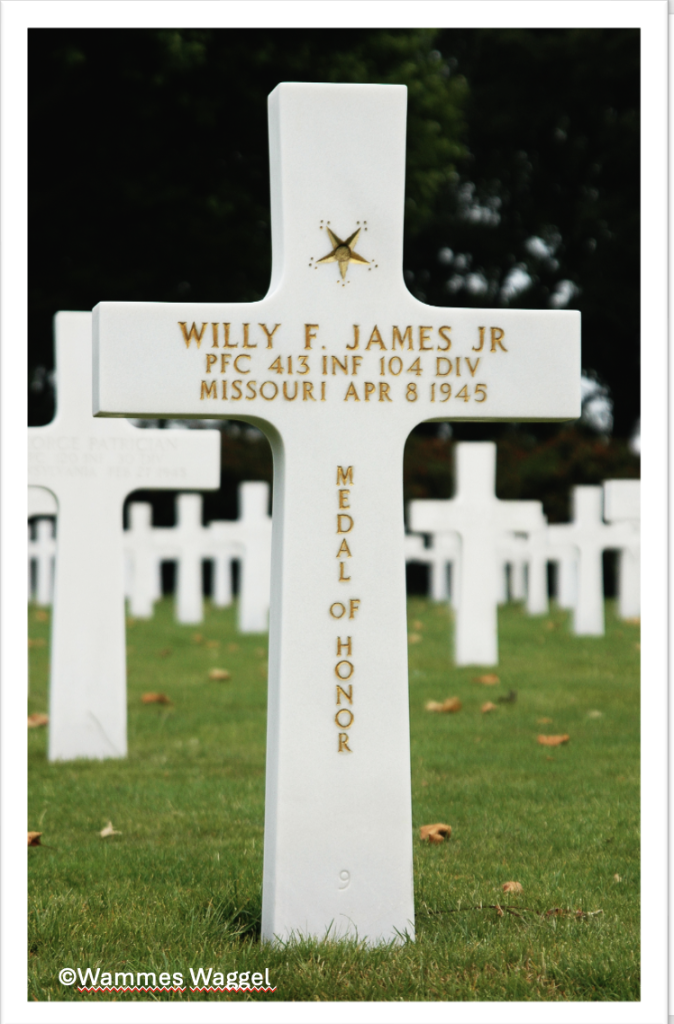
Of the 8,300 American soldiers buried at the Netherlands American Military cemetery, and another 1,722 names inscribed on the Wall of the Missing, 174 are Black Americans. Medal of Honor recipient Willy F. James, Jr. is one of them. James scouted enemy positions and provided his platoon with the necessary information that allowed his unit to advance. James was killed when he attempted to rescue his platoon leader, who had been shot. His heroism was honored in 1997, more than fifty years after his death.
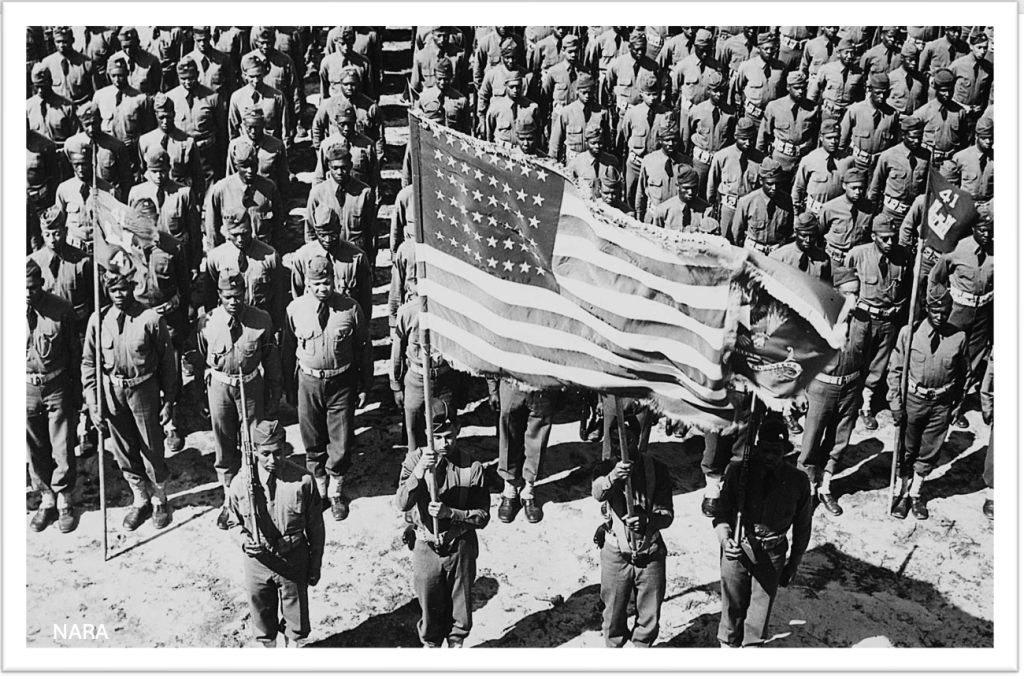
One removed panel explained the “Double V Campaign and Black Americans in WWII.” It provided information about the U.S. policy of racial segregation, which was in force at the time. (1941-1945) The “Double V” stood for victory over fascism overseas and victory over racism at home, in America. The panel provided historical context about Black Americans serving in WWII and the racism they had to endure
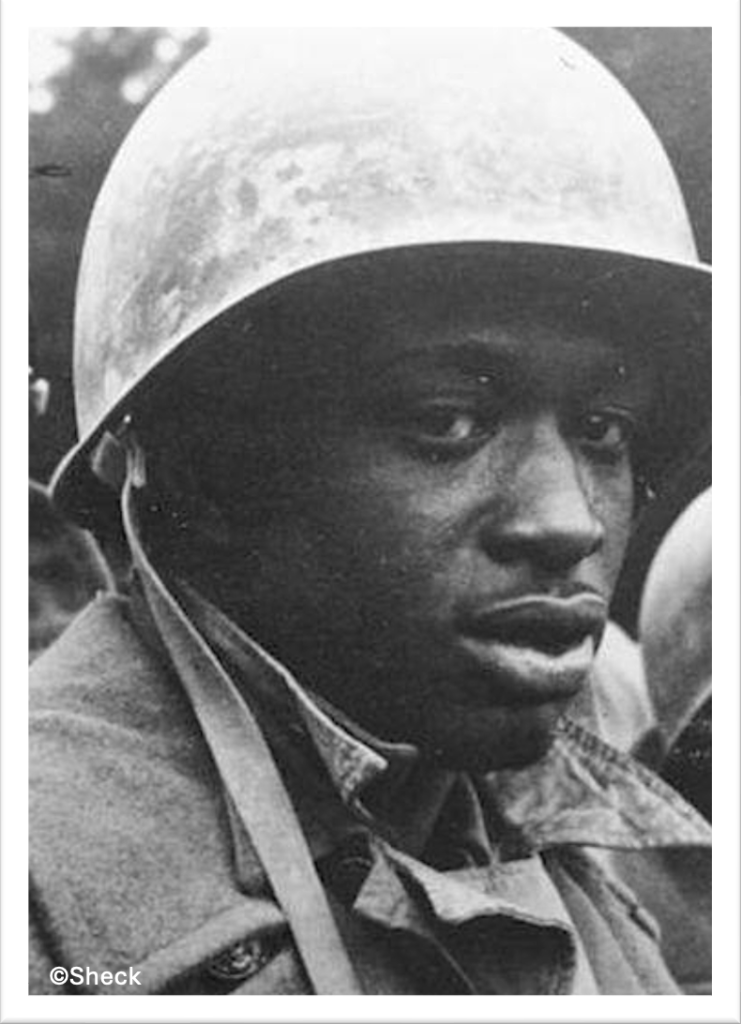
The other display removed was for 23-year-old Technician Fourth Class, George H. Pruitt who was assigned to the 43rd Signal Construction Battalion. On June 10, 1945, while working in Germany, Pruitt saw another soldier fall into a river and begin to drown. Pruitt attempted to rescue the soldier but died during the rescue attempt. Pruitt was buried in Plot L, Row 4, Grave 4 at the Netherlands American Cemetery in Margraten.
Residents in Margraten have adopted soldiers’ graves and tend them frequently, leaving flowers and small tokens as a remembrance of the sacrifices made. Locals remember that it was African American troops working with the Graves Registration unit that helped dig thousands of graves in Margraten during the Hunger Winter; a time of starvation in the Netherlands, during 1944-45.
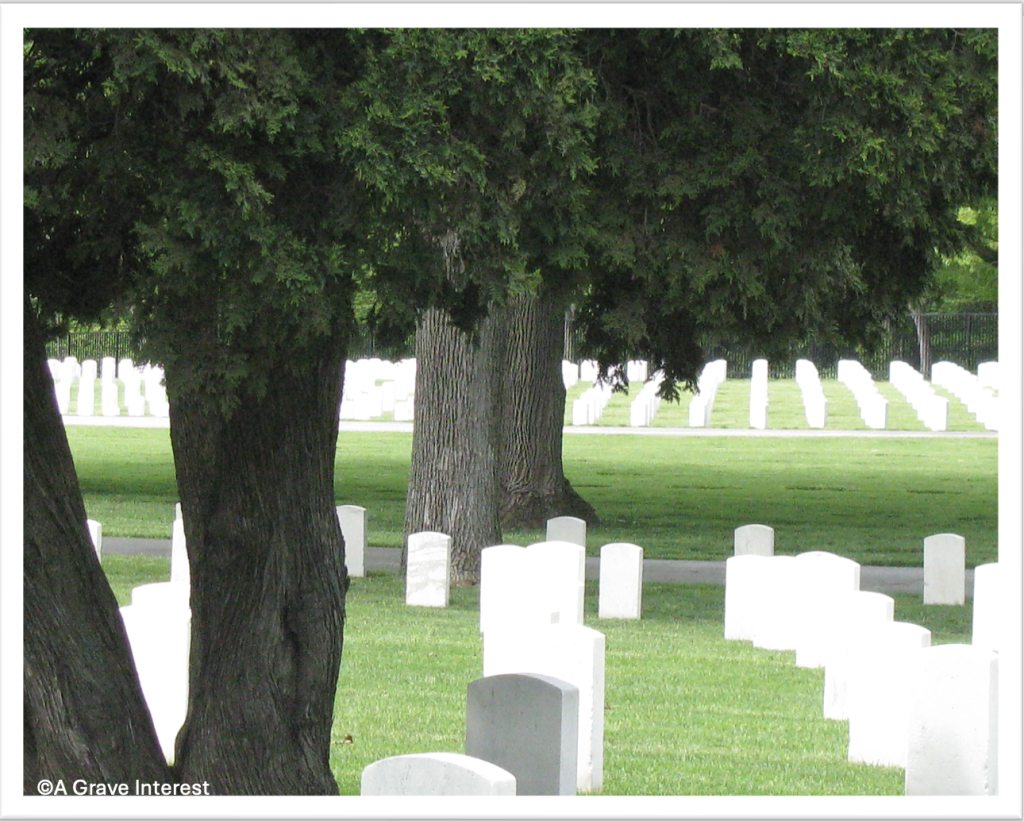
Although our country is willing to move past equity and fairness for all of its citizens, it does not change the fact that in the cemetery, everyone is equal, regardless of what is, or is not, known.
Joy
Thanking you so much for your statements that can serve as reminders that all of these historical details that have been important for all Americans to be aware of once existed and were in place as they were, defined the culture and the times when they happened.
As a country we cannot forget or ignore them.
Yes, everyone should be equal, however, quite sadly there were decades upon decades in America when this was not true. We’ve learned about how it affected “America’s Pastime” of baseball for example. We cannot change nor re-write history — nor should we attempt to bury it and replace it with a version of our own making. Your blog post has done a wonderful service to all of us who have read it to gain a greater grasp of what was true at the time it happened should indeed stand the test of time to be true and cannot be erased or replaced at any time.
Linda, thank you for taking the time to express your thoughts. I totally agree that any attempt to “bury or replace” our history is wrong and misguided. Instead, I believe we owe a sincere thank you to ALL who have served this country, now, and in the future.