(A short sabbatical is in order – So, for the next few weeks, we’ll take a look back at some older posts: This one is from 2011 on grave-witching.)
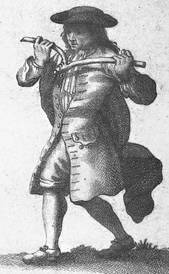 |
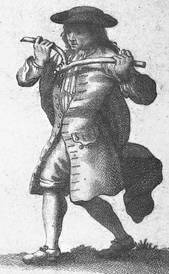
| 18th Century Dowser |
of what you call it, divining, witching, dowsing or rhabdomancy –
the interest in this ancient art is growing.
dowsing has caught the attention of genealogists around the world as a
way to locate the unmarked graves of ancestors. It can also be utilized
to help locate lost burial grounds, find pioneer cemeteries, and uncover
the burial grounds of Native Americans.
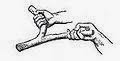 |
| Y Branch |
Witching, divining or dowsing has been used for centuries to locate water, oil, caves, precious metals, artifacts and treasure. Cave paintings depicting dowsing have been found in France, Spain and the Middle East.
 |
| Dowsing |
 Pharaohs
were buried with dowsing tools and etchings on how the tools were used
have been found on the walls of their tombs. Dowsing is mentioned in the
Old Testament. The Greek poet Homer referred to dowsing as Rhabdomancy – meaning divining rod in
Greek. Dowsing with a pendulum was popular in ancient Greece. In the
1700 and 1800’s. Europeans used forked branches to locate water and ore
deposits. The U.S. military used dowsers in the Viet Nam War to locate
land mines and hidden tunnels. The British military had dowsers on the
Falkland Islands to help locate unexploded ordnances.
 |
| De Vinci |
were times in history when dowsers were considered to be witches, or
evil. The Catholic Church assisted in this rumor by declaring that the
devil was involved, giving dowsers ‘special powers.’ Dowsing
fell from favor and went underground during the 1500’s and 1600’s.
Victorians revived an awareness of it with their interest in the
mystical and spiritual. Many well-known people were dowsers including
Leonardo De Vinci, Robert Boyle, Otto Edler von Graeve and Albert
Einstein.
 |
| Pendulum |
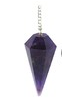
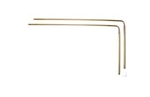
There are mainly four types of dowsing items used. There is the Y rod, usually from a peach, willow or witch hazel tree. The L rod can be brass, copper, aluminum, even wire coat hanger, bent in the shape of an L. The Bobber rod is a long, slender, tapered stick. The Pendulum is not a rod but a weight with a chain or a string attached.
 |
| L Rods |
The actual skill of
dowsing is not hard to learn. L rods are easy to use and to explain.
You can make your own from wire coat hangers. Simple cut off the hook
and straighten out the wire. Make a bend about 4 inches in on the wire
to create an L shape. The smaller part of the L will be the handle.
Create another and you have two L rods.
 |
| L rods held out |
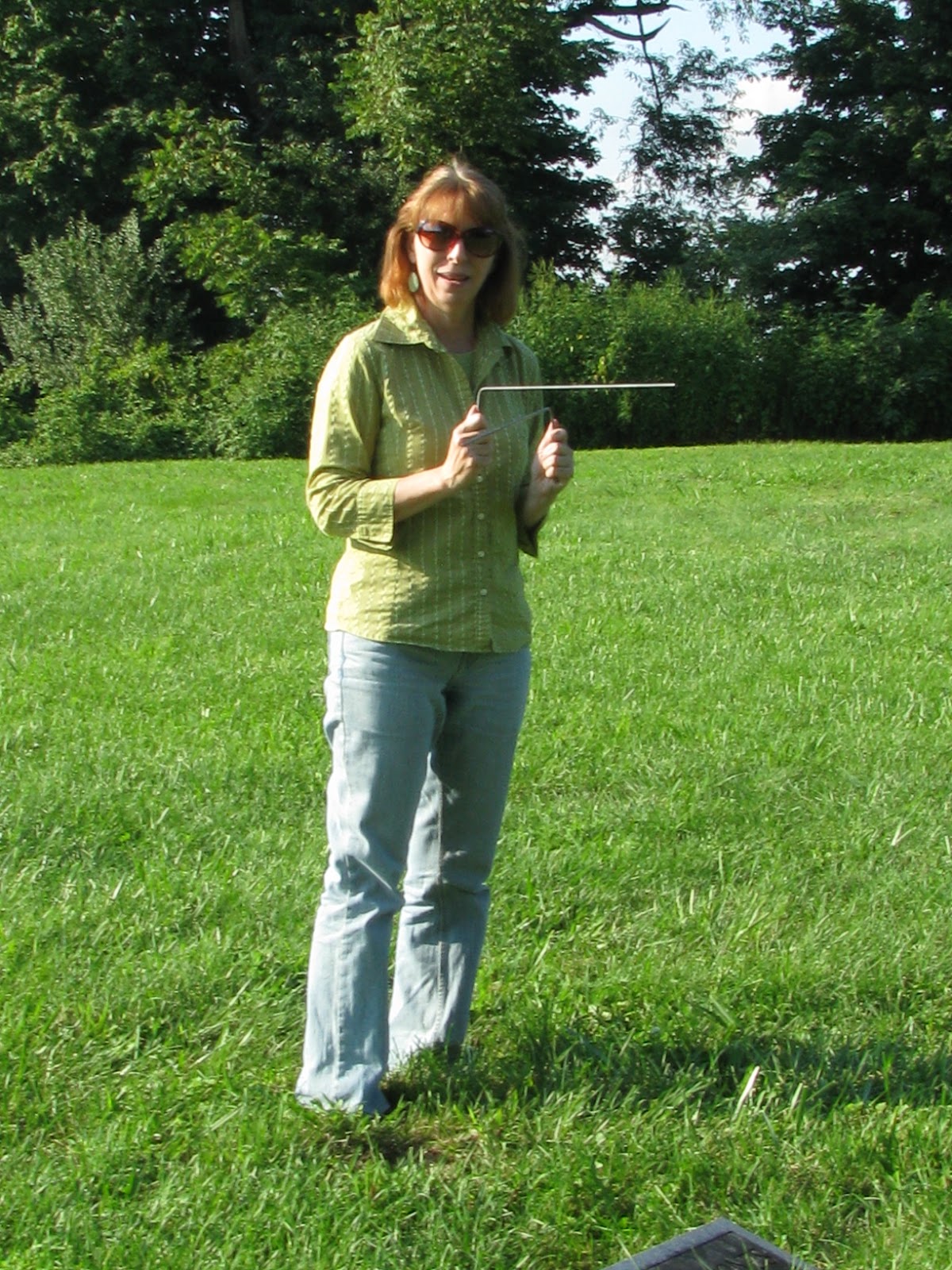
Stand
normally, hands at your side. Raise your arms to bend naturally at
your elbows, with your forearms parallel to the ground. Hold each rod
straight out. The rods should be held lightly in your hands. Do not
place your thumbs over the bend in the rods. Now begin walking slowly
and calmly toward the area you wish to test. When you step on a grave
the rods should cross or swing apart. When you step off the grave, the
rods should uncross or swing back to their former positions. Before
you attempt to go into uncharted territory to divine graves, get your
feet wet. Take your rods to a cemetery and practice the art of dowsing
there.
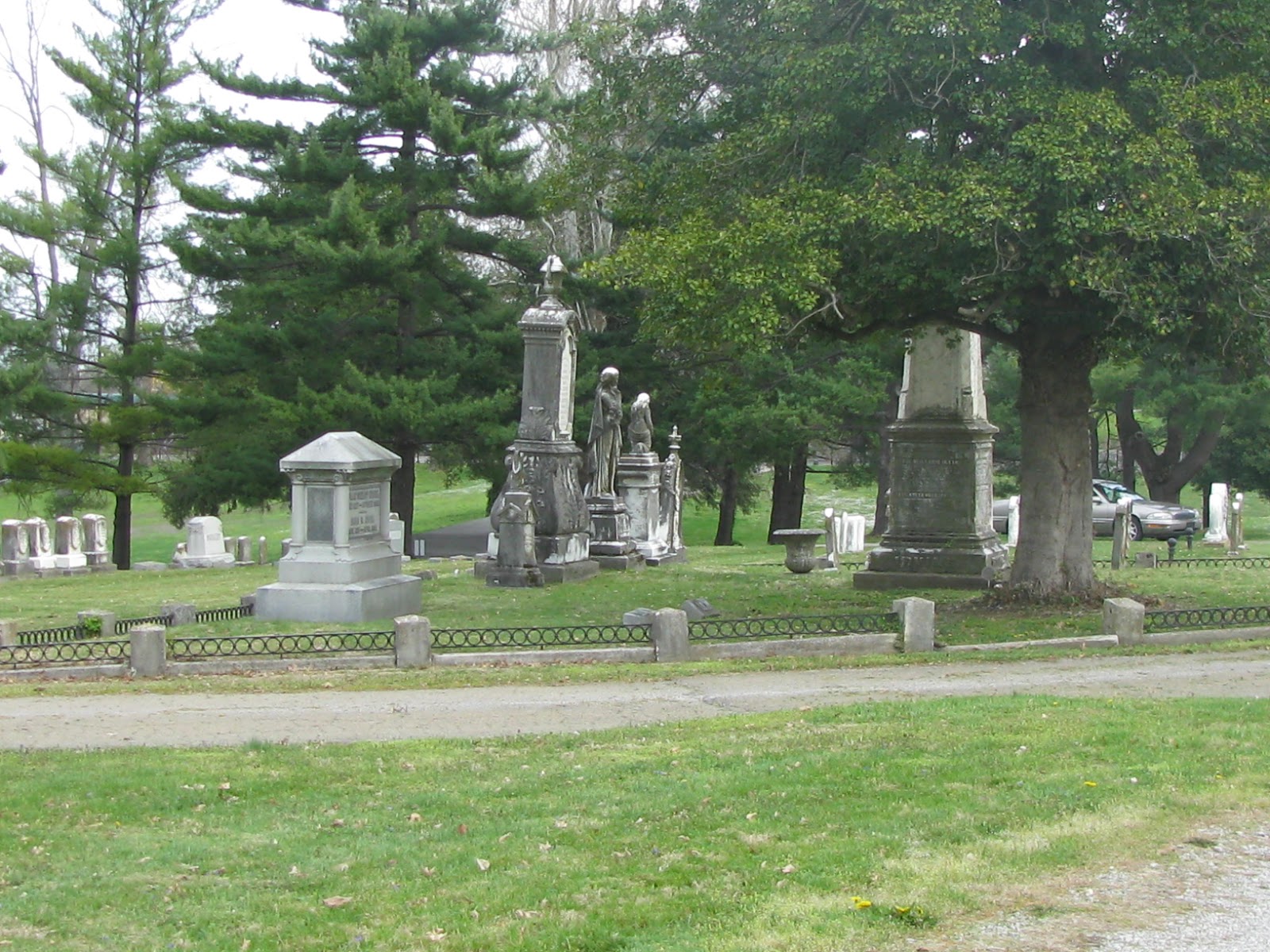 Many
Manydowsing books and articles mention that cemeteries in the U.S. are
usually laid out with heads pointing west and feet pointing east.
Supposedly this will aid you in identifying the gender of the body. I
have been in countless cemeteries where this is not the case. While it
may have begun in that manner, through the centuries, especially in
large cemeteries, the bodies have been buried with the lay of the land.
Regardless, working your way from north to south will help you create
an organized search route and may be able to determine the width of the
cemetery.
 |
| Counting Steps |
you get familiar with the rods, you may want to try to identify age and
gender. Age can be guessed at by the length of the body. Count your
steps lengthwise along the body. A general rule of thumb is 1 or 2
steps for an infant, 3 or 4 steps for a child, 5, 6 or 7 steps for an
adult.
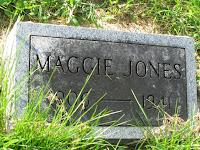 |
| …indicates a female. |
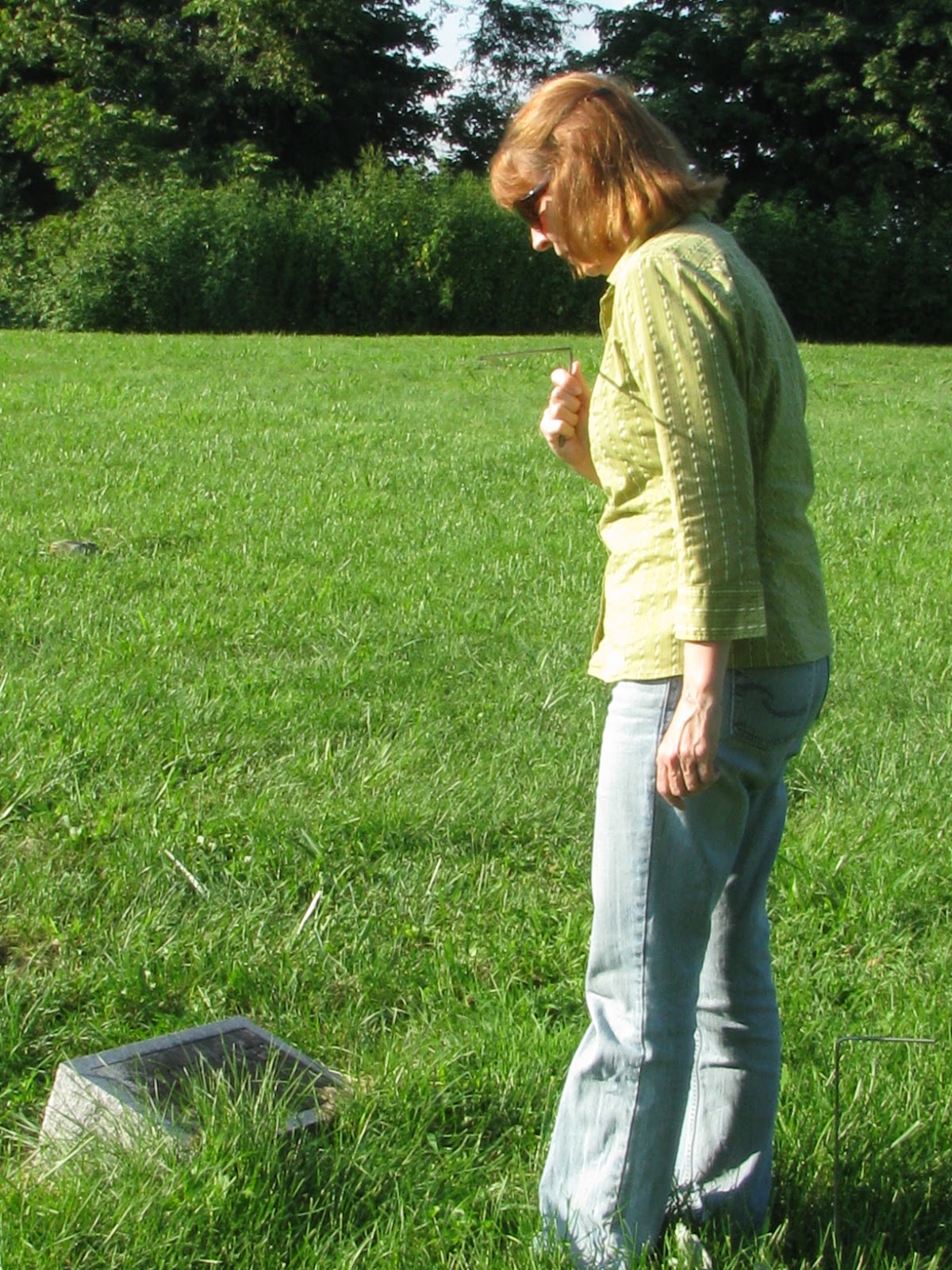 |
gender, there are several methods. An easy one is to push one rod in
the ground at the center of a grave. Step back away from the grave and
reapproach the grave with the remaining rod in one hand, out in front of
you. A swing to the left indicates a female; to the right is a male.
You can attempt to verify by approaching the grave from the other end
and see if the verdict is the same. (This is why practicing in a
cemetery is useful – The stones will verify what you’ve found out. Try
different methods in order to discover what really works for you.) Also
remember, dowsing rods can also pick up on cremated bodies and animal
remains
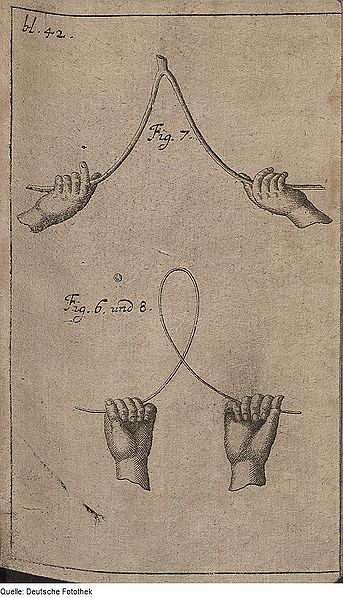 |
| Dowsing Forms |
So how does it work? Better still, why
does it work? There are no true proven answers. Theories abound that
there may be a physical connection made between the dowser and the item
sought. It could possibly be an energy vibration that the dowser tunes
into and the diving rods amplify, causing them to move. Scientists say
that the rods are not picking up on soil disturbances, metal in the
ground, magnetic fields, or decay. But as many have proven, believing
in dowsing is not required for it to work.
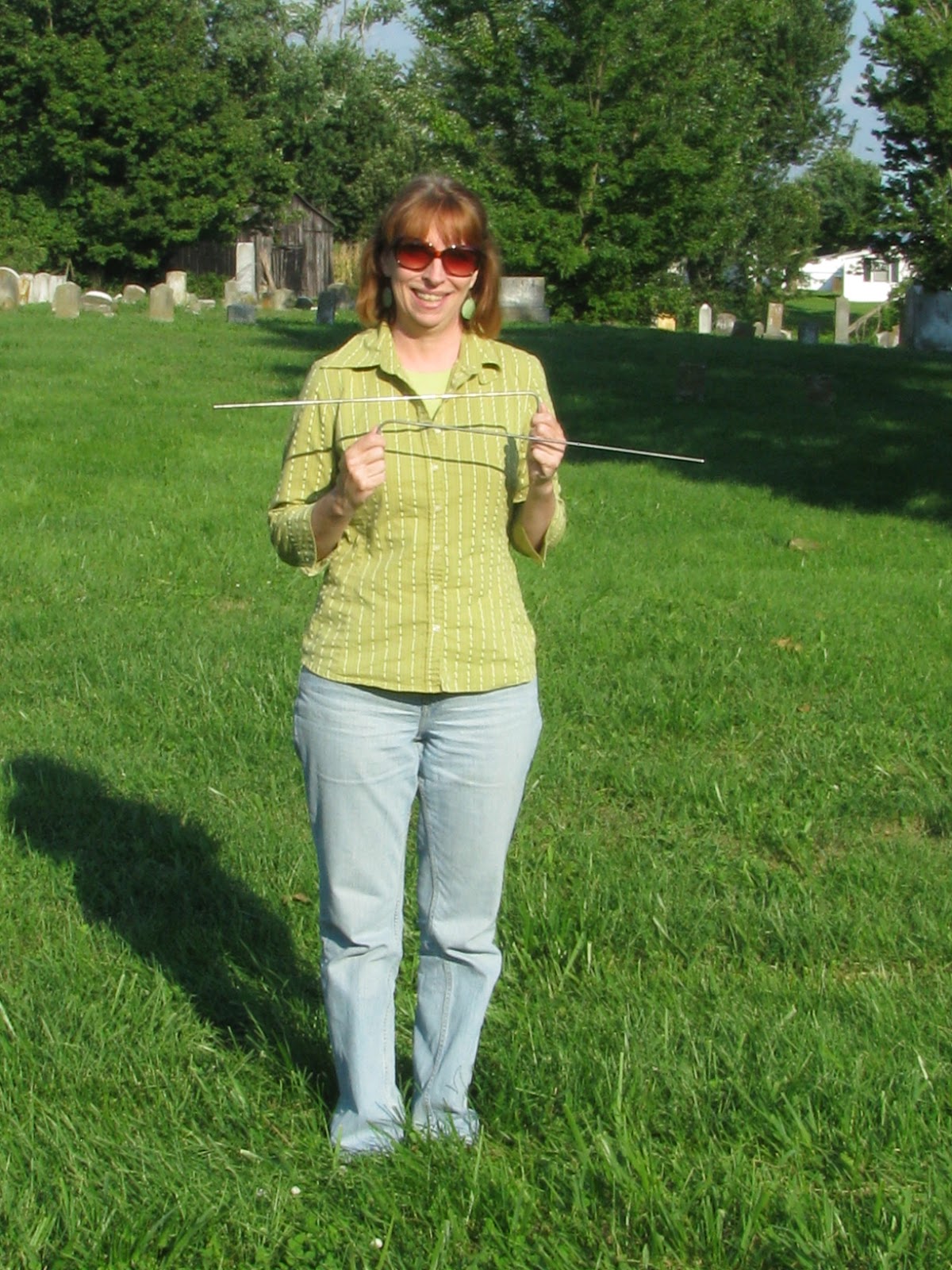 Not everyone can dowse. Just as we don’t know why it works, we also don’t understand why some people have the ability and some don’t. As a water witcher, I felt compelled to try grave dousing. I have always used peach or willow branches as Y dowsing rods, but discovered that the metal L
rods work fine. Cajoling my husband to assist me, we went to Richmond
Cemetery in Richmond, Kentucky so I could see if I had, as my grandma
would have said, ‘the touch.’ Grandma would be proud – I do.
 |
| Albert Einstein |
skeptical, if you like. After all, many consider this to be based on
folklore, superstition, placing dowsers in the same category as
charlatans and with doctors. Albert Einstein explained dowsing as a way
of using the human senses to perceive something that is “unknown to us at this time.” And since he had a good grasp on things being ‘relative,’ I can buy that!
To learn more about dowsing visit these web sites:
Joy