Normal
0
0
1
361
2059
17
4
2528
11.1539
0
0
0
 |
| Godspeed or Good Luck |
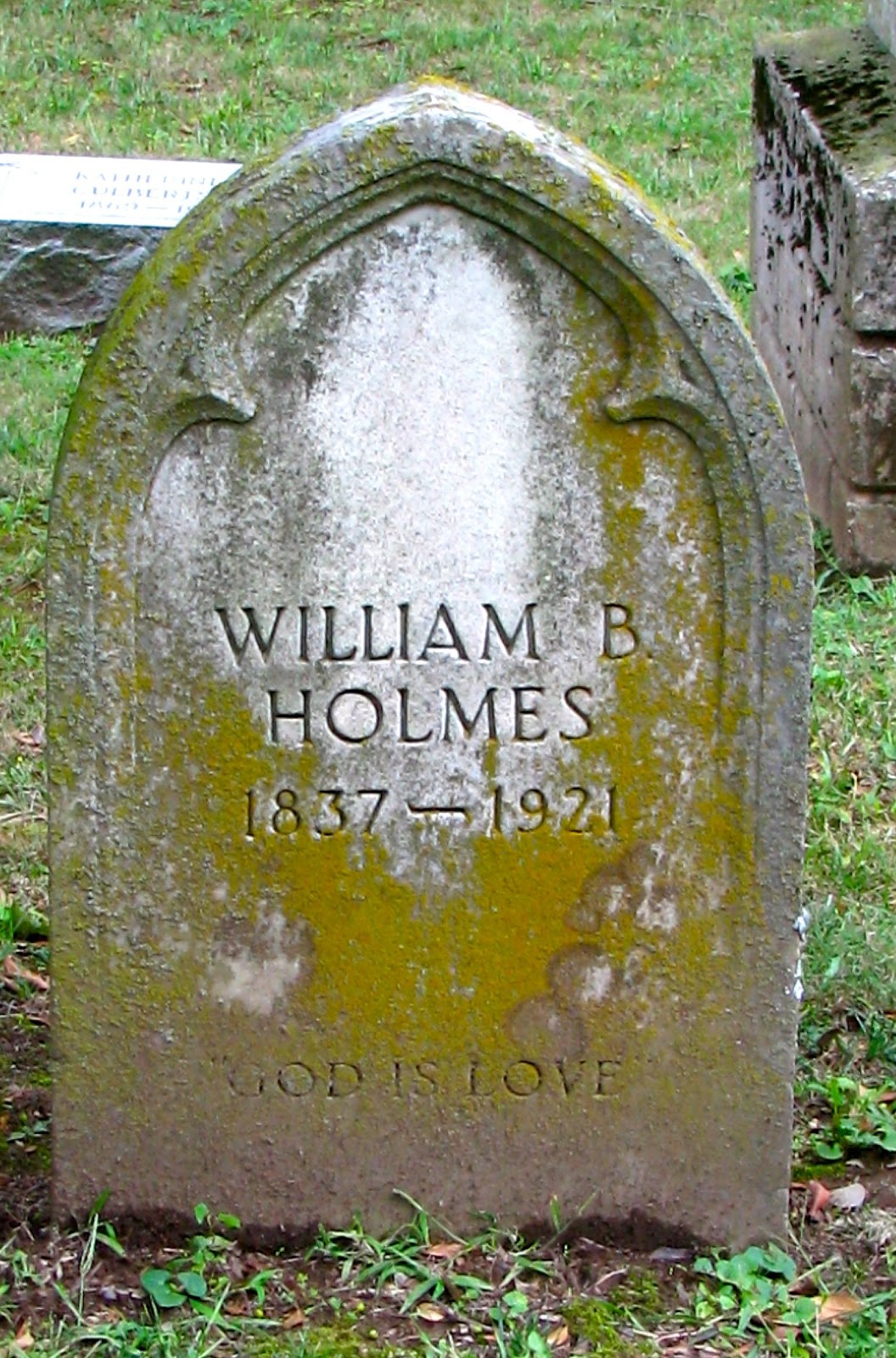 |
| Name, Date, God is Love |
An
epitaph is a short text, inscribed on a tombstone that honors a deceased
person, provides information about them, or acts as a message to
the living. How someone is
remembered can tell us a lot about who they were, their status in their family
and community, and about the period of time in which they lived.
epitaph is a short text, inscribed on a tombstone that honors a deceased
person, provides information about them, or acts as a message to
the living. How someone is
remembered can tell us a lot about who they were, their status in their family
and community, and about the period of time in which they lived.
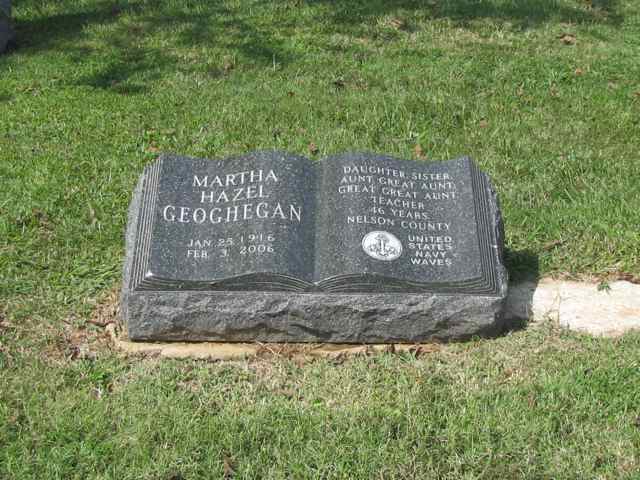 |
| Name, Relationships, Occupation |
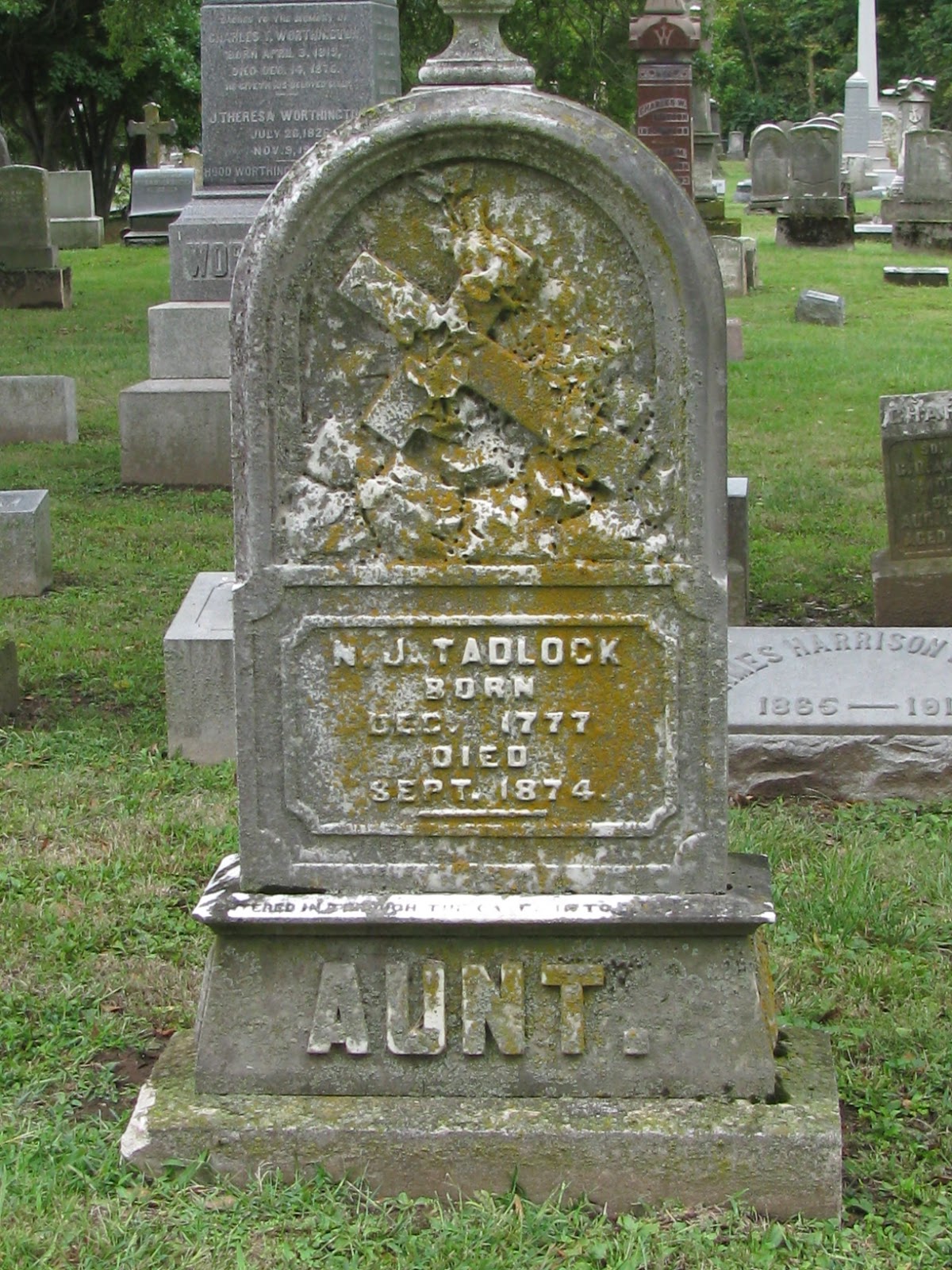 |
| Aunt |
An
epitaph may be a simple as someone’s name and his or her birth and death years,
or the statement of a family relationship such as father or aunt. But epitaphs can also be very detailed,
or rhyming, a poem, or simply a remembrance. Epitaphs are as distinctive and varied as the people they
are a tribute to.
epitaph may be a simple as someone’s name and his or her birth and death years,
or the statement of a family relationship such as father or aunt. But epitaphs can also be very detailed,
or rhyming, a poem, or simply a remembrance. Epitaphs are as distinctive and varied as the people they
are a tribute to.
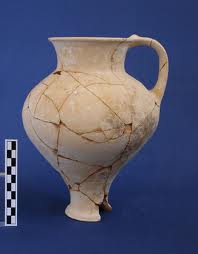 |
| Greek urn |
 |
| Spanish Epitaph |
Epitaphs
have been used for centuries beginning with symbols or signs carved into a rock
and placed on the deceased’s grave. The Egyptians, Romans and Greeks all used
symbols or shapes to signify who was buried in a plot. The Greeks were said to have eight
different grave forms; rectangular slabs, round columns, vases, stone blocks,
receptacles for cremated remains, stone coffins, shrines, and carved stones.
have been used for centuries beginning with symbols or signs carved into a rock
and placed on the deceased’s grave. The Egyptians, Romans and Greeks all used
symbols or shapes to signify who was buried in a plot. The Greeks were said to have eight
different grave forms; rectangular slabs, round columns, vases, stone blocks,
receptacles for cremated remains, stone coffins, shrines, and carved stones.
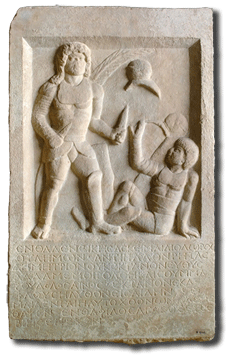 |
| Diodorus’ stone |
A
Roman epitaph of ancient gladiator Disorders, transcribed recently from the 2nd
or 3rd century A.D. reads, “Here I lie victorious, Diodorus the
wretched. After breaking my opponent Demetrius, I did not kill him immediately.
But murderous Fate and the cunning treachery of the summa rudis killed me…”
Roman epitaph of ancient gladiator Disorders, transcribed recently from the 2nd
or 3rd century A.D. reads, “Here I lie victorious, Diodorus the
wretched. After breaking my opponent Demetrius, I did not kill him immediately.
But murderous Fate and the cunning treachery of the summa rudis killed me…”
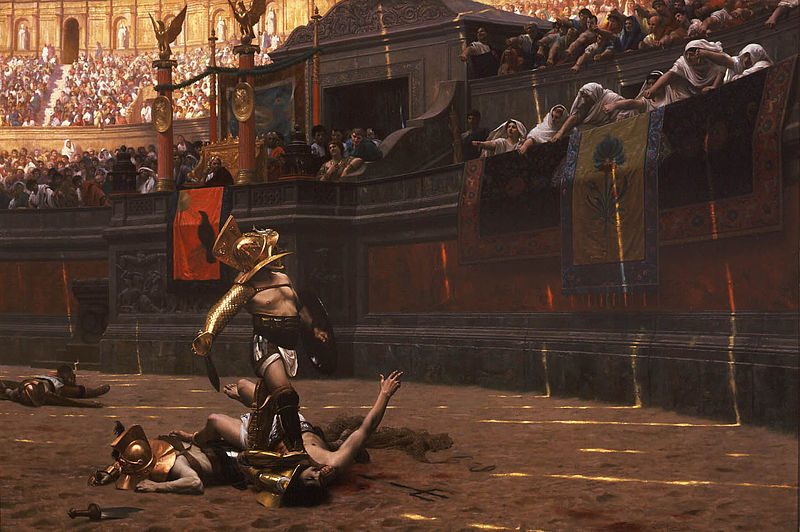 |
| Painting by Jean-Leon Gerome Pollice Verso |
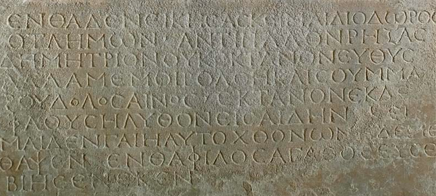 |
| Epitaph on Diodours’ tombstone |
The
summa rudis, or chief stick, refers to the referee of the game. Apparently the ref made a bad call,
which cost Diodorus his life, and his family did not want this mistake to be
forgotten, so it was depicted and inscribed on his tombstone.
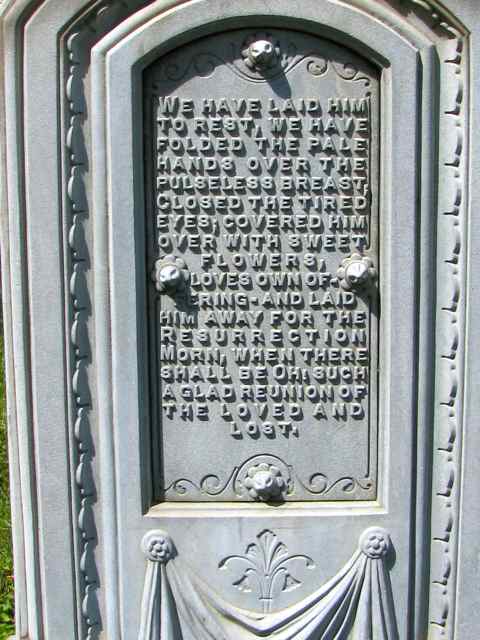 |
| Epitaph on White Bronze marker from the 1800’s |
The
use of epitaphs became widespread near the end of the 1700’s in Europe and 1800’s in America. During
the nineteenth century they became longer and more detailed, but by the turn of this century, epitaphs
began to become more concise again.
use of epitaphs became widespread near the end of the 1700’s in Europe and 1800’s in America. During
the nineteenth century they became longer and more detailed, but by the turn of this century, epitaphs
began to become more concise again.
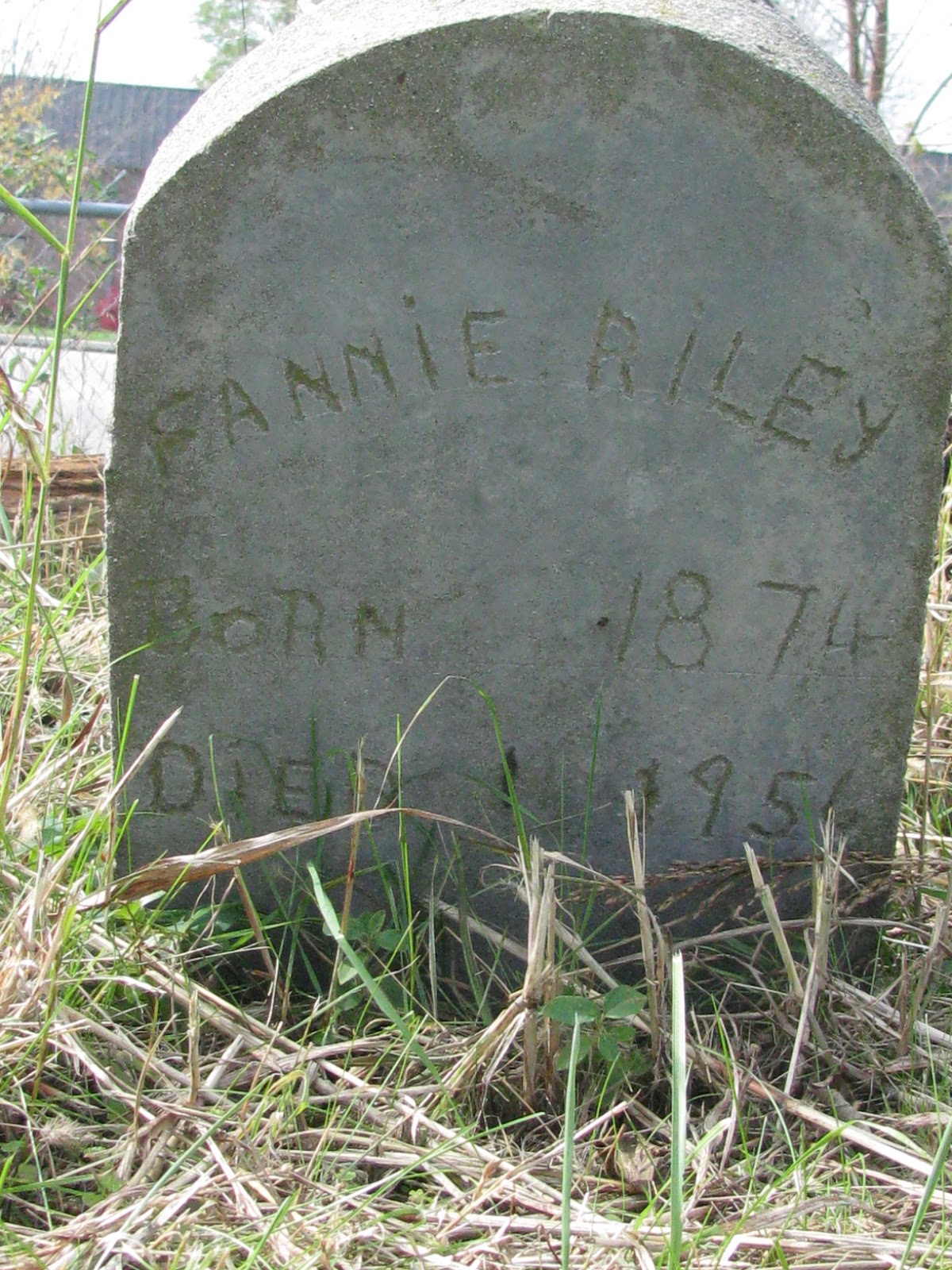 |
| Hand-written epitaph |
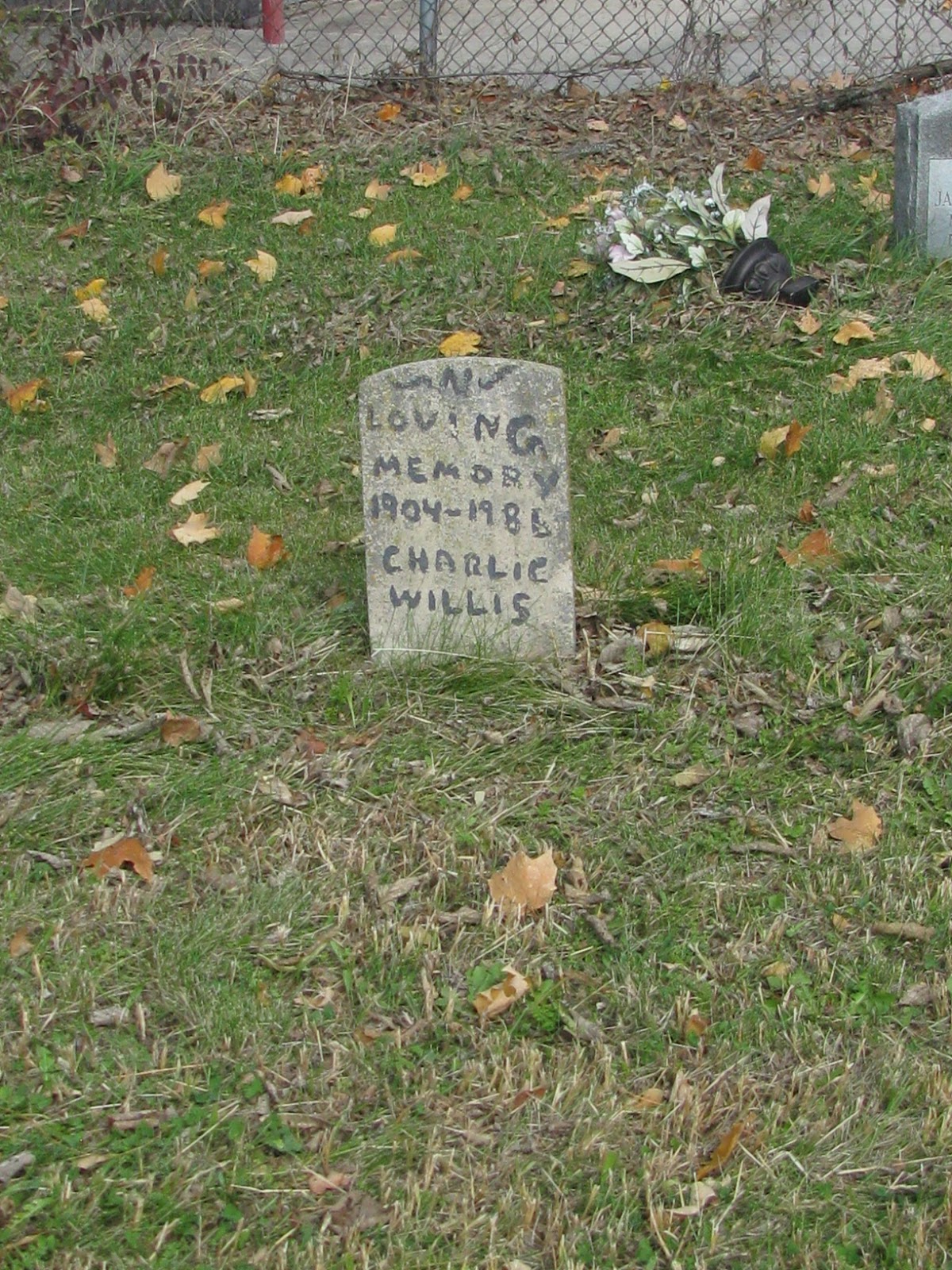 |
| Hand-painted epitaph |
During
the 1870’s and again in the early 1900’s when times were tough and money was
scarce, many tombstones were made from concrete slabs. Carved by the family, inscribed with a stick in wet cement or painted with a
brush, the epitaph was still heartfelt.
the 1870’s and again in the early 1900’s when times were tough and money was
scarce, many tombstones were made from concrete slabs. Carved by the family, inscribed with a stick in wet cement or painted with a
brush, the epitaph was still heartfelt.
An
epitaph can be descriptive, religious, thought provoking, or humorous. It all depends on the personality
buried there. Many times the
deceased selected their own epitaph.
If not, then a loved one or family member might do so. An epitaph may be an expression of
grief or love. It might indicate
immigration or illness. It can be
a testament to a life well lived or a love to last forever. It is a summation of someone’s personal
story.
epitaph can be descriptive, religious, thought provoking, or humorous. It all depends on the personality
buried there. Many times the
deceased selected their own epitaph.
If not, then a loved one or family member might do so. An epitaph may be an expression of
grief or love. It might indicate
immigration or illness. It can be
a testament to a life well lived or a love to last forever. It is a summation of someone’s personal
story.
Epitaphs can be placed in many groups, here are just a few I’ve found:
Tried & True Epitaphs
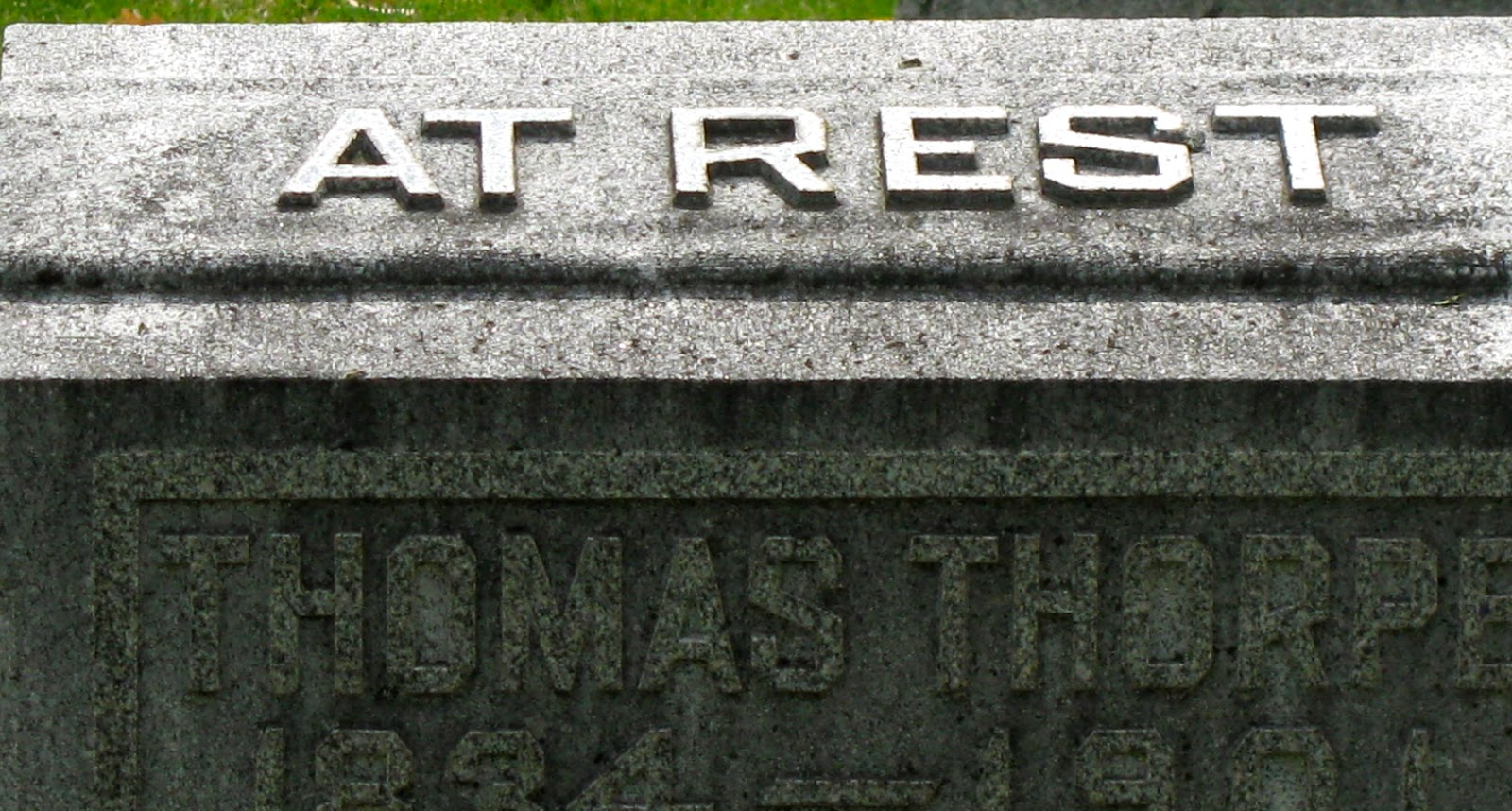 |
| At Rest |
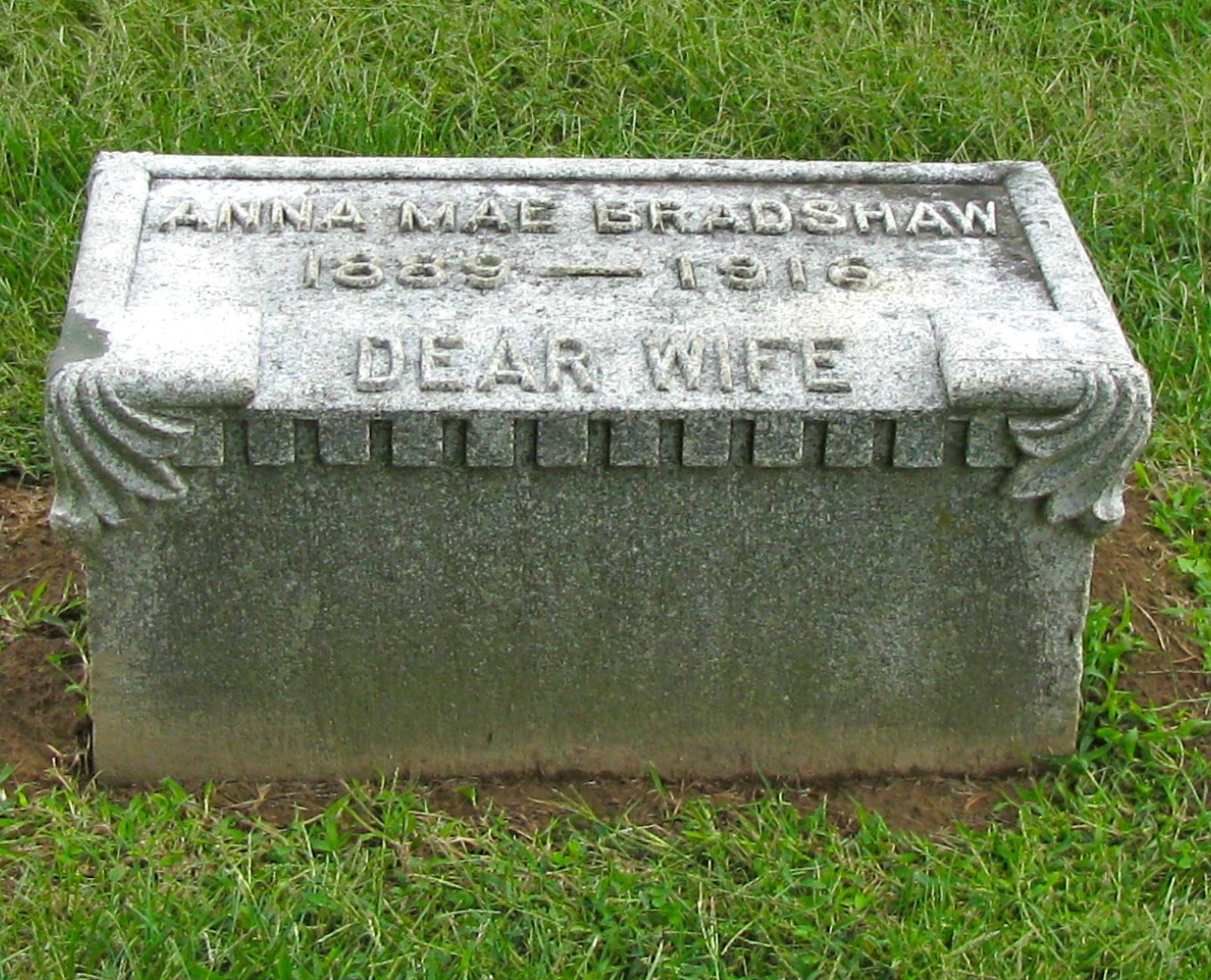 |
| Dear Wife |
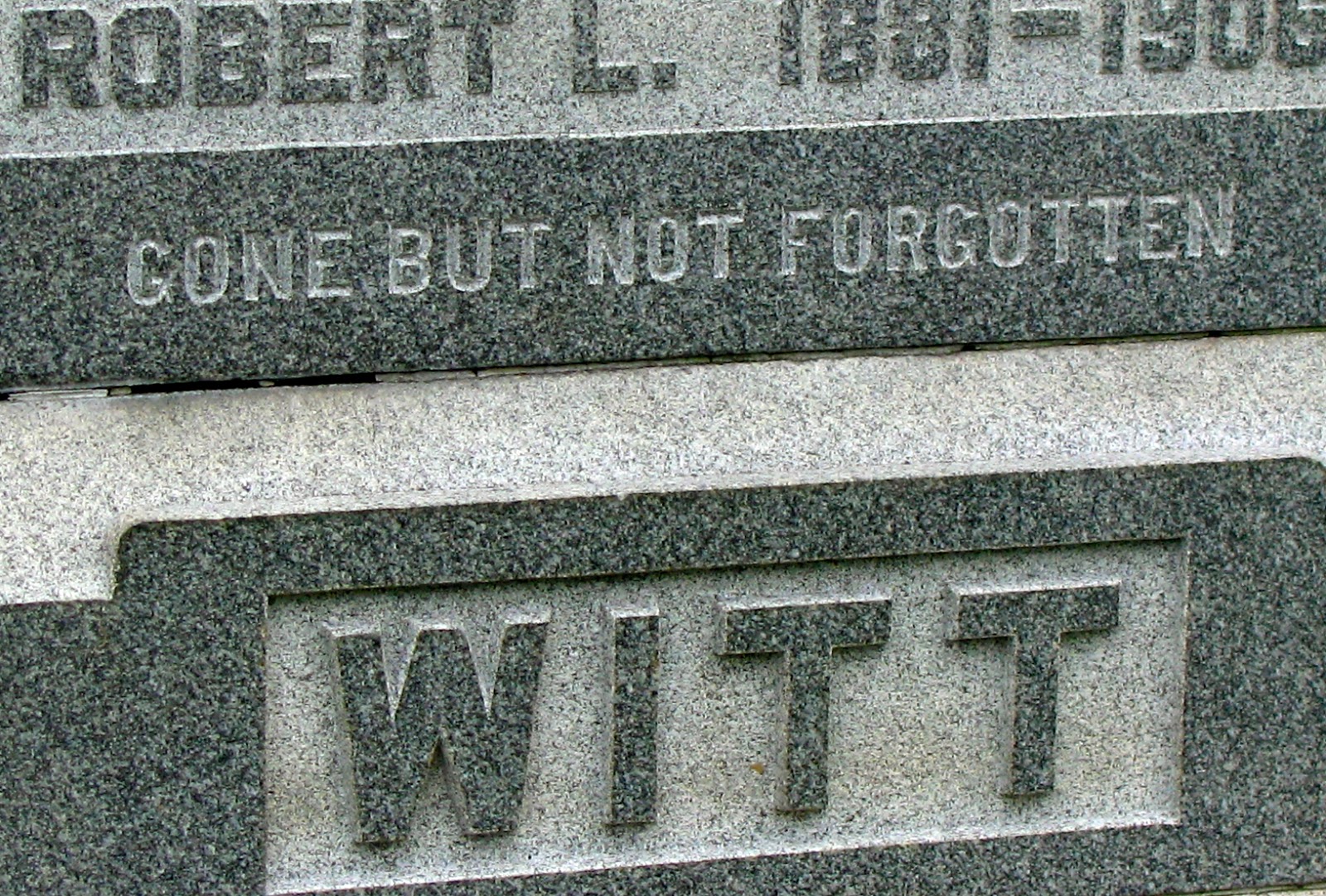 |
| Gone But Not Forgotten |
Grief & Sorrow
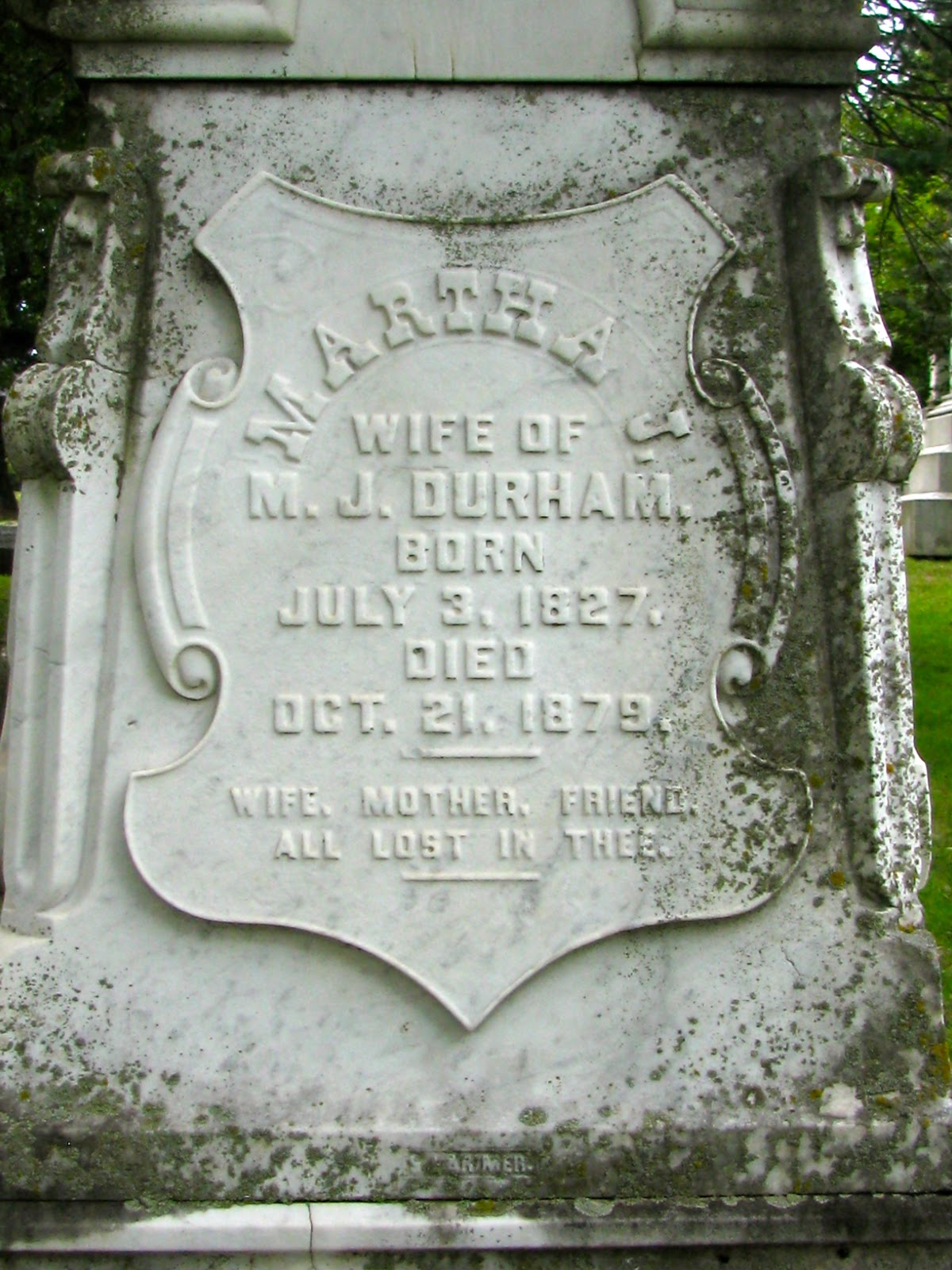 |
| Wife, Mother, Friend All lost in thee. |
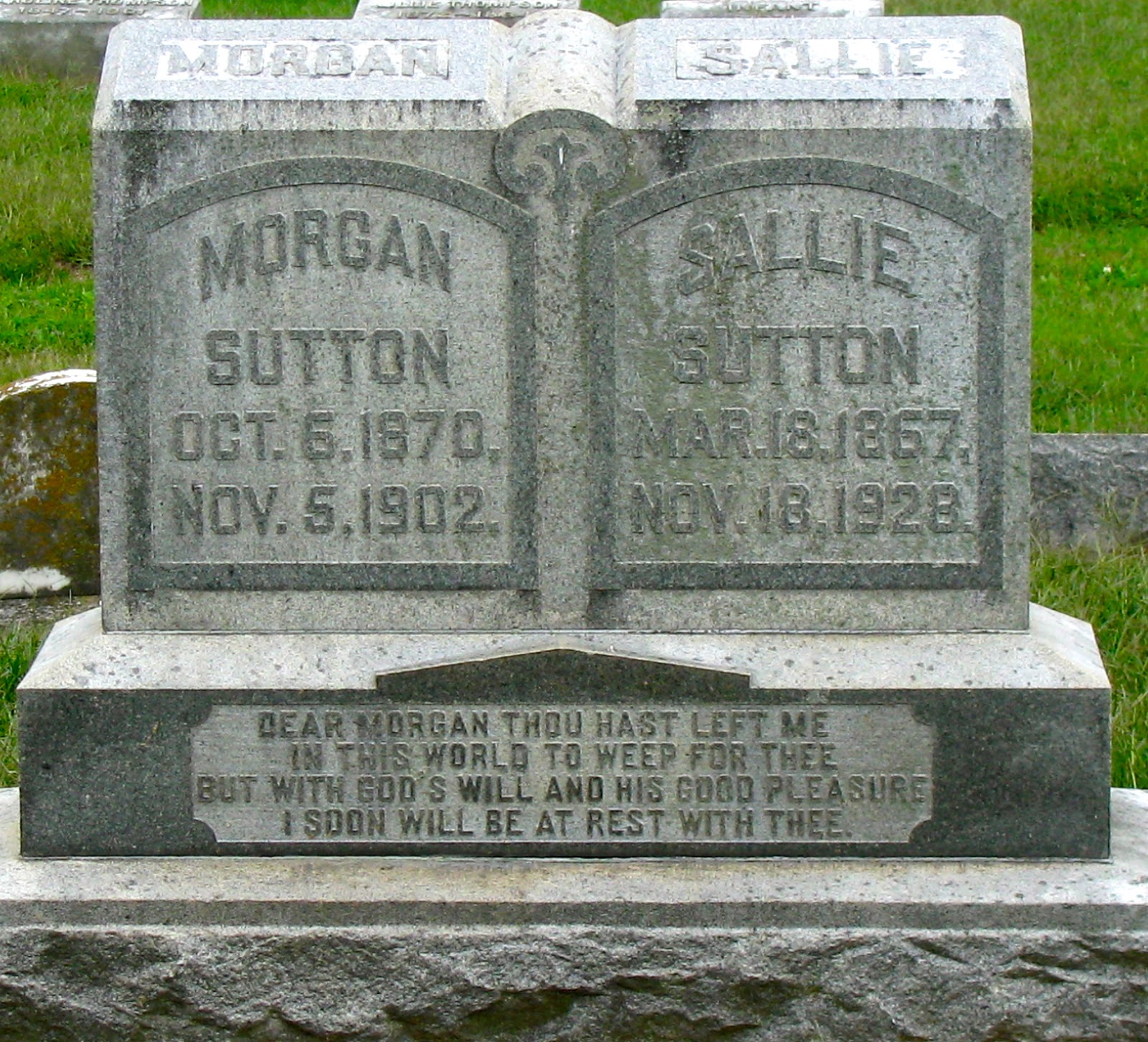 |
| Dear Morgan thou hast left me In this world to weep for thee But with God’s will and his good pleasure I soon will be at rest with thee. |
Religious
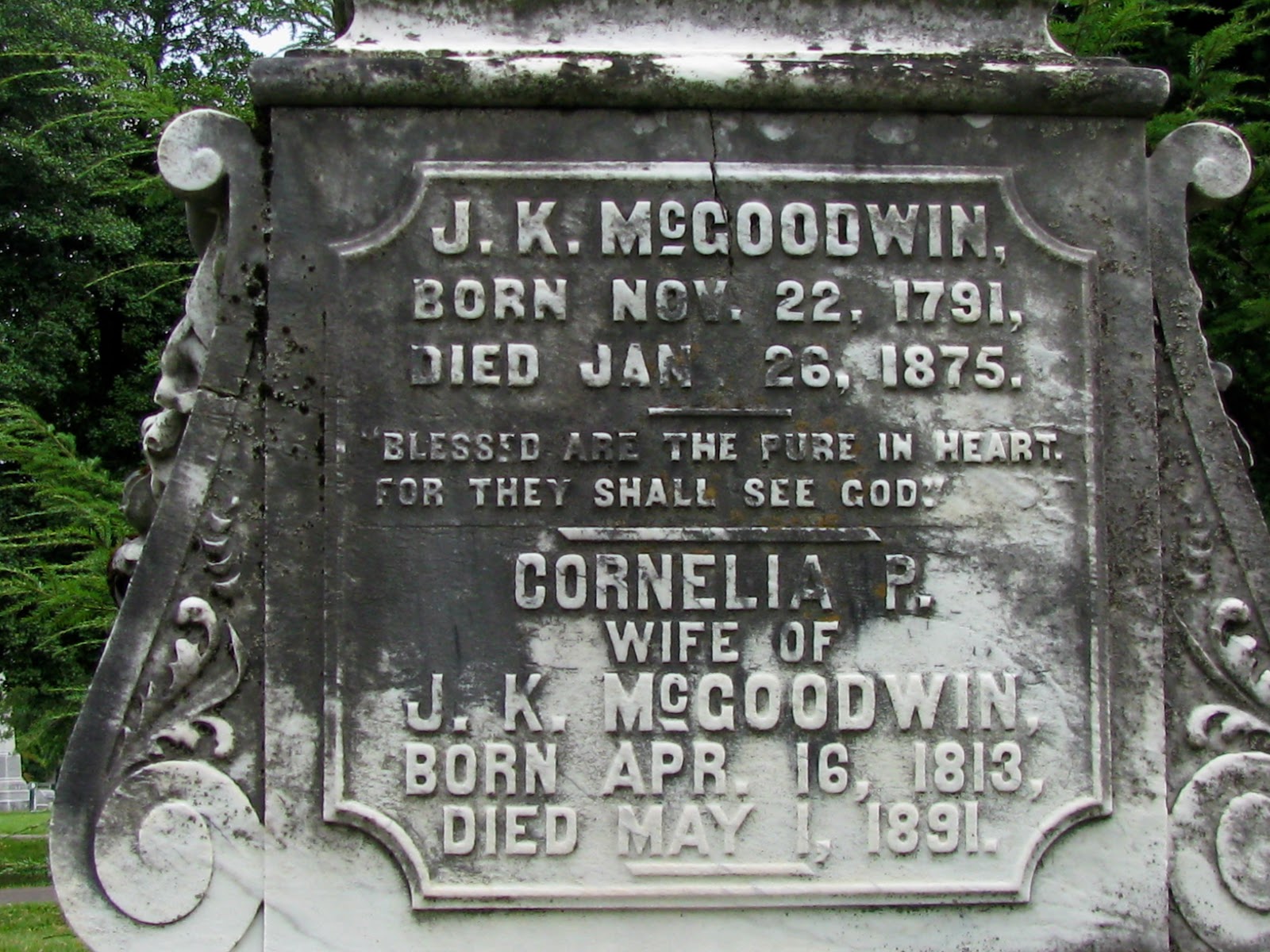 |
| Blessed are the pure in heart For they shall see God |
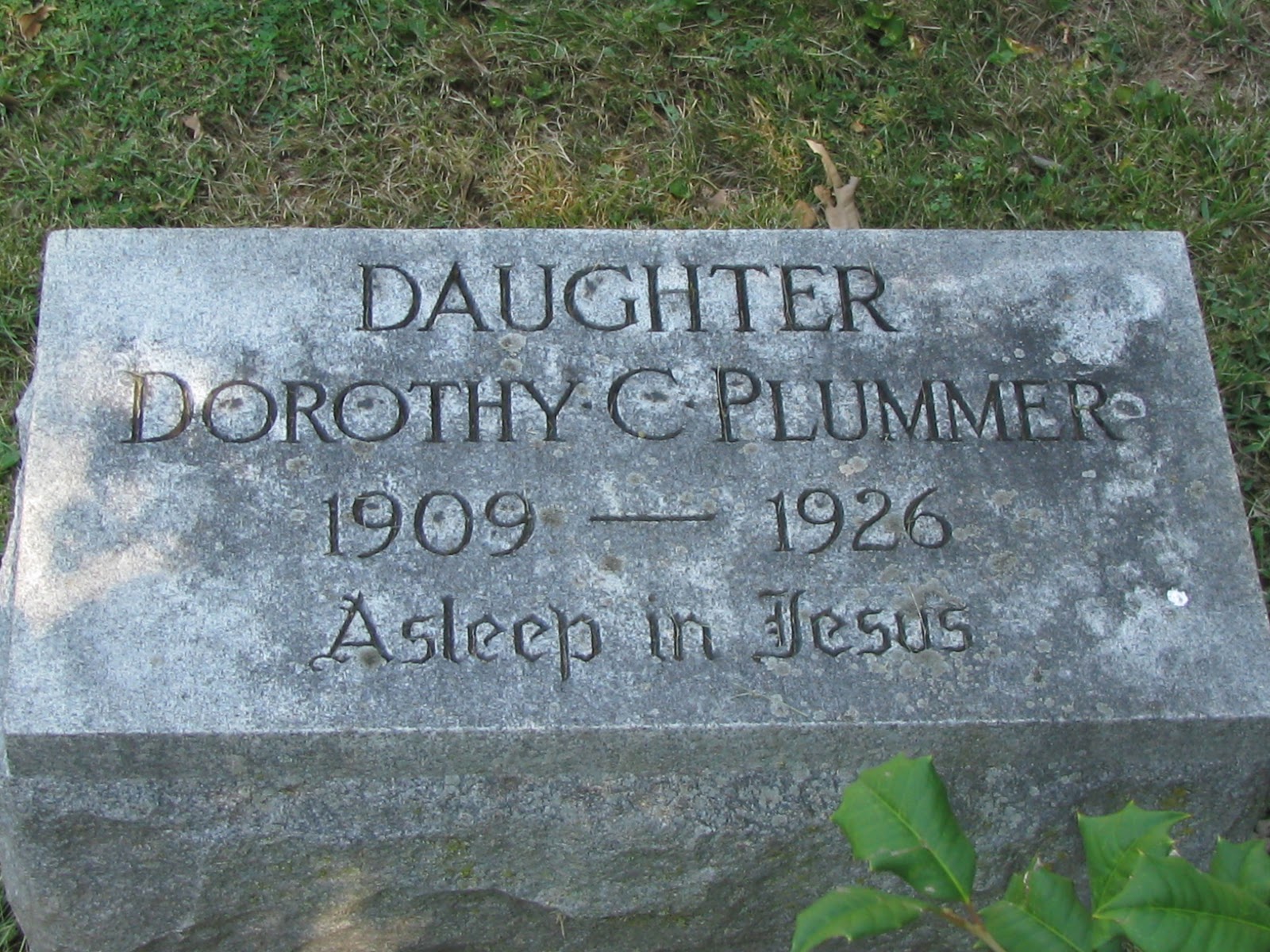 |
| Asleep in Jesus |
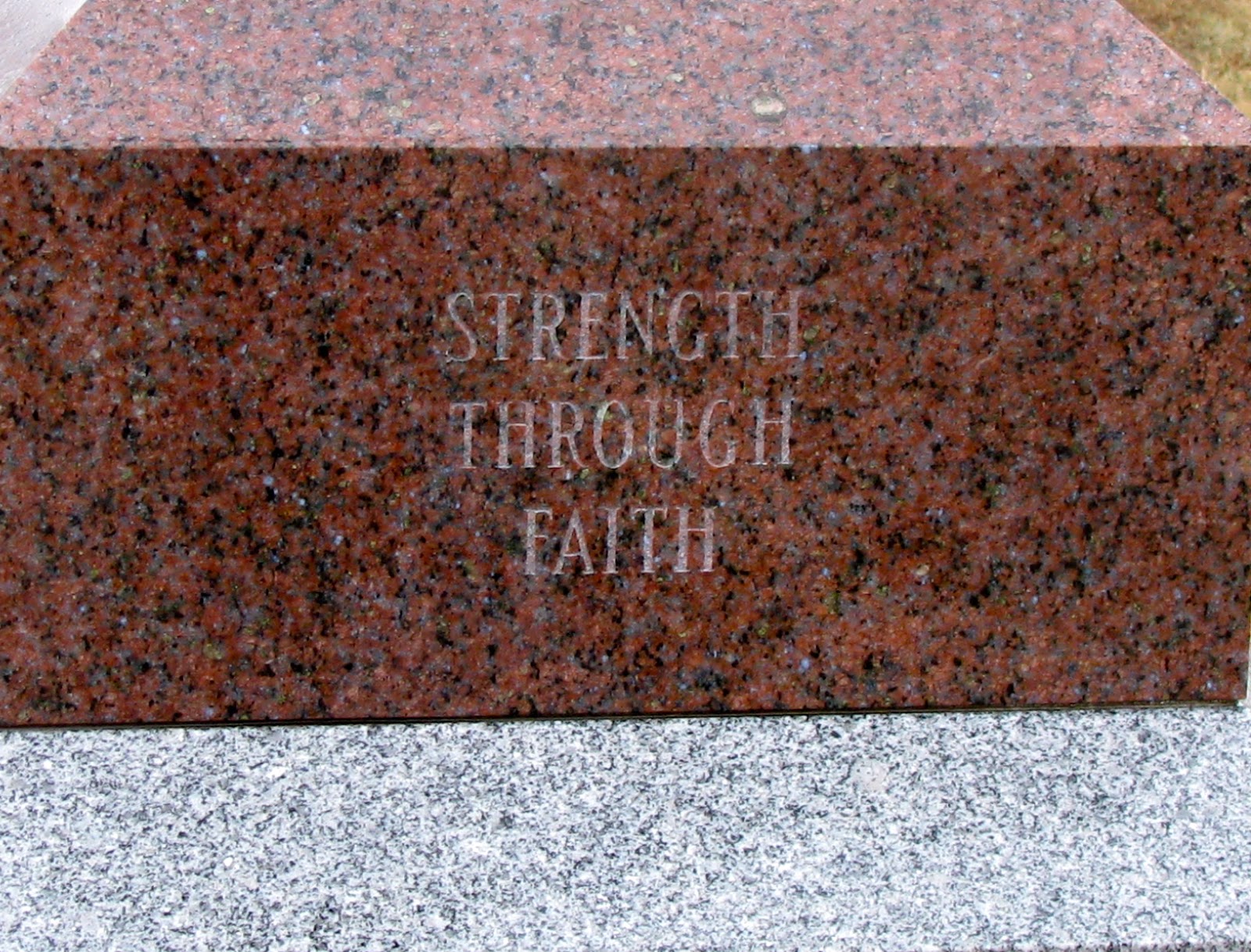 |
| Strength through faith |
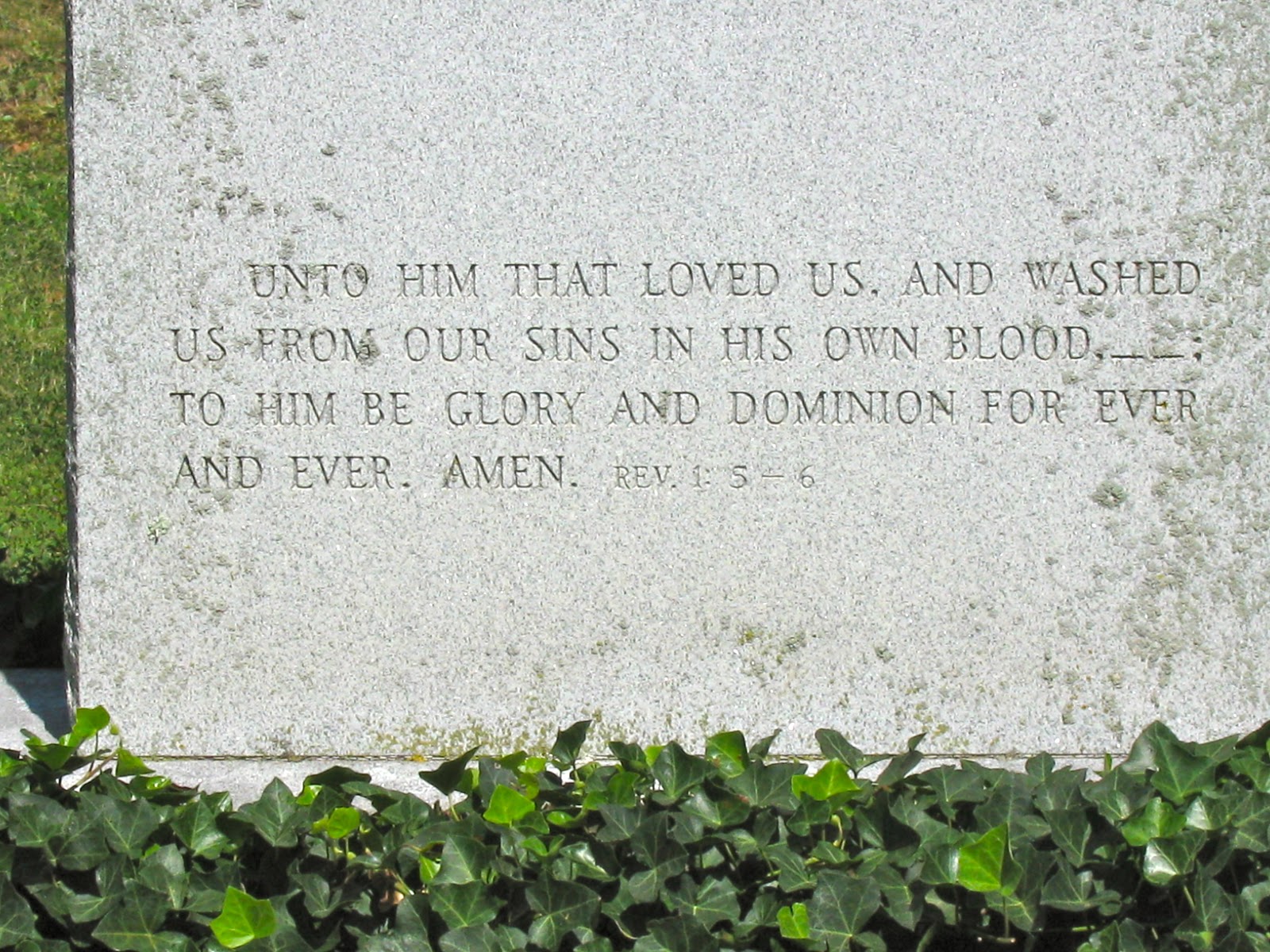 |
| Unto him that loved us and washed us from our sins in his own blood – – to him be the glory and dominion for ever and ever. Amen. Rev. 1: 5-6 |
Loving
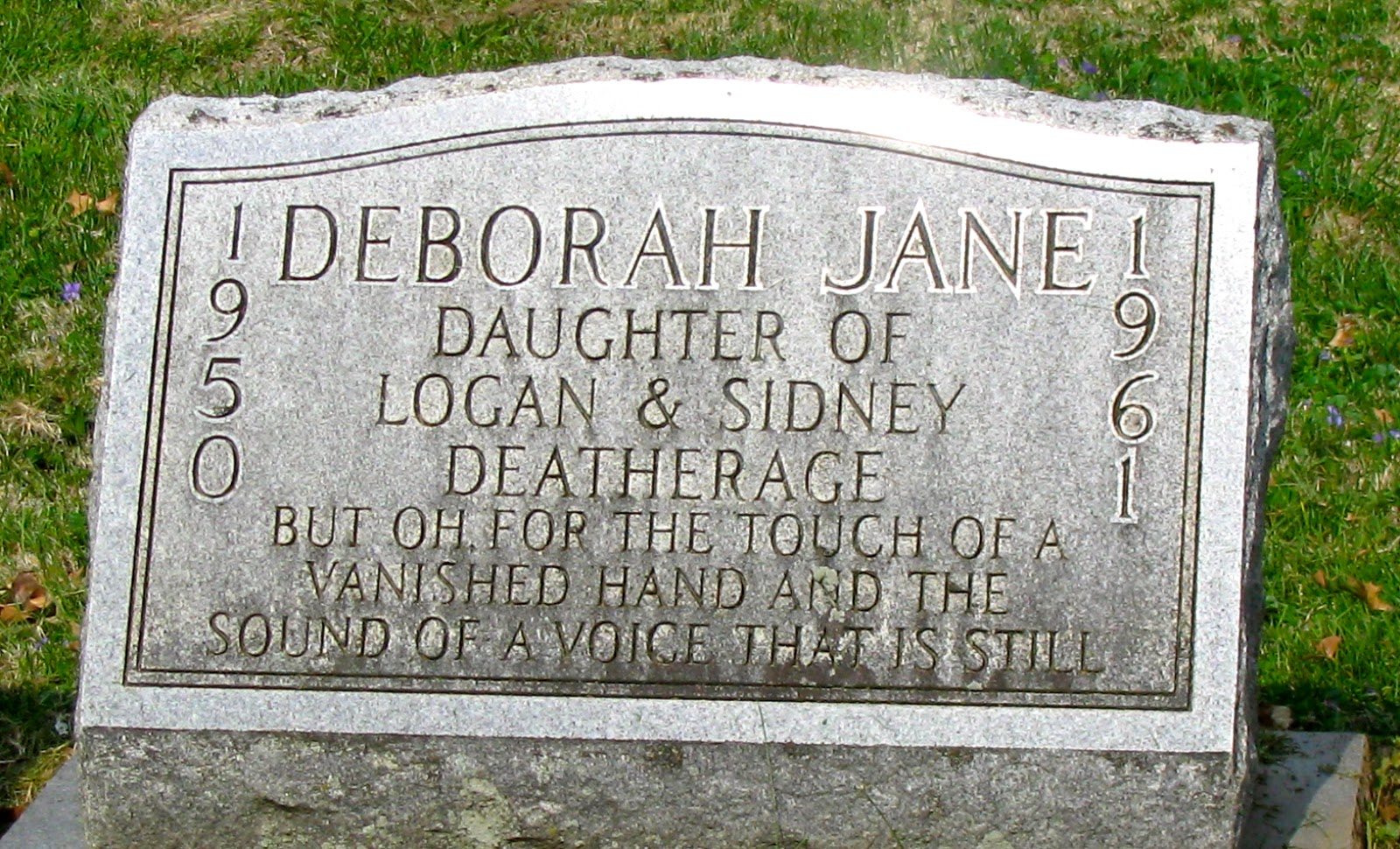 |
| But, oh for the touch of a vanished hand and the sound of a voice that is still |
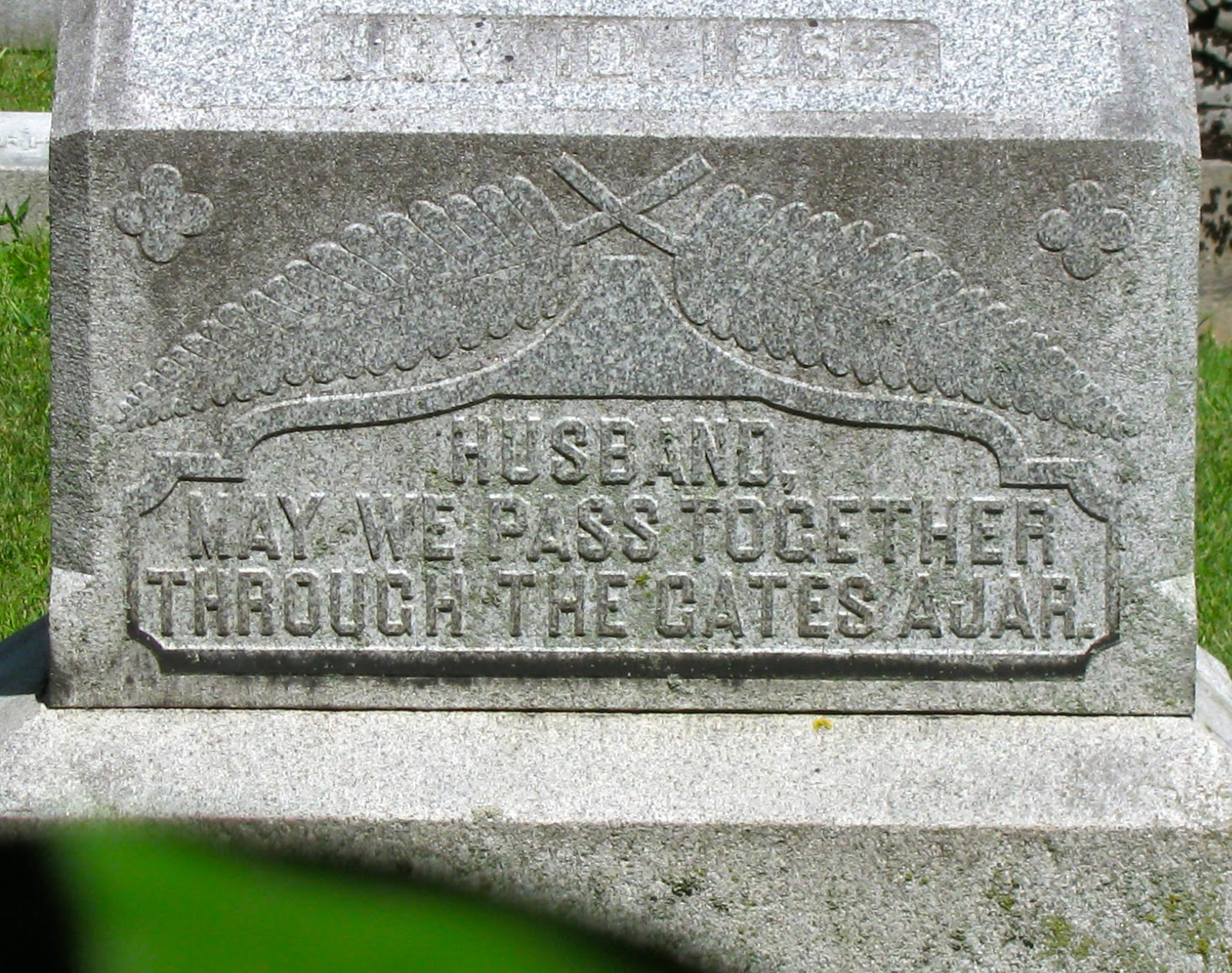 |
| Husband, may we pass together through the gate ajar. |
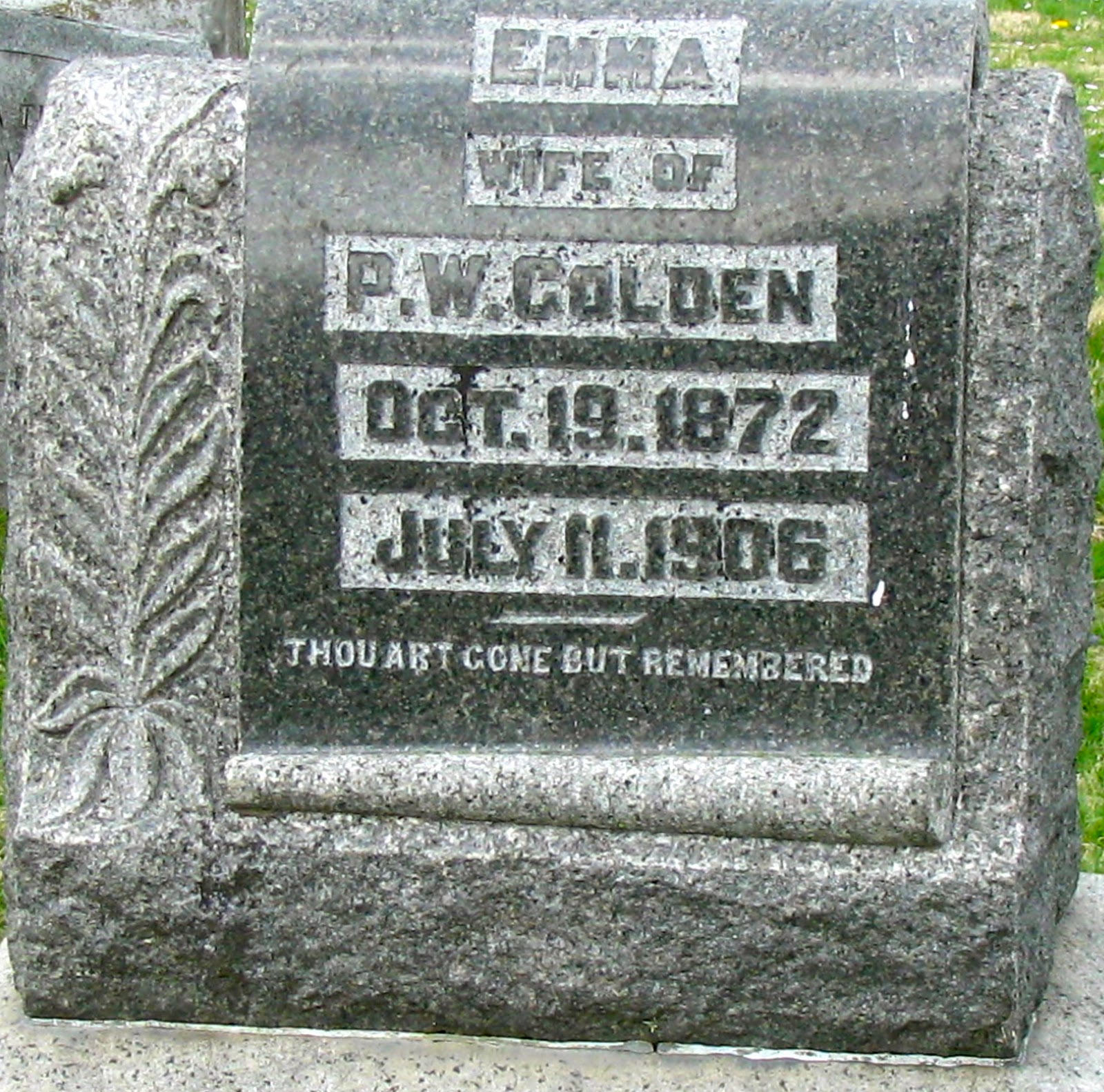 |
| Thou art gone but remembered |
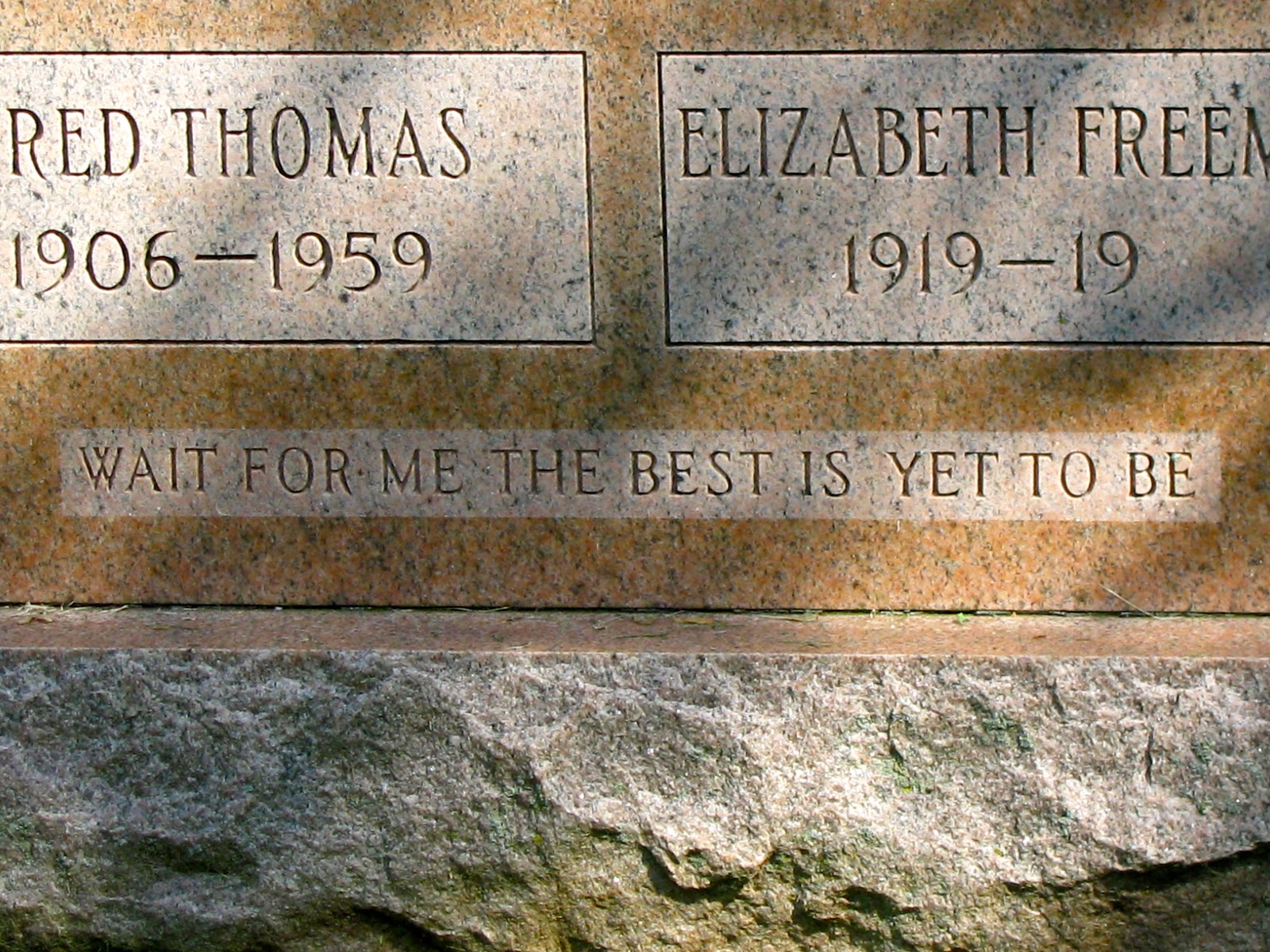 |
| Wait for me, the best is yet to be |
Inspirational
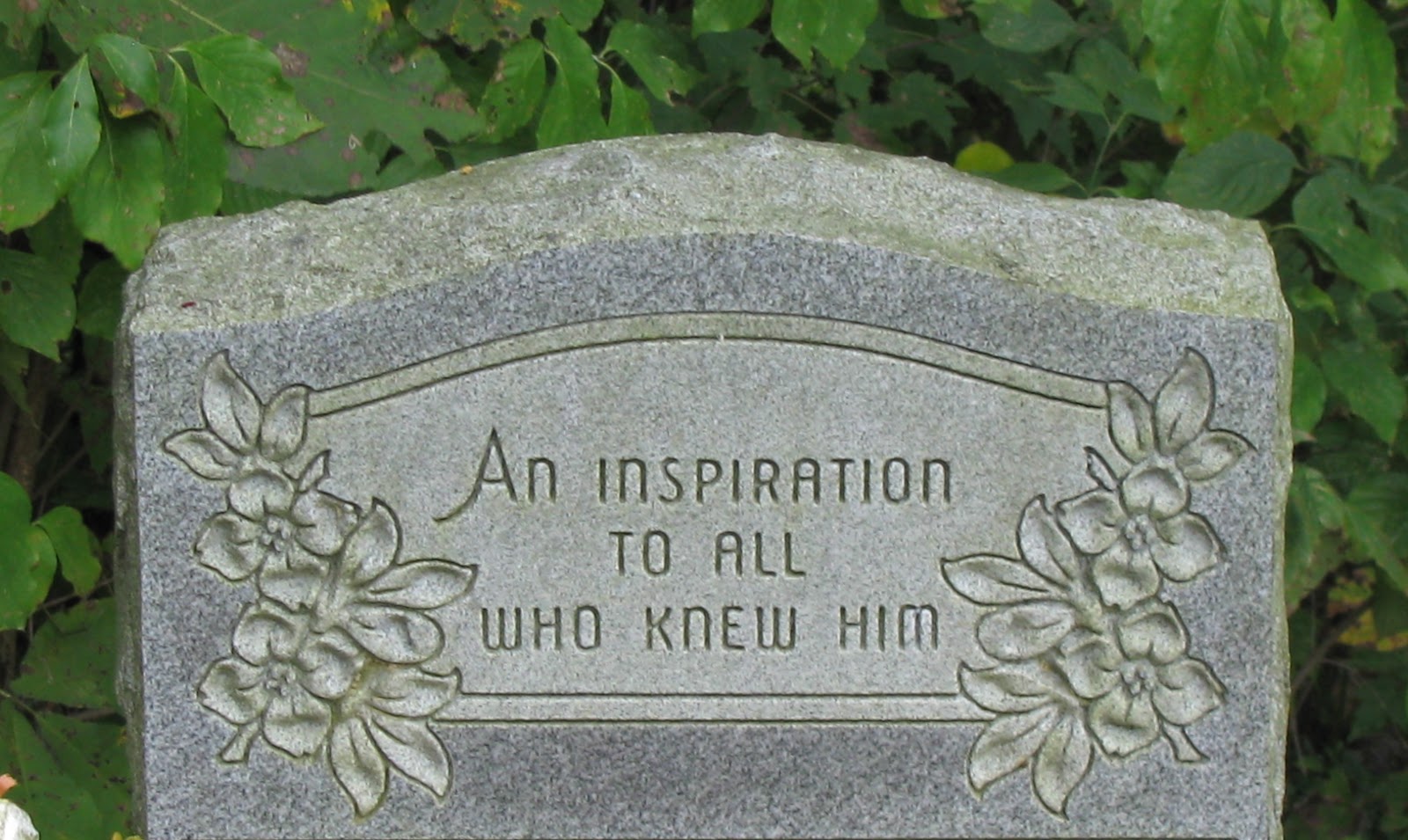 |
| An inspiration to all who knew him |
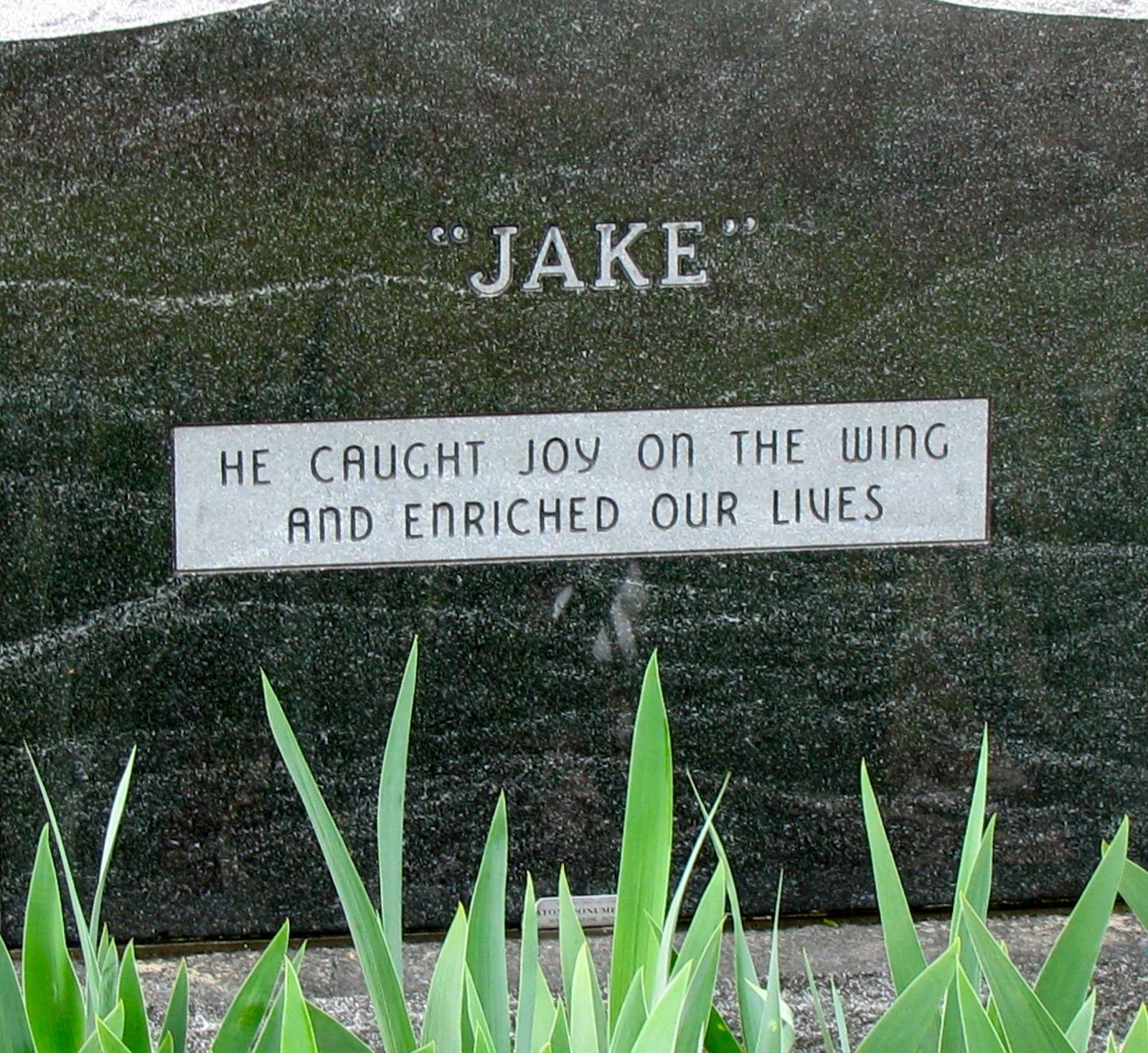 |
| He caught joy on the wing and enriched our lives |
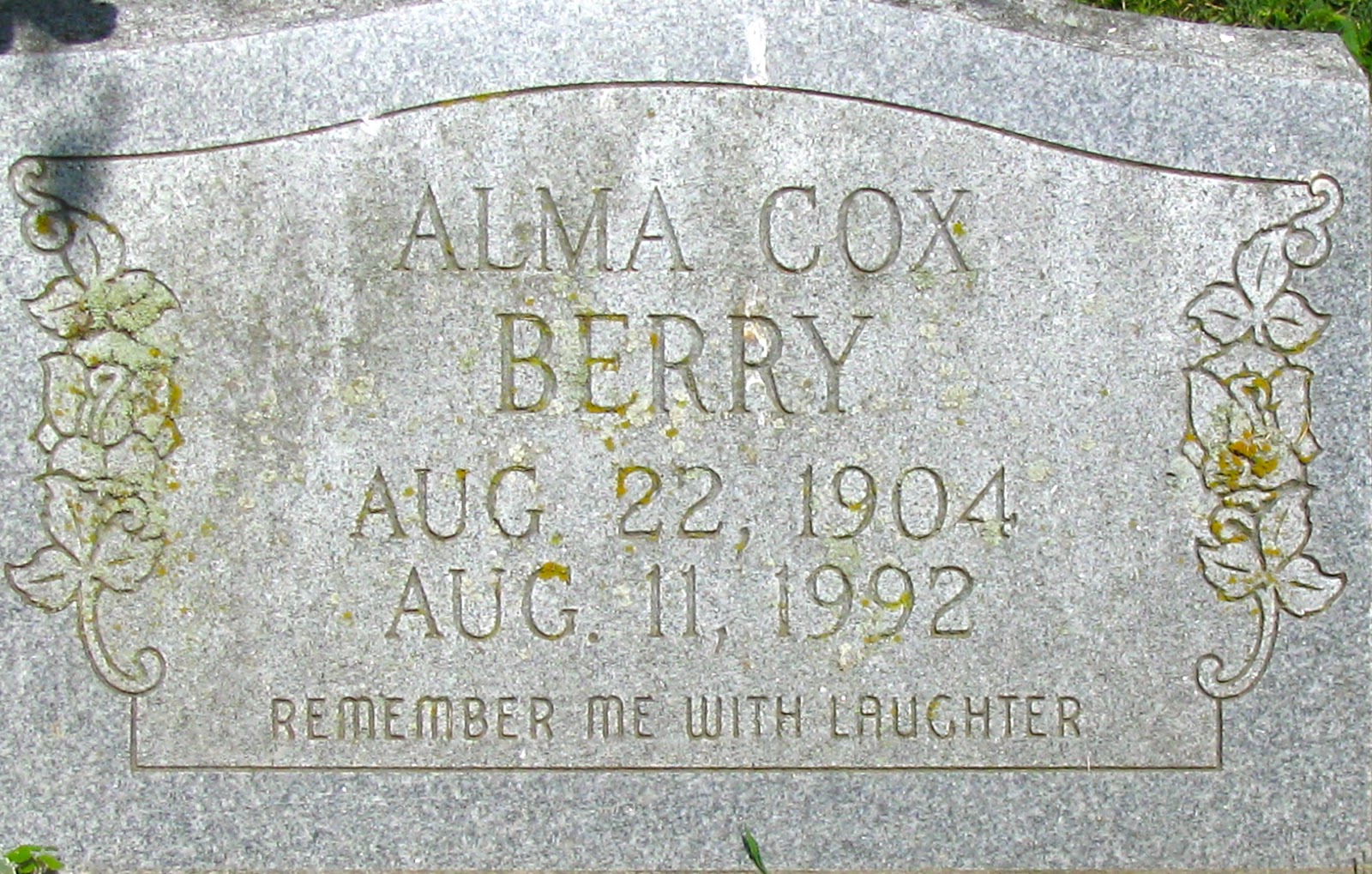 |
| Remember me with laughter |
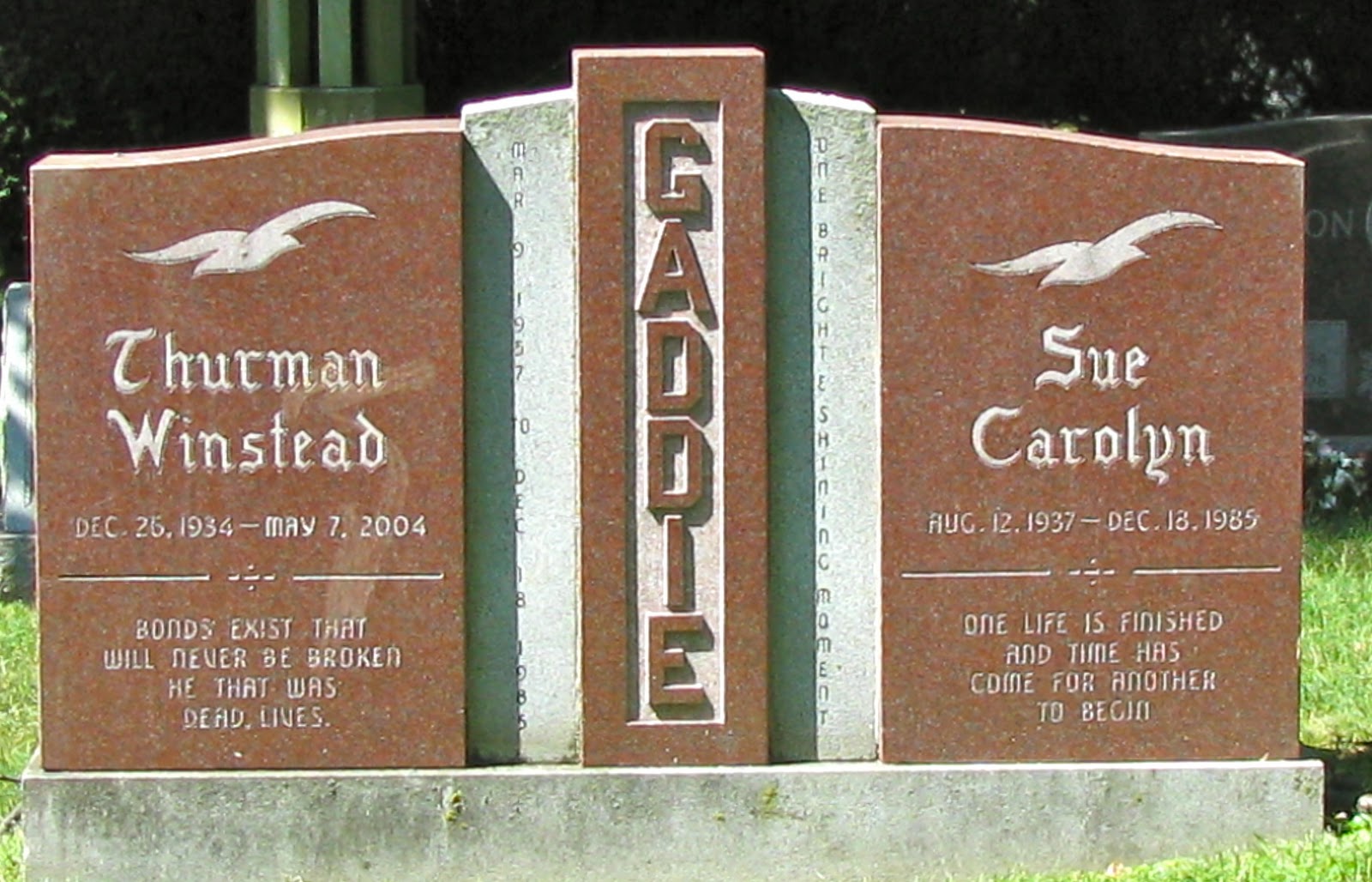 |
| Two epitaphs on this couples stone. His: Bonds exist that will never be broke. He that was dead, lives. Hers: One life has finished and time has come for another to begin |
Tributes
 |
| He was faithful to every duty |
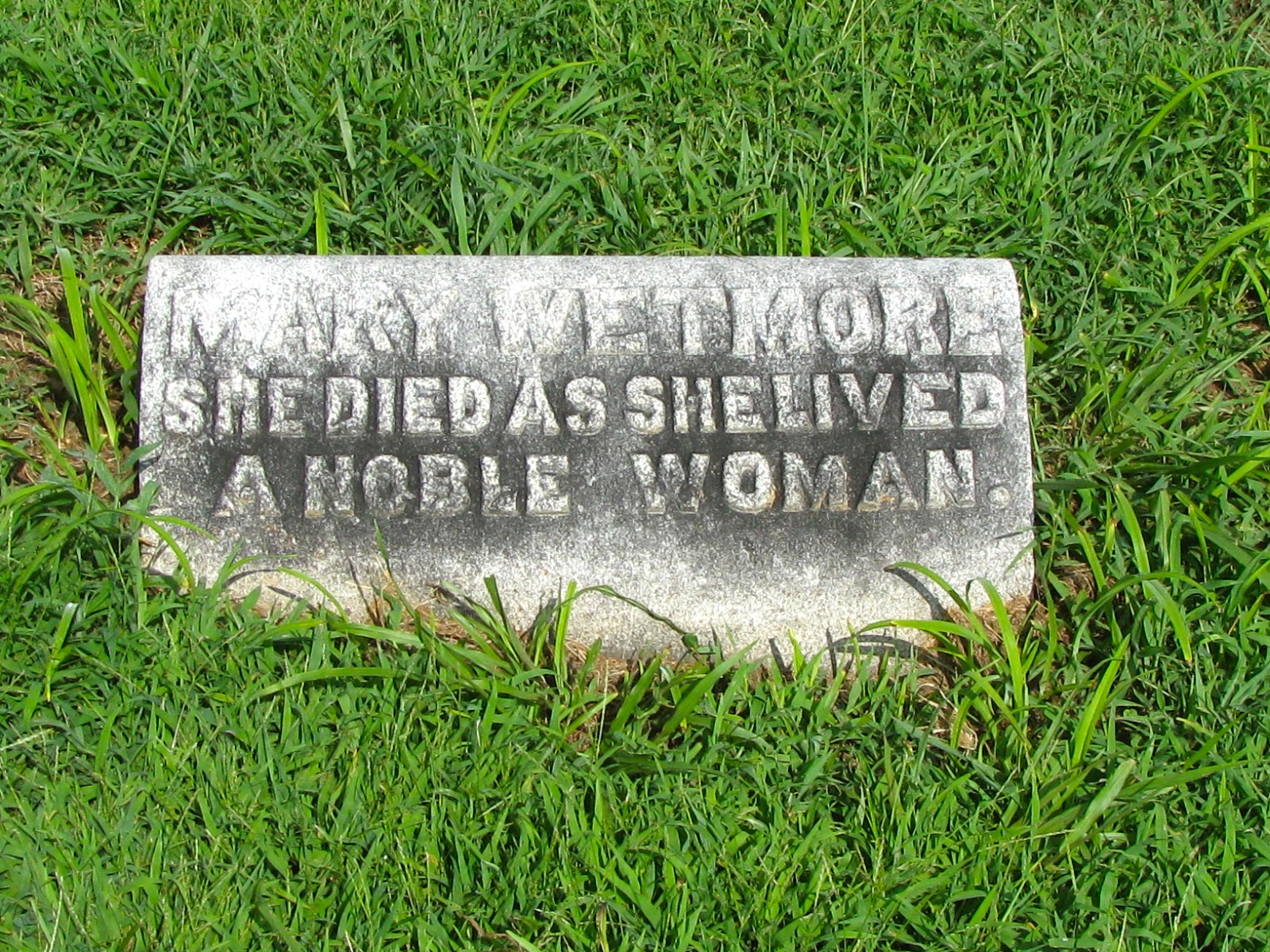 |
| She died as she lived, a noble woman. |
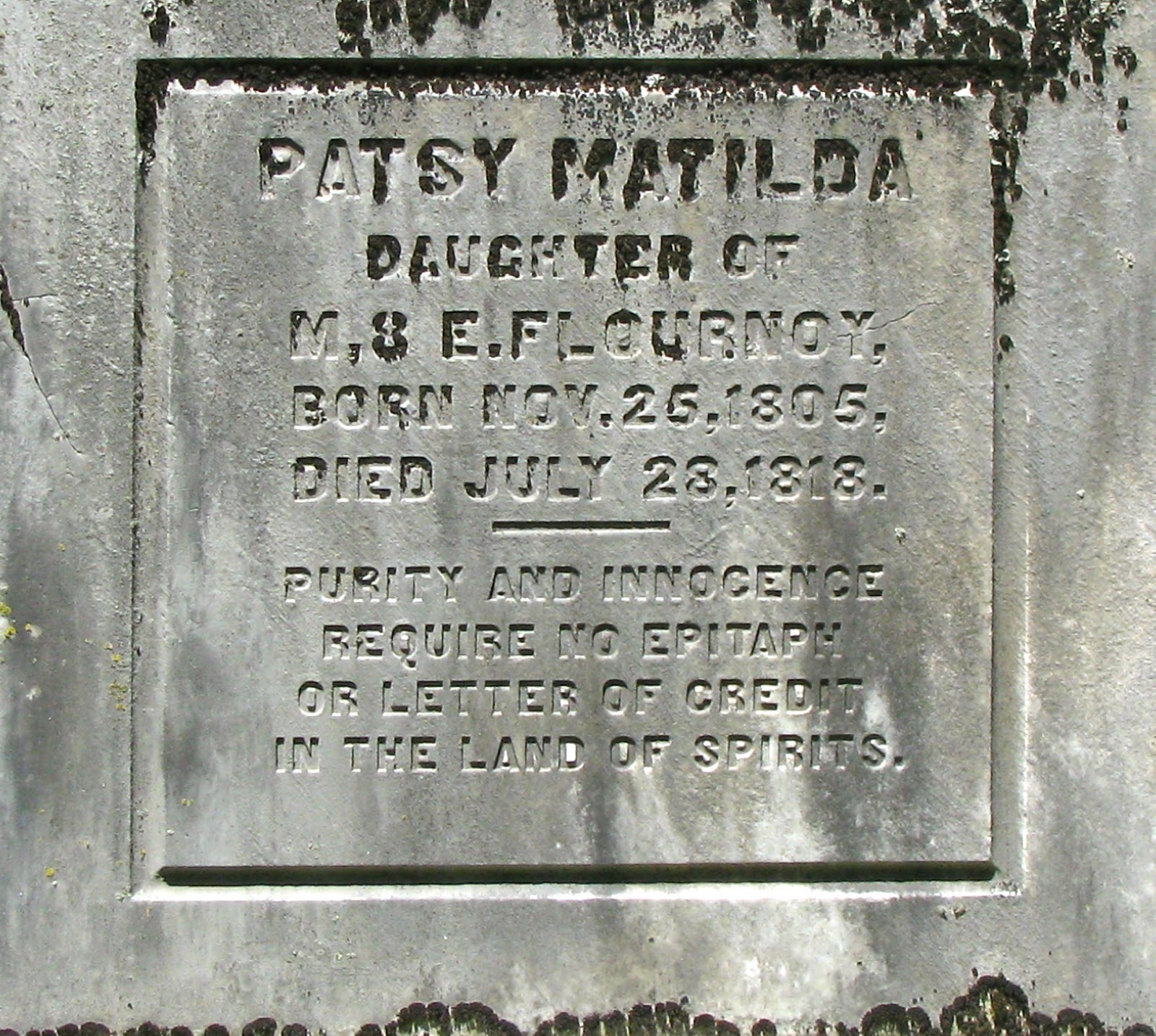 |
| Purity and innocence require no epitaph or letter of credit in the land of spirits |
 |
| Her beautiful face was heaven’s mirror. Her heart a sanctuary of prayer and love; With duty fulfilled and faith unfaltering, The noble spirit entered the court above. |
 |
| Our Crown Jewel |
Philosophical
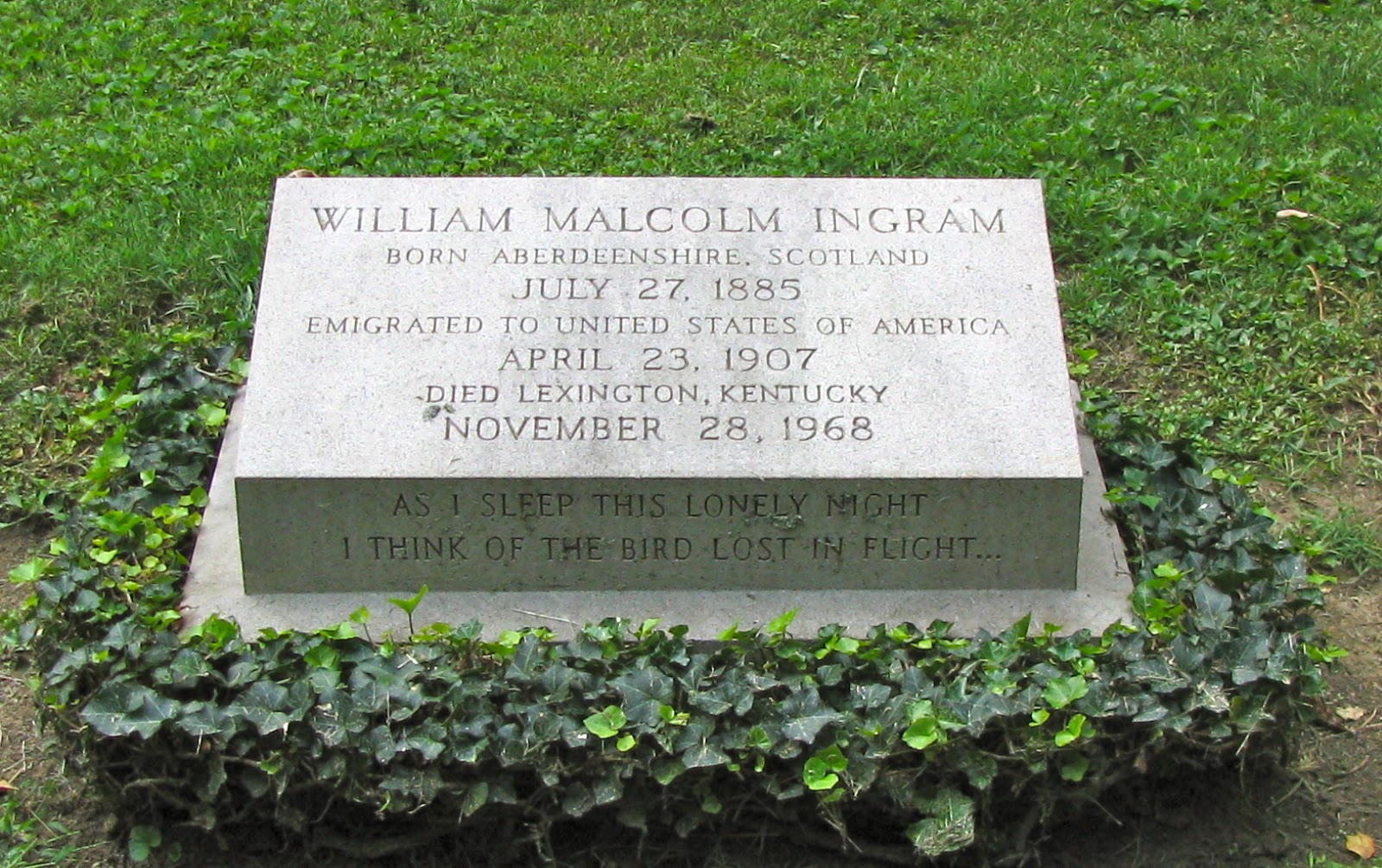 |
| As I sleep this lonely night, I think of the bird lost in flight… |
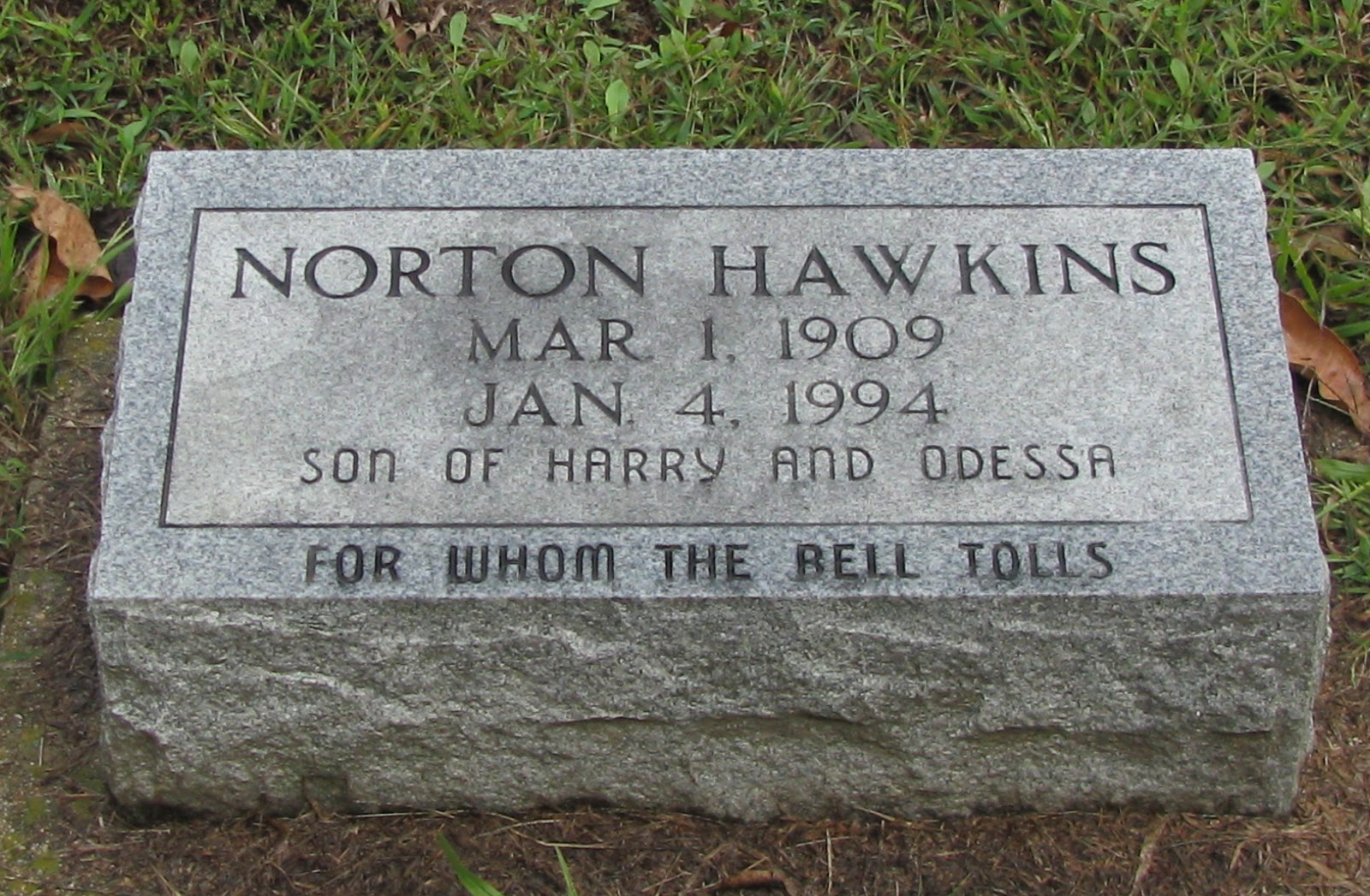 |
| For Whom the Bell Tolls |
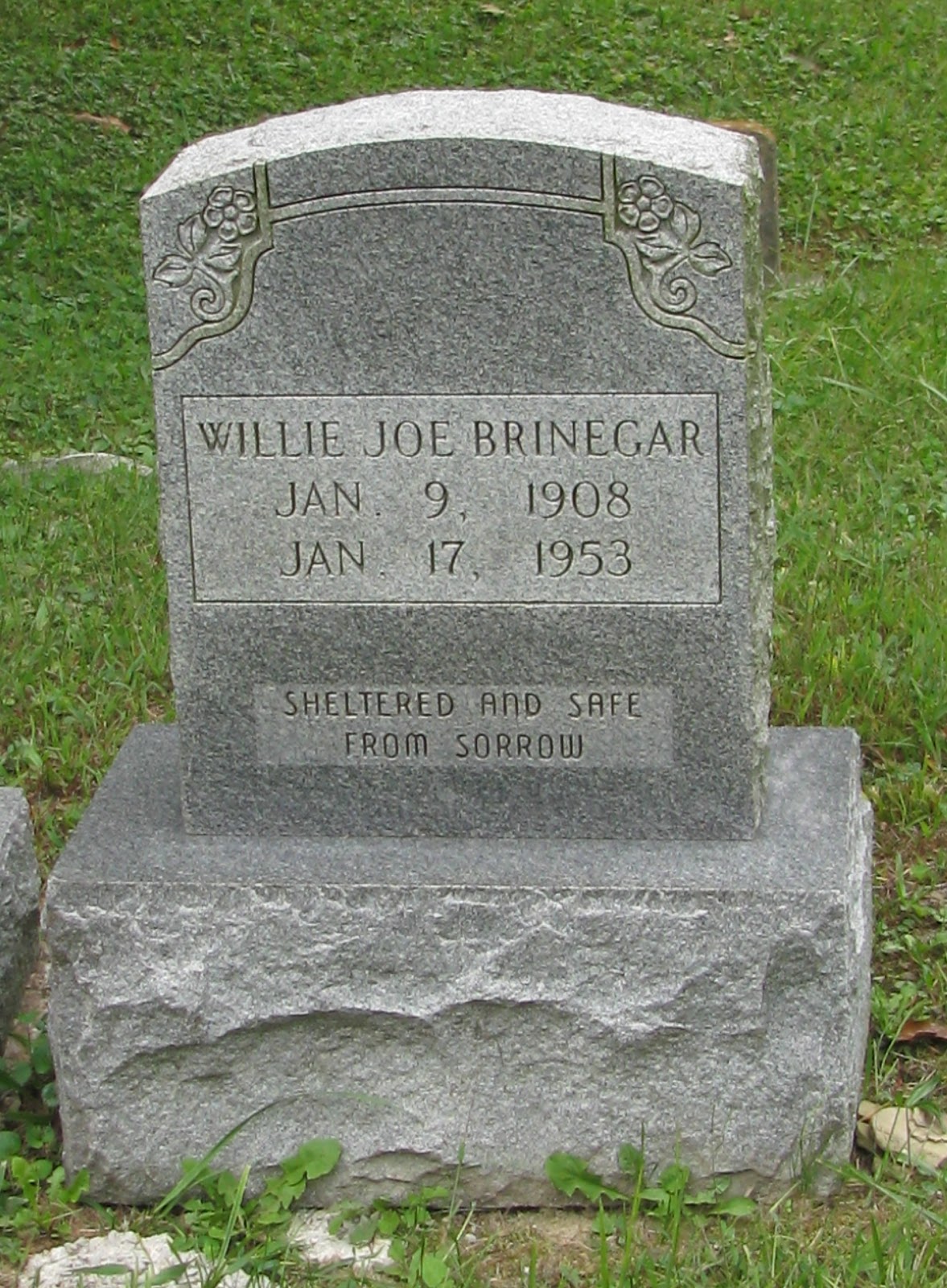 |
| Sheltered and safe from sorrow |
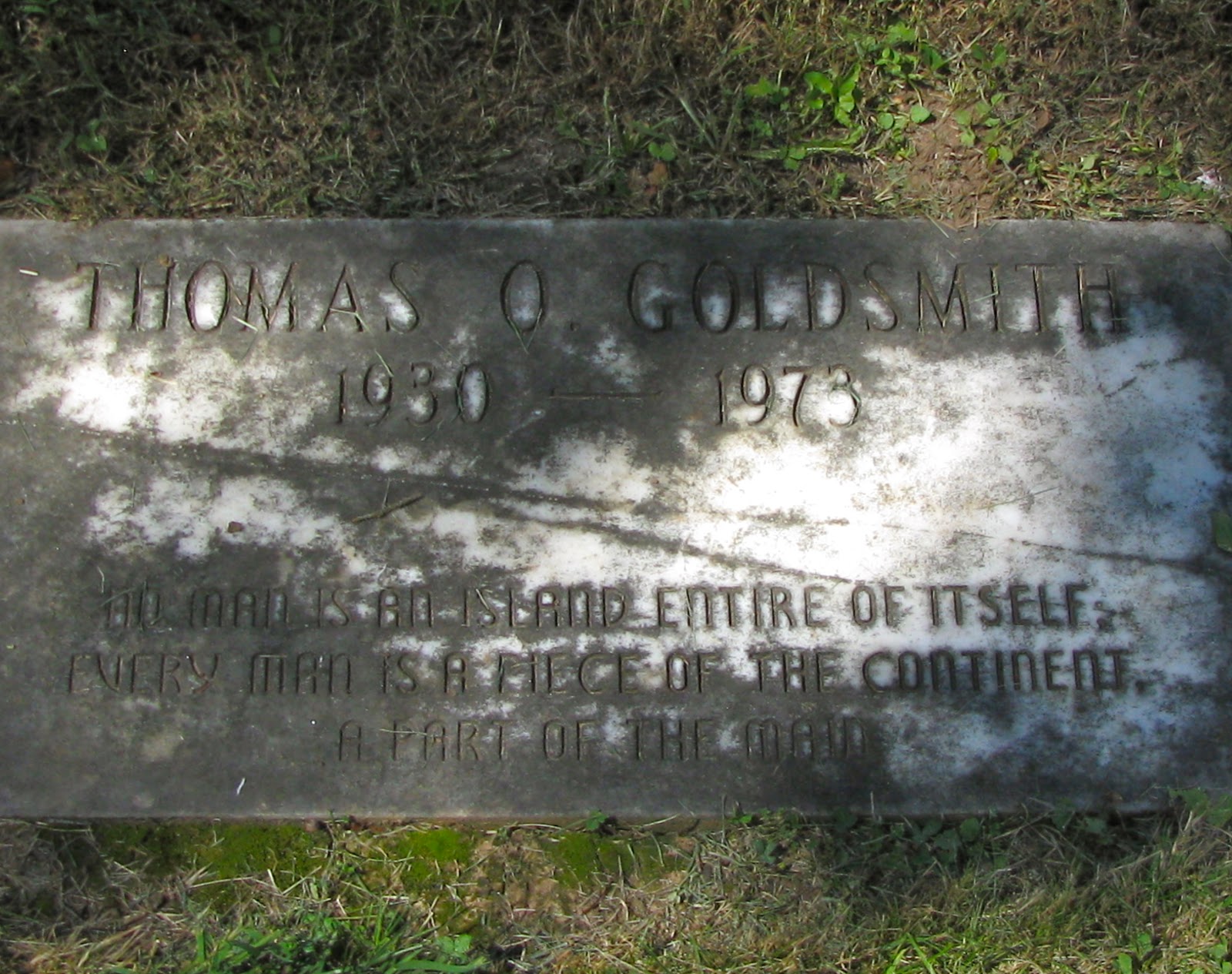 |
| No man is an island entire of itself, Every man is a piece of the continent, A part of the main |
Poems
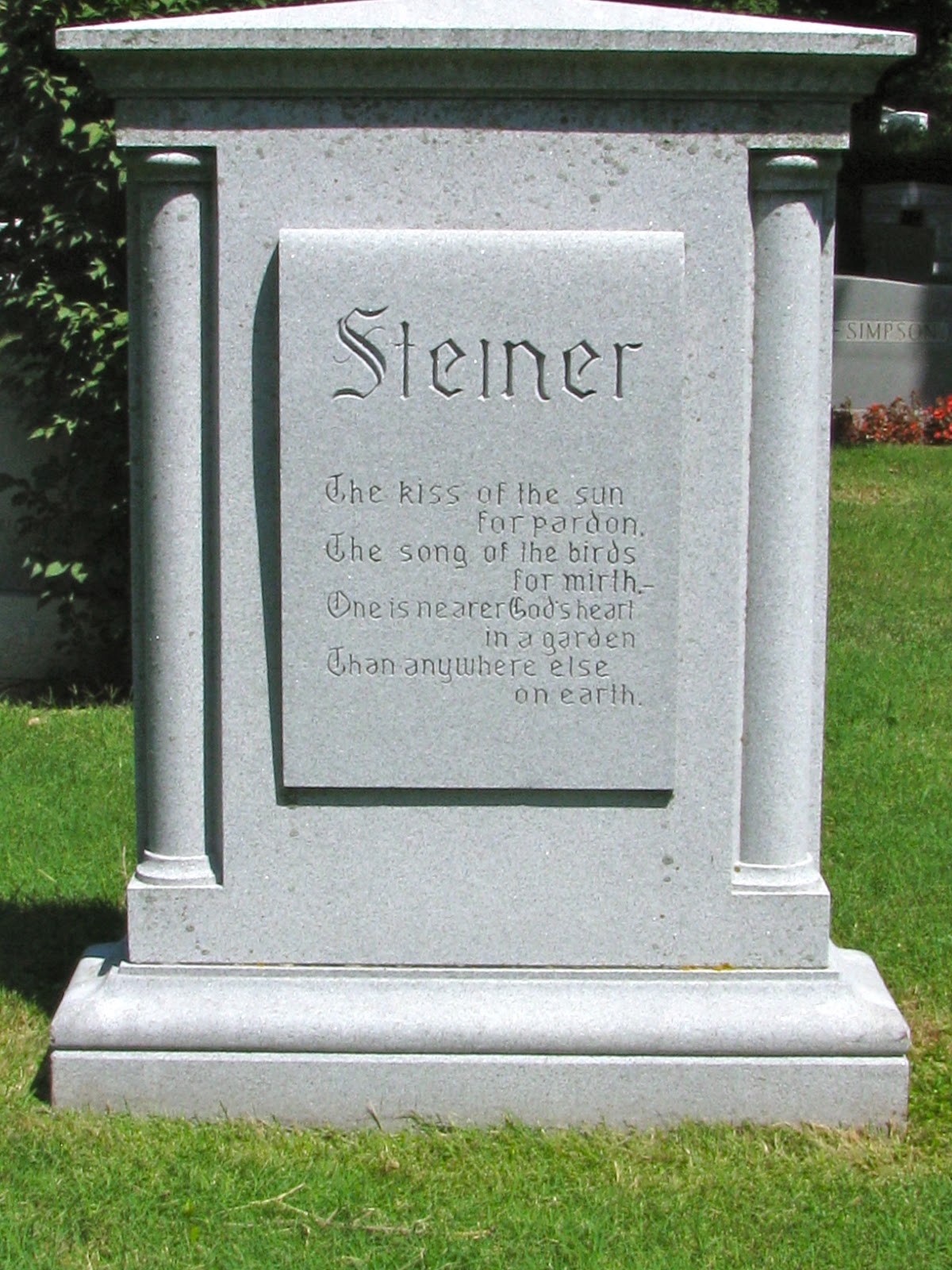 |
| The kiss of the sun for pardon, The song of the birds for mirth, One is nearer God’s heart in a garden Than anywhere else on earth. |
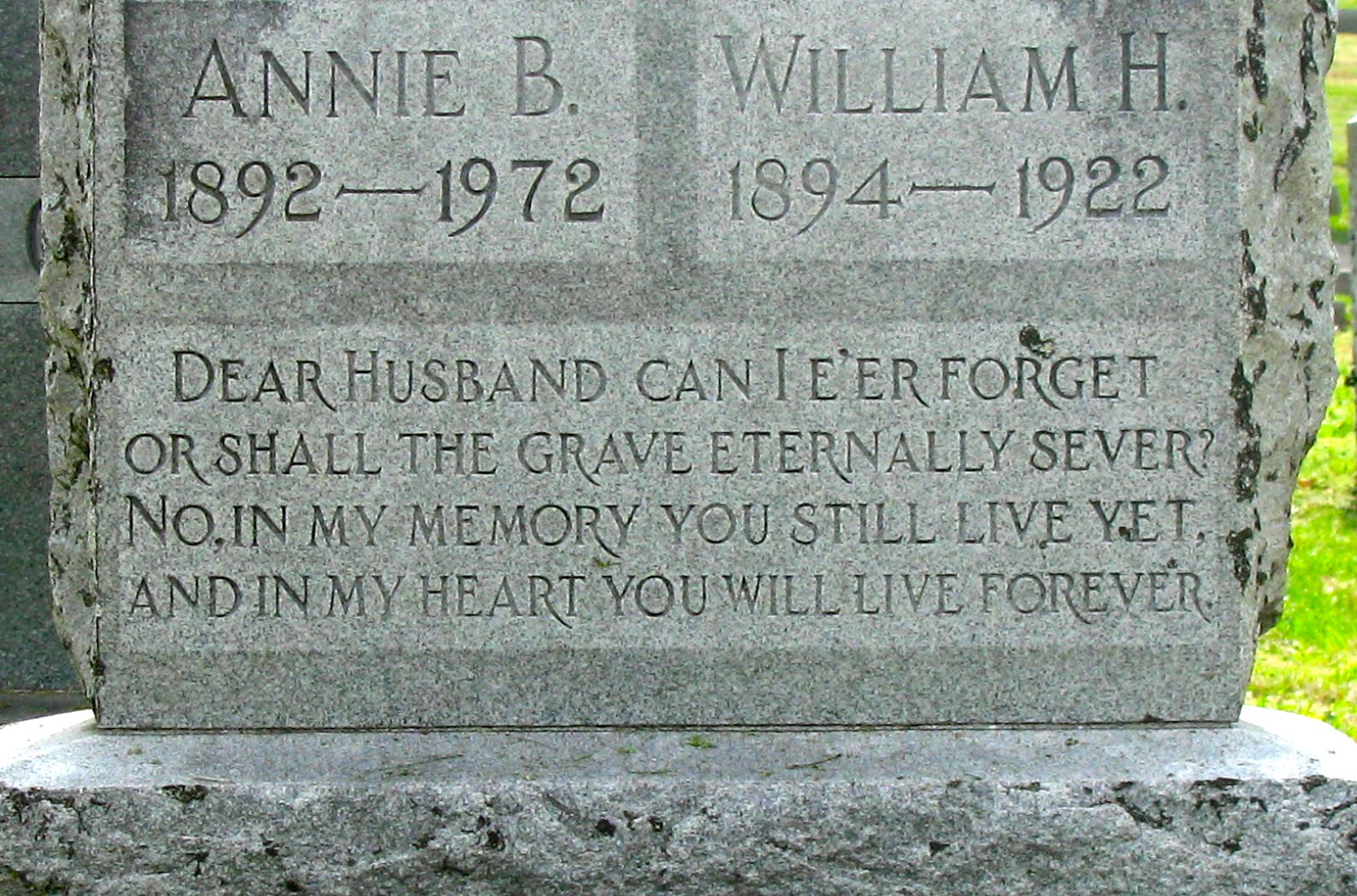 |
| Dear Husband Can I e’re forget, Or shall the grave eternally sever? No, in my memory you still live yet. And in my heart you will live forever. |
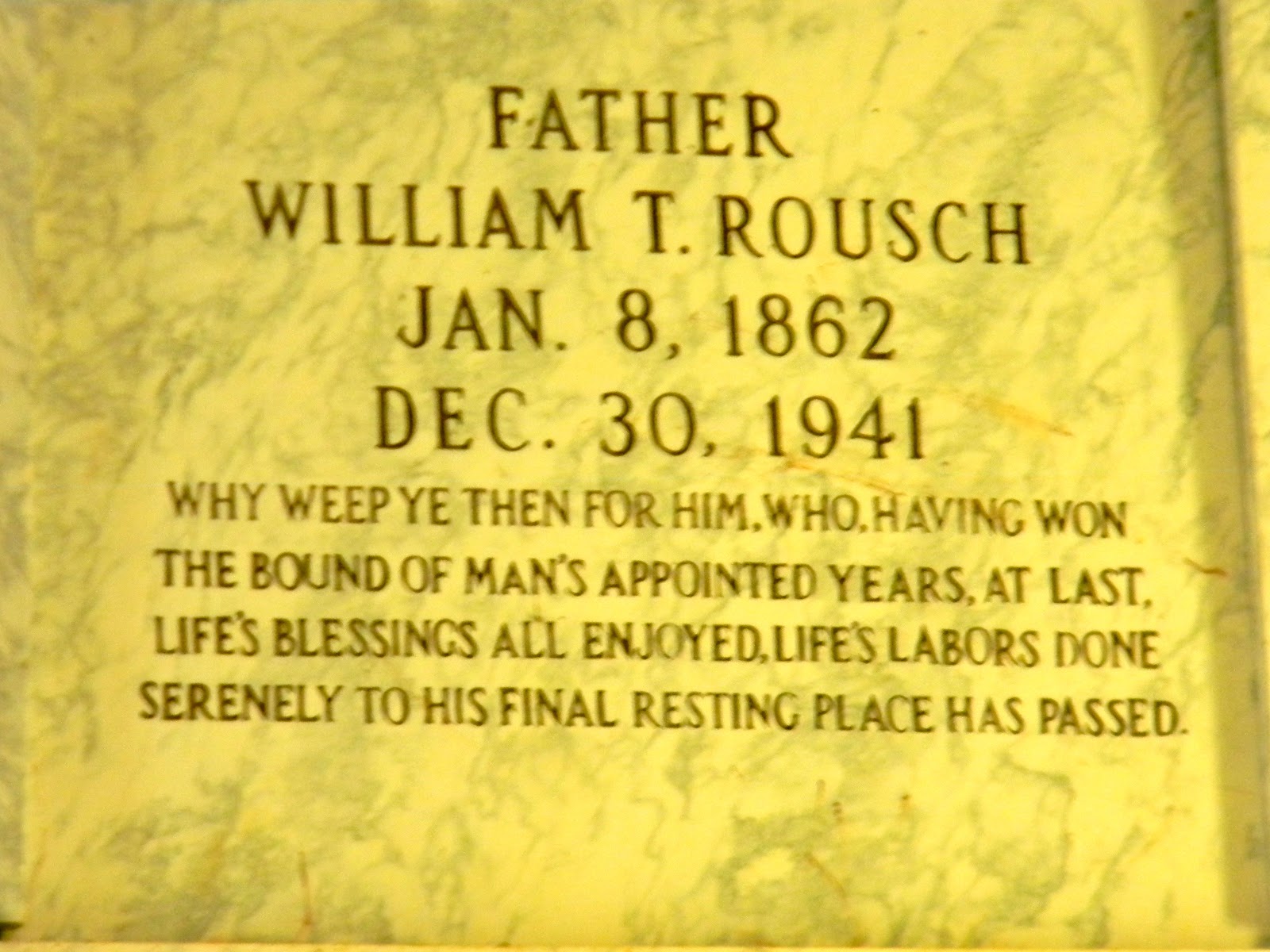 |
| Why weep ye then for him, who, having won The bound of man’s appointed years, at last, Life’s blessings all enjoyed, Life’s labors done Serenely to his final resting place has passed. |
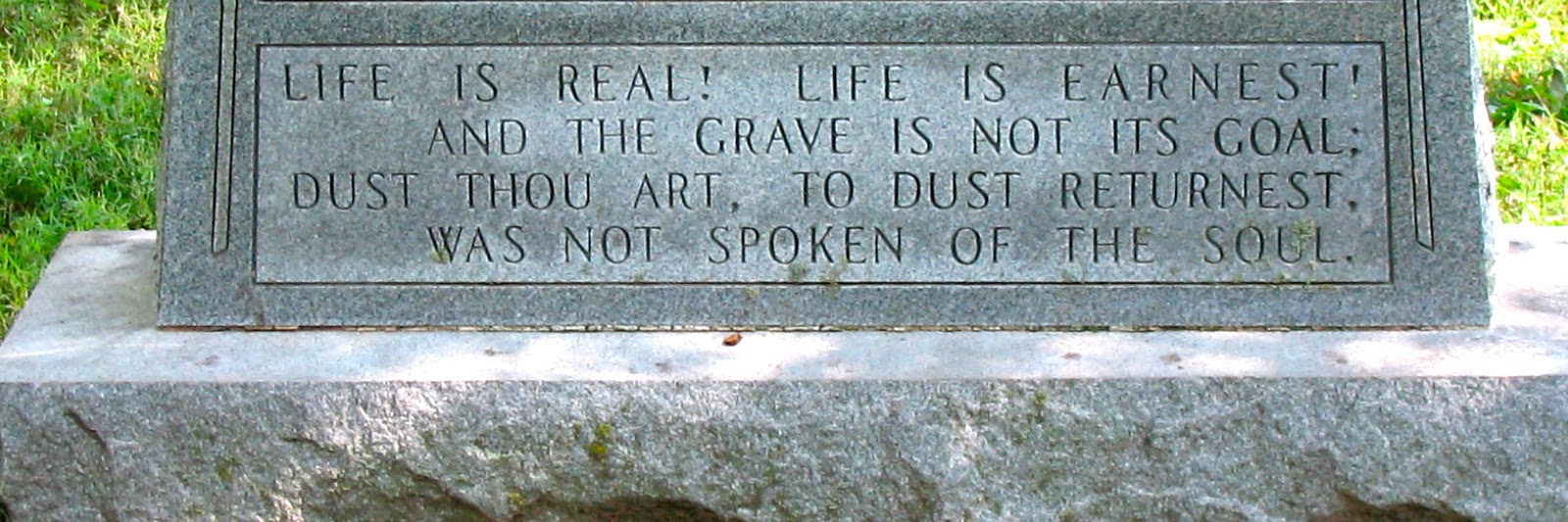 |
| Life is real! Life is earnest! And the grave is not its goal; Dust thou art to dust returnest, Was not spoken of the soul. |
Normal
0
0
1
16
92
1
1
112
11.1539
0
0
0
These
are just some examples of the many different types of epitaphs. So what would you choose for yours?
are just some examples of the many different types of epitaphs. So what would you choose for yours?
~
Joy
Joy