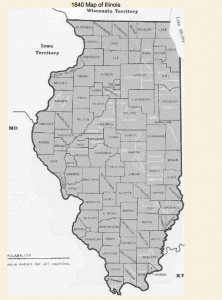
 |
| Good Samartain Restoration Team |
On
a recent, hot July afternoon, a group made up of nine volunteers began work on
restoring two of the most controversial cemeteries in Illinois – Hickory Hill
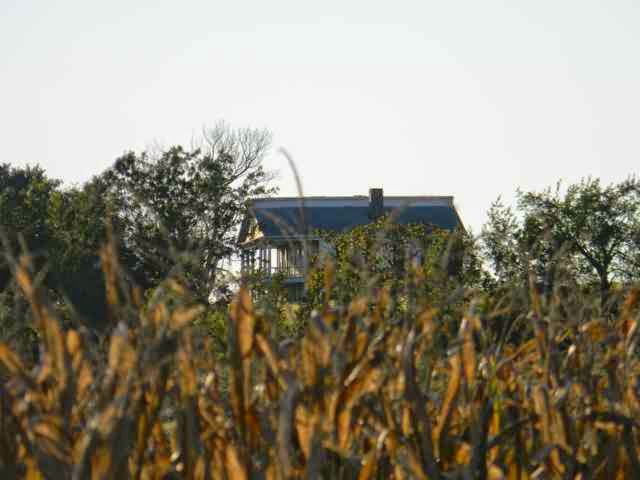
and Lawler. The cemeteries are located side by side within sight of the old
Crenshaw place, better known as the Old Slave House.
 |
| Gallatin County |
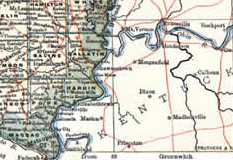
Located
in Gallatin County, near Equality, Illinois, these cemeteries are the final resting
places of several members of the Crenshaw and Lawler families including John
Hart Crenshaw, a key figure on the reverse
Underground Railroad. Lawler Cemetery was named after Crenshaw’s
son-in-law, Civil War General Michael Kelly Lawler.
 |
| John Hart Crenshaw |
 |
| Slave Auction |
John
Hart Crenshaw was a southern Illinois resident who became deeply involved in the slave trade
during the 1820’s; he was charged several times with kidnapping during this
time. Crenshaw became an actual slave trader in 1827. The first documented case against him
involved a black indentured servant named Frank Granger whom Crenshaw kidnapped
and took to Kentucky in 1828. The second
kidnapping case followed on the heels of the first and involved a free black
woman named Lucinda and her two children.
Crenshaw kidnapped the three and took them to Barren County, Kentucky in
1828 to be sold into slavery.
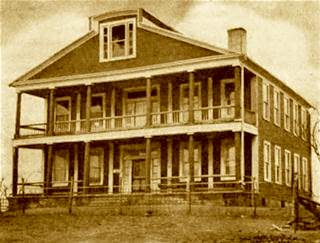
In
1829, Crenshaw and his brother, Abraham, bought the land where the Old Slave House
would be built and broke ground in 1834. The house was finished in 1838. Crenshaw
claimed the house was built for his wife, Sinia Taylor Crenshaw and their five
children, but it was also used as a holding station for kidnapped free blacks
before they were sent “down the river” and into slavery in the south. With
Kentucky (a slave state) just across the river, it was easy to do.
 |
| Whipping Post |
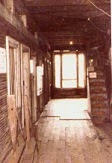
The
first and second floors of the house were furnished with European artwork and
furniture, the third floor was constructed of thicker walls with over a dozen
cells, about the size of horse stalls, all equipped with heavy metal rings and
chains. A whipping post was located at either
end of the hallway next to the windows which provided the only light and air
into the attic.
 |
| 3rd Floor of the Old Slave House |
A
secret wagon entrance was built in the back of the house where covered wagons
carrying kidnapped blacks and indentured whites would drive directly in. Then
those kidnapped would be taken up the back stairs to the third floor attic
where they were imprisoned in cells, tortured, raped, whipped, and sometimes
murdered.
 |
| Saline River |
 Crenshaw
created a reverse Underground
Railroad in Illinois. He and his hired men would capture free blacks from the
North and smuggle them across the river into Kentucky where they would be
“sold down the river” into slavery in
the southern states. Crenshaw even devised a slave-breeding program in the attic. A slave named Uncle Bob was used as the stud
breeder to provide Crenshaw with more “cargo” to sell off down south.
 |
| Burning of Mill |
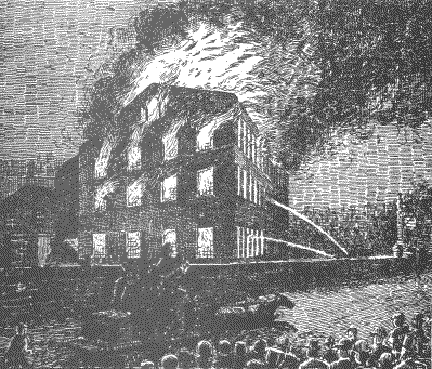
Crenshaw
was finally indicted in 1842 for the kidnapping of Maria, his cook, and her
seven children. Because of his clout and
financial standing in the community, he was found not guilty. But people in the area began to talk and suddenly
Crenshaw’s methods were being questioned.
His mill was burned and his standing as an upright and moral man in the
community was waning. Business in the
salt works he owned began to decline as more profitable salt was discovered in
Ohio and Virginia. Crenshaw watched as his empire dwindled.
 |
| Old Slave House |
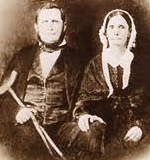 |
| John & Sinia Crenshaw |
Crenshaw
died December 4, 1871, his wife, Sinia, in 1881. Both were buried in the tiny, joined
cemeteries of Hickory Hill and Lawler, located within sight of their former mansion.
The cemetery was avoided by most and eventually fell into disrepair. It seemed
a fitting note that Crenshaw’s stone was toppled off of its pedestal and was
left laying flat in the ground for years.
 Then in
December 2000, the State of Illinois acquired the house and two acres of land
from George Sisk, Jr. In 2011, the Center for Archaeological Investigations at
Southern Illinois University in Carbondale finished their historical,
architectural and archaeological research and excavations of the property.
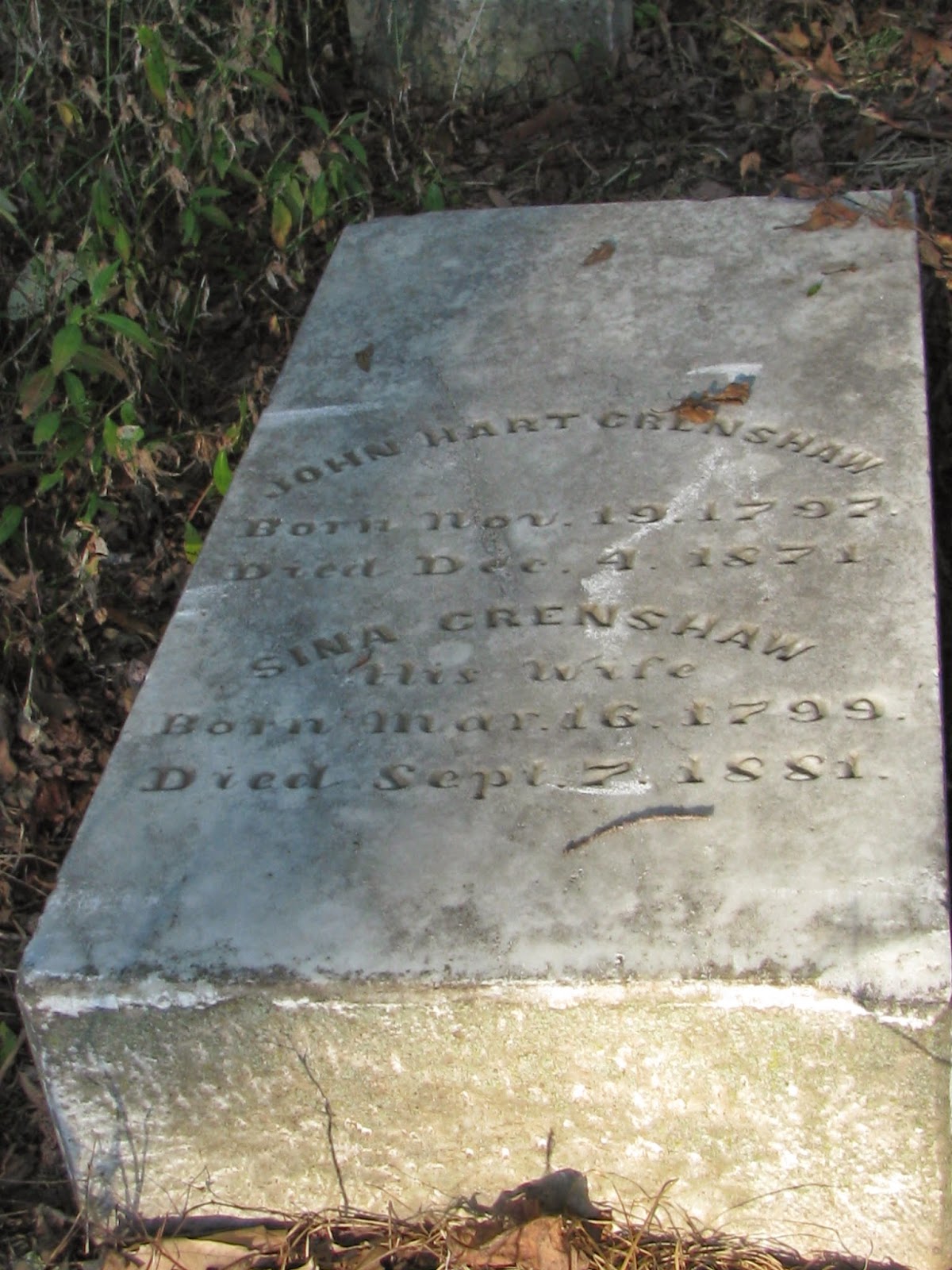 |
| Crenshaw’s Stone |
But
no one appeared to care about the cemeteries. Vandals had done a lot of damage to
the stones, and storms had wrecked havoc with falling limbs and uprooted trees.
 |
| Angie Johnson |
When
Angie Johnson, an Illinois native, found out that the cemeteries were in disrepair,
she and her 16-member Good Samaritans Restoration team decided to step in and request
permission to restore and preserve them. It took two years to get the paperwork
in order for the Illinois Historical Preservation Agency before the group could
begin but in 2013, Angie was granted permission to restore Hickory Hill and
Lawler Cemeteries.
 |
| Cleaning Stones |
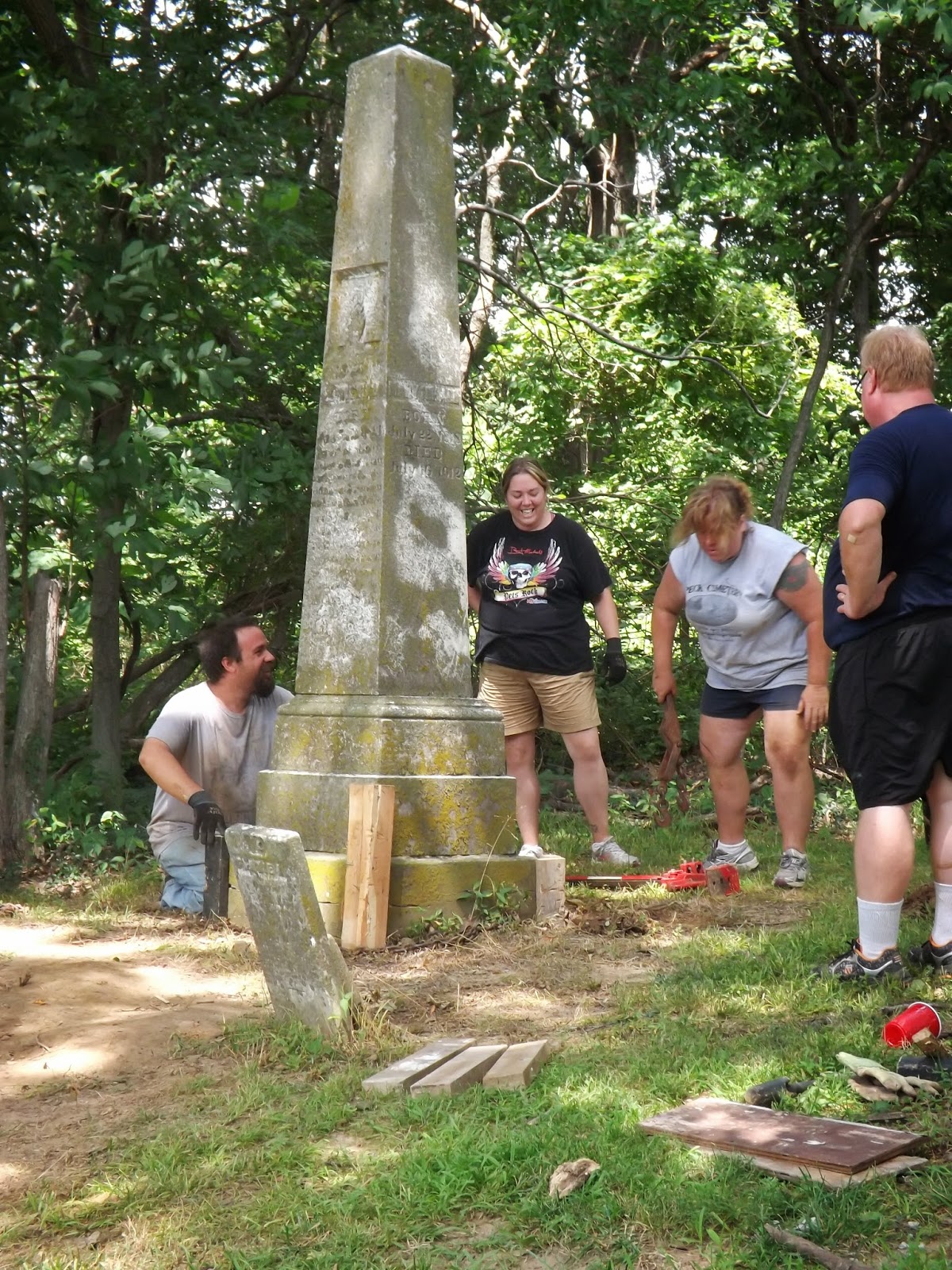
The
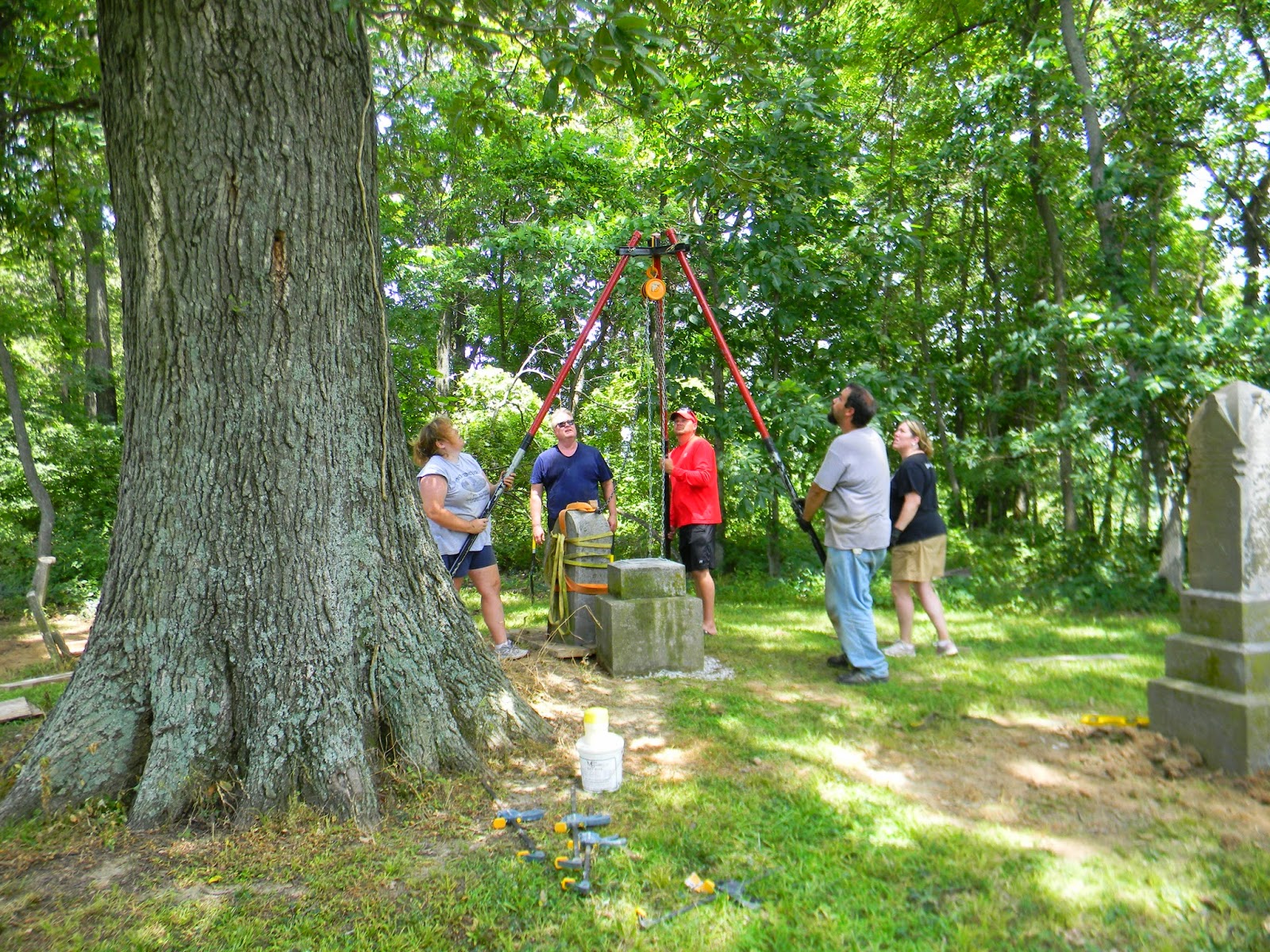
actual restoration took place this past July. There were about 35 stones in the
cemeteries and most needed some type of repair, restoration or cleaning. Angie and
her team took it all in stride, dividing up into groups to do stone cleaning, stone
repair, and the big jobs – replacing those monuments that had been toppled
over.
 |
| Hoisting a Stone in Place |
 |
| Placing the Stone on the Pedestal |
Taking two weekends, the group worked on leveling, repairing, and
hoisting monuments back in place.
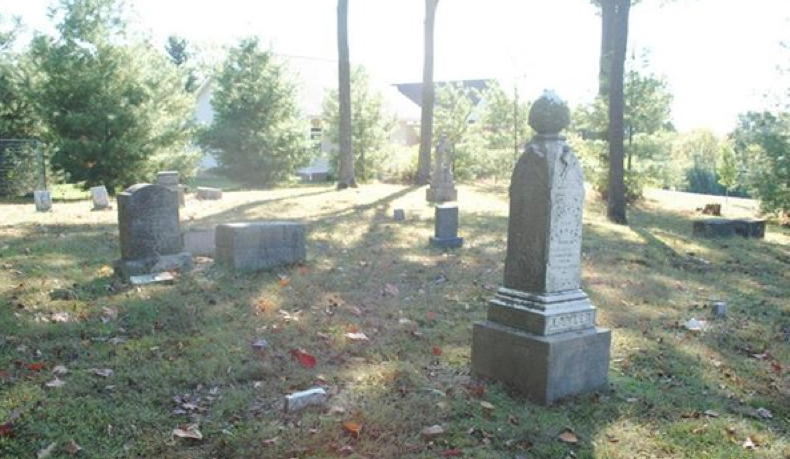 |
| Hickory Hill – Before |
When the team started the cemetery looked like this –
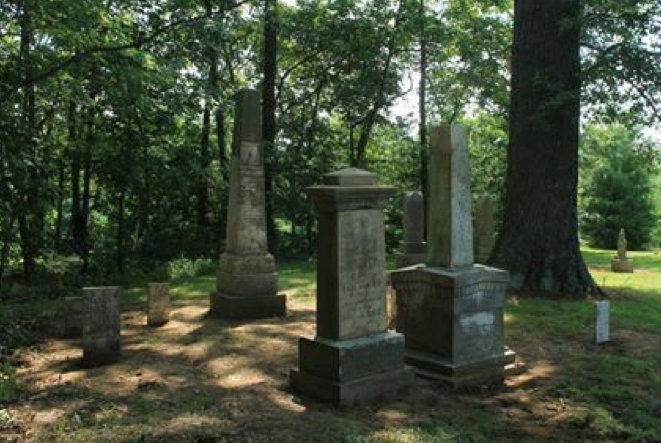 |
| Hickory Hill – After |
Today, the cemetery is back in shape, with straight, gorgeous monuments and stones; a beautiful cemetery that encourages visitors to linger, and once again, demands respect.
 |
| Paperwork for Hickory Hill |
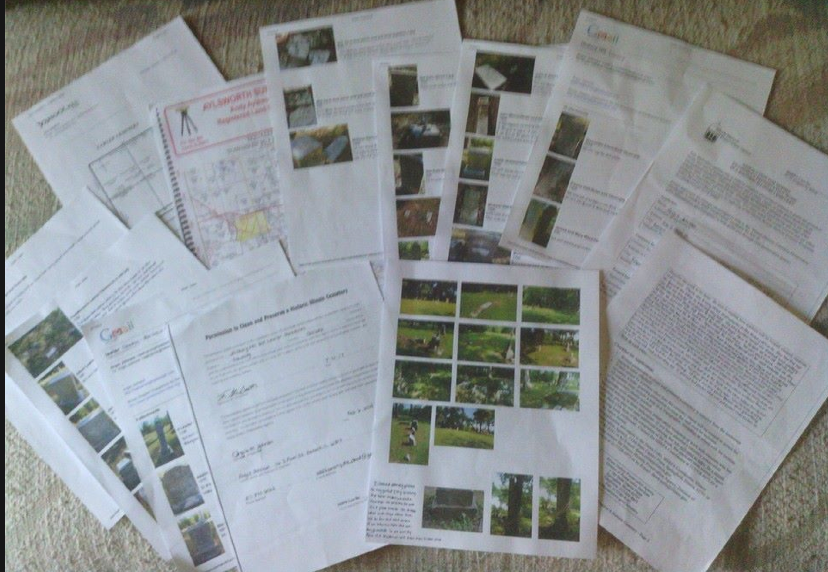
 |
| Good Samaritans Restoration |
Angie
took preservation classes through the Illinois Historical Preservation Agency,
learning how to do the restoration work, finding out about laws governing
cemeteries, and discovering how to fill out the mountains of paperwork required
to document the process. The Good Samaritans Restoration Group is made up of
volunteers who give their time freely to repair and restore cemeteries
throughout the state of Illinois.
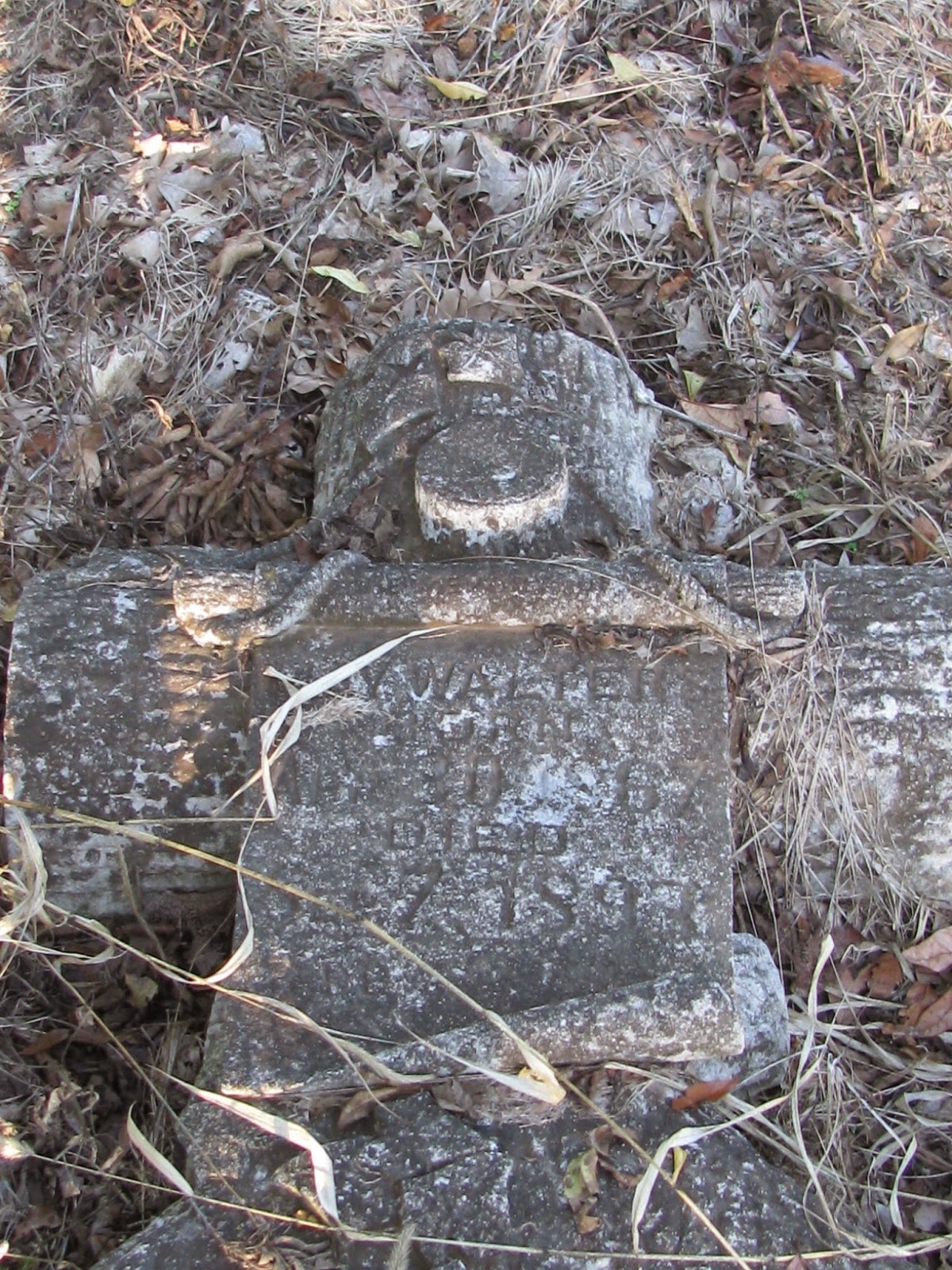 |
| Toppled Stone … |
 Angie
Angie
Johnson has had an interest in cemeteries for years. She founded the Illinois Chapter
of the Association of Gravestone Studies in 2012 and holds semi-annual Cemetery
Crawls around the state as a way to acquaint others with the history and beauty
of local and regional cemeteries.
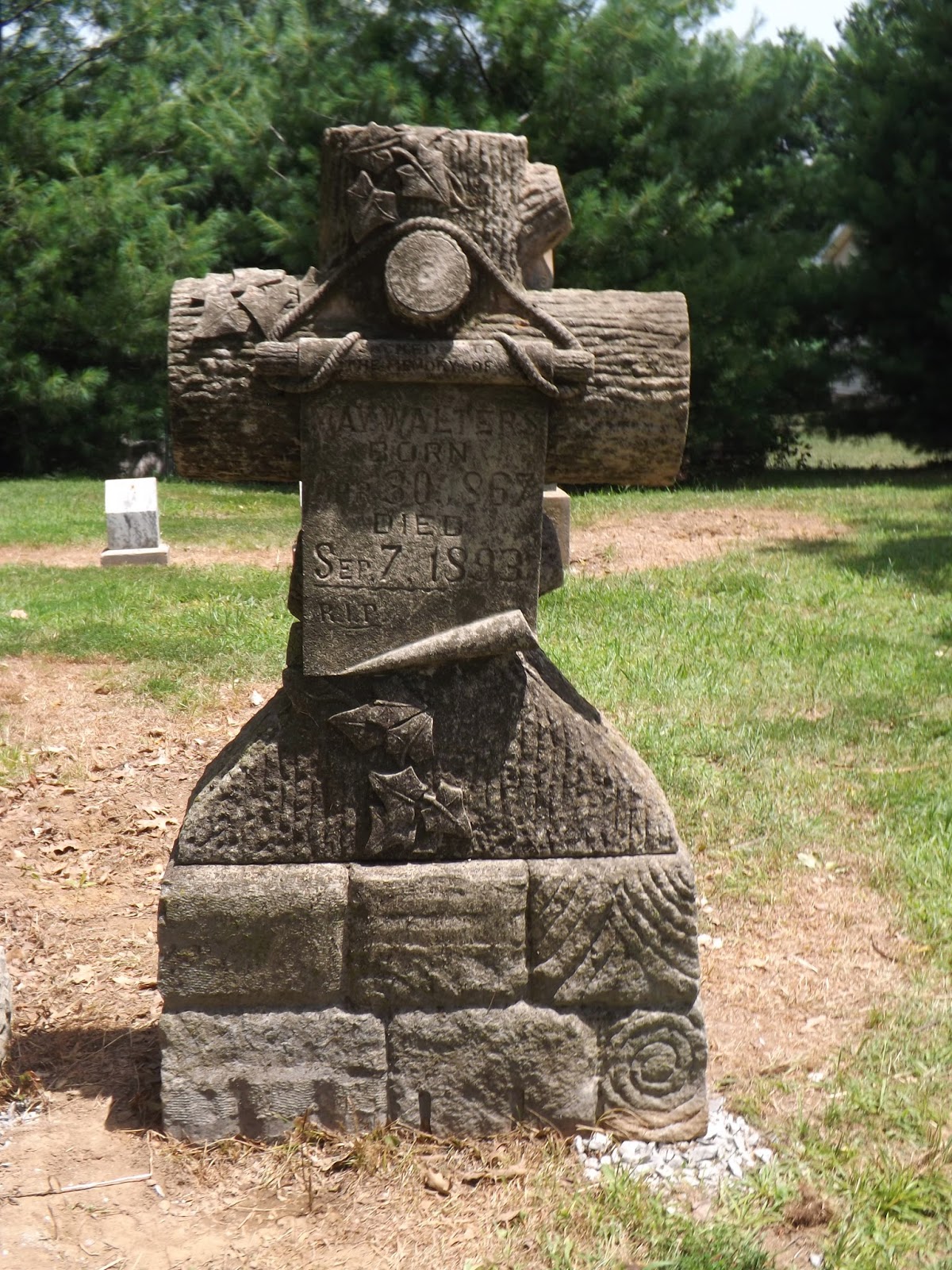 |
| … Restored Stone |
 You
You
can keep up with her restoration activities on her website Walk Among the Dead Girl @ http://www.walkamongthedeadgirl.com or by visiting The Good Samaritans Restoration Facebook page @ https://www.facebook.com/pages/The-Good-Samaritans-Restoration/596631623753086.
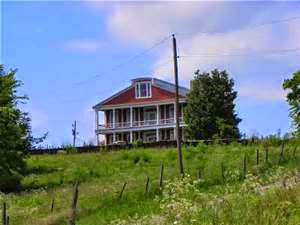 |
| Crenshaw House |
In
2004, the National Park Service declared the Crenshaw House, also known as the
Old Slave House, as a station in the ‘Reverse
Underground Railroad Network to Freedom’ program, thus acknowledging the
sadistic part that John Crenshaw played in condemning free blacks and
indentured servants to lives of slavery.
became the most notorious and the most ruthless in Illinois’ history.
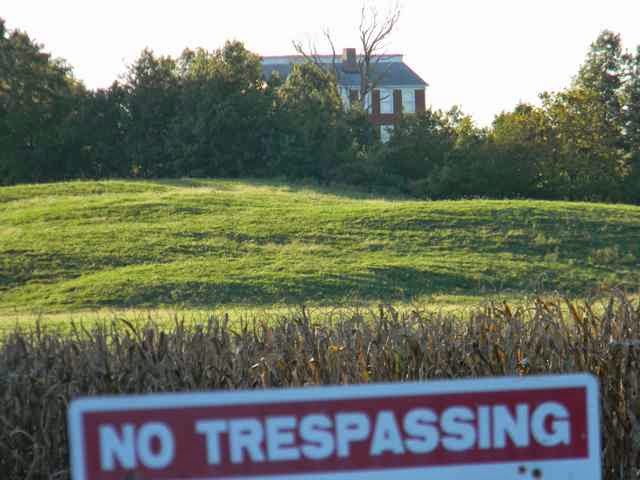 |
| Now Owned by the State of Illinois |
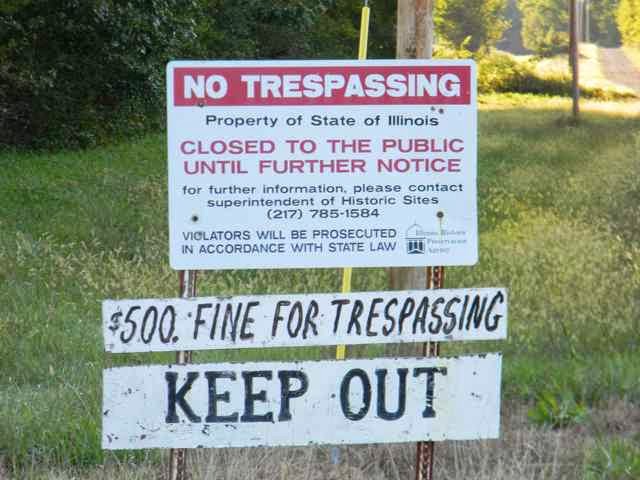 |
| Posted – NO Trespassing |
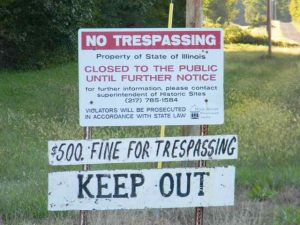
Unfortunately, the state
of Illinois has no plans to reopen the house. That’s a shame since this sad part of the state’s history could make a powerful impact on
visitors, and future generations.
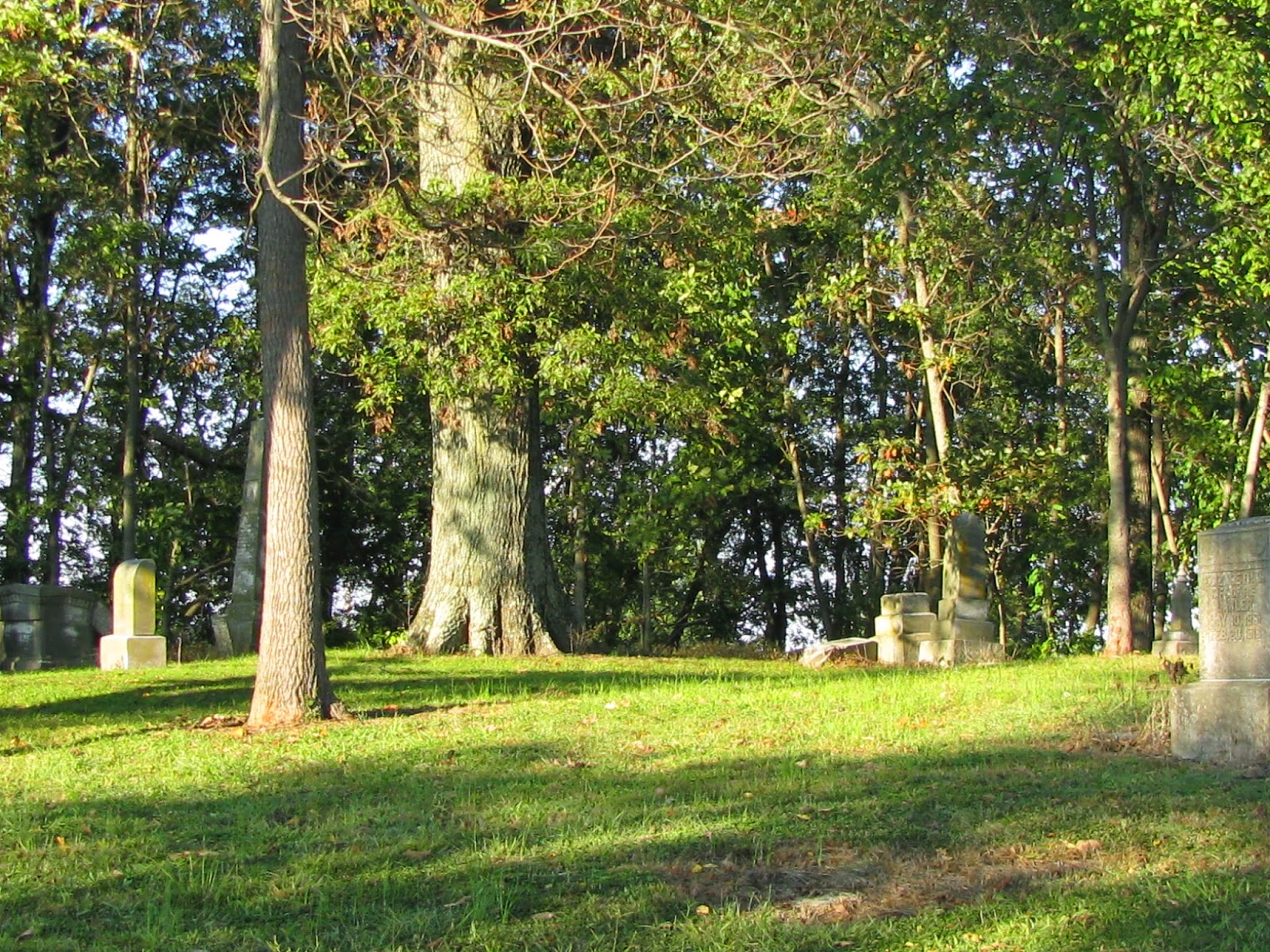 |
| Hickory Hill Cemetery |
It
would be wonderful to see Hickory Hill and Lawler Cemeteries also gain
protection under the National Park Service. Thanks to Angie Johnson and her
team, these cemeteries have been restored and can continue to teach this, and subsequent
generations, some powerful lessons.
Joy