|
| GPS Device |
 A
A
waymark is a location or a specific symbol found at a specified location or
route. Waymarking identifies
specific points of interest. You mark these locations when you visit them by
their GPS coordinates – latitude and longitude, so that others can find
them. On http://www.waymarking.com you then post
the information in the correct category with a description and photo to share
with others on the site.
 |
| WOW Waymarks |
Currently,
Waymarking lists over 408,000 waymarks worldwide. The Waymarking web site has over 1,000 categories
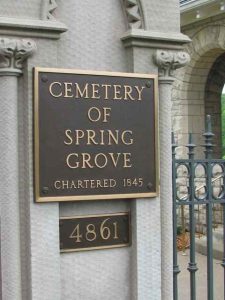
listed. Fifty are in the cemetery
category and include worldwide cemeteries, veteran cemeteries, churchyard
cemeteries, abandoned cemeteries, Woodmen of the World grave markers,
mausoleums and many more.
 |
| Waymarking Groups |
 |
| Out Of Place Cemetery Stone |
Waymarking
also consists of groups. A group
can be formed when 2 or more people volunteer to work together to manage
the category they’ve selected. These group leaders will review the submitted
information; making sure the GPS coordinates and information are correct. There are almost 1,800 groups currently
on Waymarking, of these twenty-four groups exist under the search for
cemeteries.
 |
| Scavenger Hunt Symbol |
You
can even do scavenger hunts with Waymarking. A
scavenger hunt is a personal or shared challenge (game.) Scavenger hunts use a set of
waymarks randomly selected for
you, based on the criteria you enter.
The goal is to visit each waymark, take a photo of yourself at the location,
then log onto http://www.waymarking.com
and post the pictures to get credit for each location visited. Credit consists
of your success being logged on your Waymarking profile. A scavenger hunt can include a simple
search that covers a few miles near you, to over 200,000 square miles. You set the criteria you want to
follow.
 |
| Geocaching Container |
 |
| Geocaching Symbol |
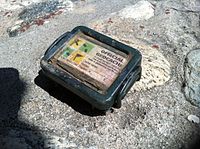
Geocaching
www.geocaching.com/ is
more about the hunt for ‘treasure,’ a physical container located at the given
GPS coordinates. The container usually holds a logbook. The geocacher enters the date the cache
was discovered and signs the book with their code name. Sometimes toys or trinkets are also
included in the cache as a bonus ‘find’.
Geocaching has been described as a “high tech game of hide and seek.”
Geocaching has been an outdoor sport since May3rd, 2000, the date it officially
started. There are over 5 million people who take part worldwide, and over 1.7
million active geocaches currently in existence.
 |
| Letterbox Container |
 |
| Letterbox Symbol |
Geocaching
is very similar to Letterboxing, http://www.letterboxing.org/. Letterboxing can be traced to Dartmoor,
England in 1854 when National Park Guide William Crossing placed a bottle for
visiting cards from hikers and adventurers at Cranmere Pool. Letterboxers carry a personal
journal of their finds, and mark it with the custom ink stamp found in the
letterboxes. Letterboxing is still practiced, having spread from England
throughout the world. Letterboxing began in North American in 1998. There are over 20,000 letterboxes hidden
throughout the country. Clues may
be found at the Letterboxing website.
 |
| FaceBook Groups |
 |
| Cemetery Crosses |
I
personally enjoy scouting cemeteries on my own terms, posting photos and taking part in the cemetery group
discussions on Facebook. But
waymarking, geocaching and letterboxing are also other options available where
you can share your love of cemeteries and photos with fellow tombstone tourists.
~
Joy